Is it actually safe to charge your iPhone at airport USB ports
Can you safely use public USB charging stations at airports? Experts break down the real risks of juice-jacking and device protection.
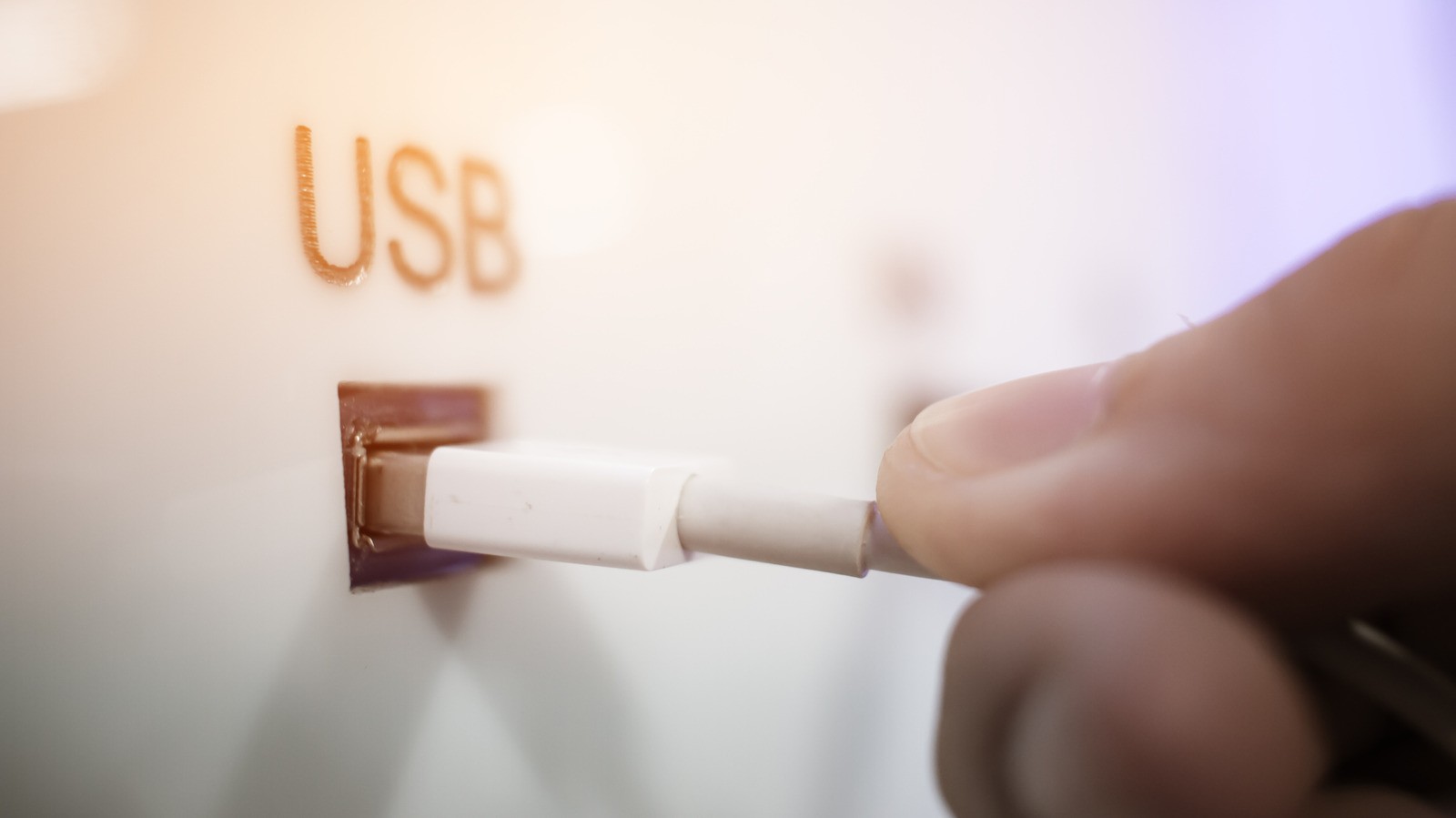
Using a random USB charger can sometimes feel unsafe, even though the actual risk remains minimal. Travelers have several effective ways to protect their devices from potential threats.
- Public USB charging stations carry a theoretical risk of data compromise.
- US government agencies have previously issued warnings regarding port-jacking.
- Security researchers note that the threat is largely overblown.
- No credible reports of widespread successful attacks currently exist.
Understanding the Risks of Public Charging
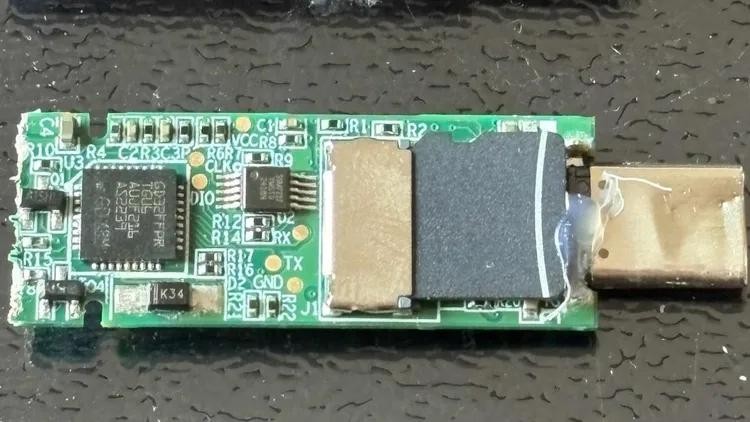
The risk of juice-jacking stems from the USB standard itself, which transmits both power and data along the same cable. Proof-of-concept demonstrations have shown that malicious actors could theoretically tamper with public charging stations to install malware or access data. However, cybersecurity professionals emphasize that while the vulnerability exists in principle, verified attacks in the wild are virtually nonexistent.
Practical Security Measures for Travelers
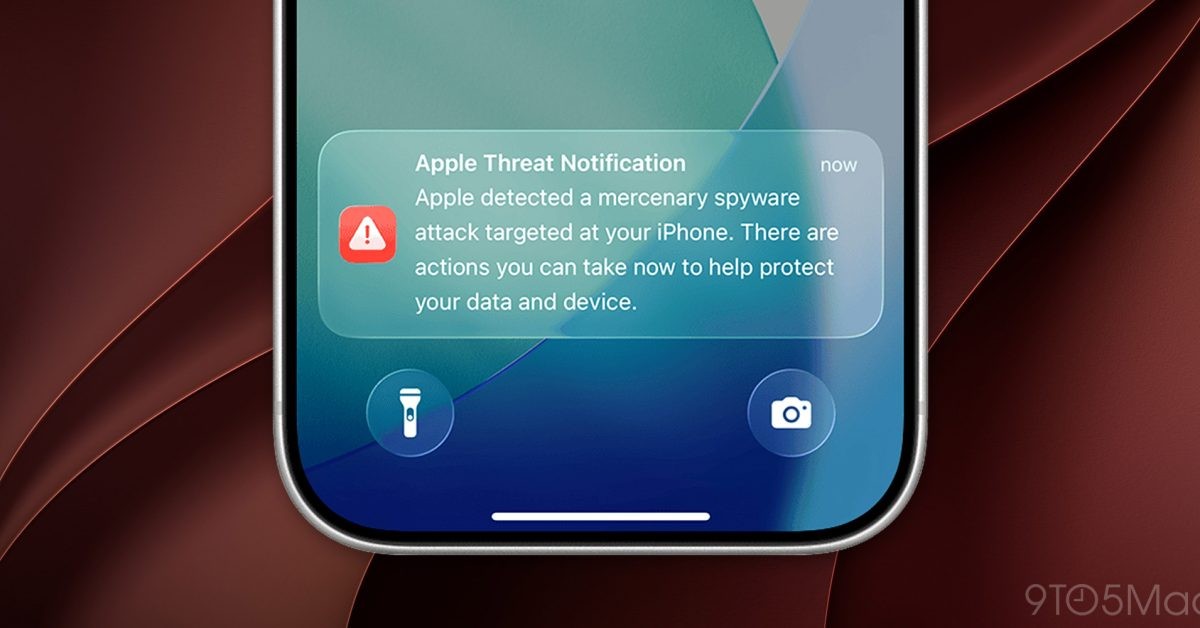
Read alsoGerman lawmakers iPhones may have been targeted by spyware, government warnsOperating system developers continuously harden software against emerging threats. For instance, modern mobile platforms prompt users for permission before establishing a data connection with a new accessory. If you must use an unknown port, declining data access prompts is essential. Carrying an external battery pack or using dedicated data-blocking adapters provides an extra layer of security.
What This Means for Everyday Users
Maintaining standard digital hygiene while traveling is the best defense against potential risks. Avoiding untested charging points when possible and securing your accounts ensures that your personal information remains safe wherever you go.