Kinetica-2 rocket launches 18 SpaceSail satellites for global internet
China successfully launched 18 SpaceSail communication satellites using the Kinetica-2 rocket for broadband internet.
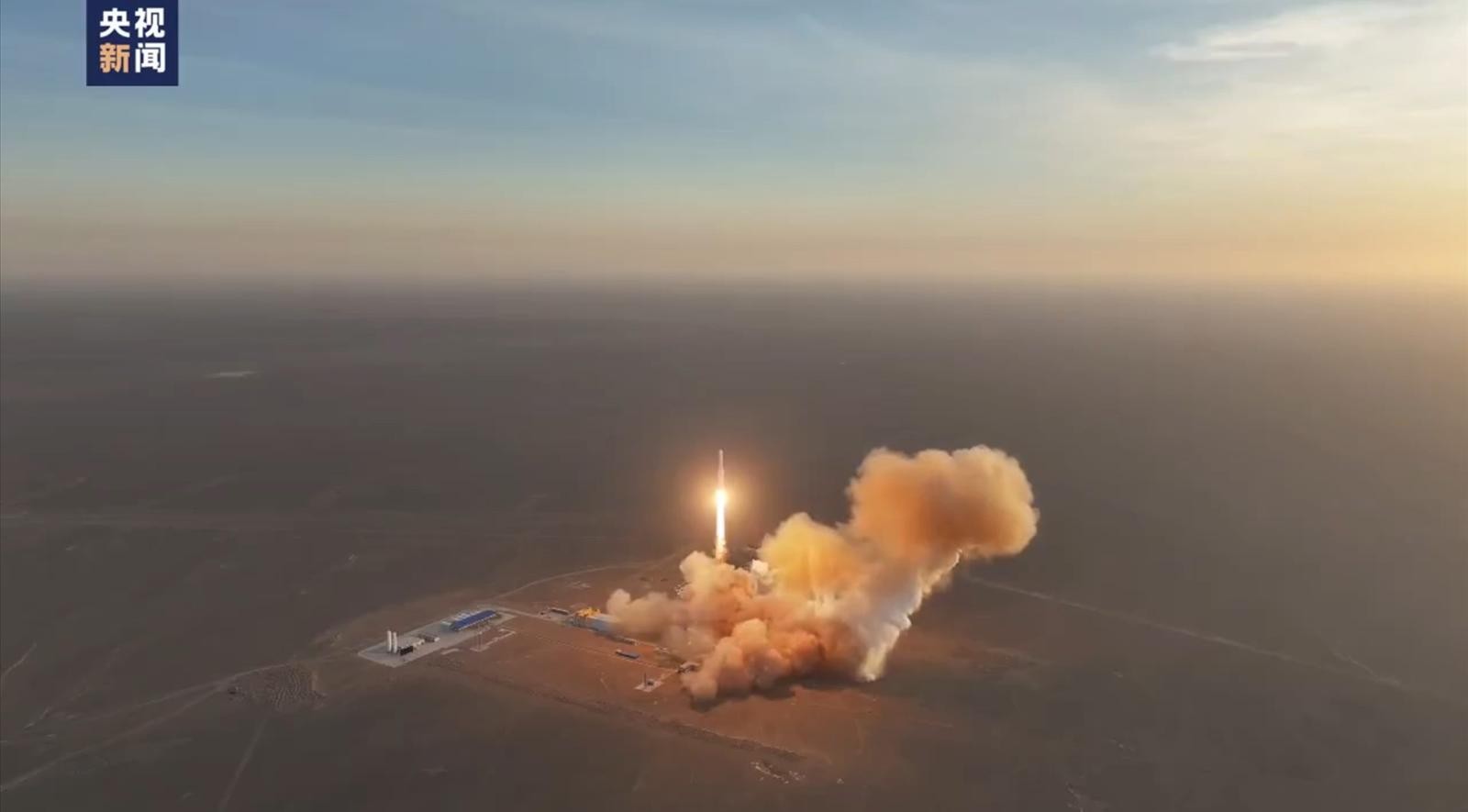
China's CAS Space successfully launched the Lojian-2 (Kinetica-2 Y2) carrier rocket, deploying 18 communication satellites for the Qianfan constellation, also known as SpaceSail. The launch was reported by state media CCTV and Xinhua.
- The launch took place on November 3 at 08:15 Beijing time from the Dongfeng commercial site at the Jiuquan Satellite Launch Center.
- This marked the second flight for Kinetica-2 and its first major mission dedicated to deploying a satellite internet network.
- The SpaceSail project is developed by Shanghai Yuanxin Satellite Technology with support from the Shanghai government.
- The system is designed to offer high-speed broadband and integrate with future 6G communication standards.
Technical Specifications of the Kinetica-2 Rocket
The two-stage Kinetica-2 rocket stands approximately 52 meters tall with a payload fairing diameter of 4.2 meters. Its liftoff thrust exceeds 7,500 kilonewtons, making it a robust vehicle for various orbital missions.
According to the developer, the rocket can deliver up to 12 metric tons of payload to a 200-kilometer low Earth orbit or up to 8 metric tons to a 500-kilometer sun-synchronous orbit. Its maiden flight took place on March 30 carrying a cargo ship prototype.
Read alsoSpaceX may buy Boost Mobile to turn Starlink into a carrierSpaceSail Constellation and 6G Integration
The newly deployed spacecraft belong to the SpaceSail low-Earth orbit constellation tied to the G60 project. Operating across Ku, Q, and V bands, the system aims to provide global users with reliable, low-latency, and high-speed broadband internet.
Beyond current connectivity needs, the constellation's architecture is built with future network standards in mind, paving the way for advanced 6G integrations as communication technology evolves globally.
Reusability and Future Outlook
CAS Space is actively developing cluster rocket recovery technologies to enable frequent reuse of rocket components. This innovation is expected to significantly reduce launch costs for future commercial missions.
The successful deployment of these 18 satellites strengthens China's position in the commercial space race, offering a viable alternative to existing global satellite internet constellations.
Source: iXBT.com