Sodium-ion batteries get tax exemptions in China until 2028
China has exempted sodium-ion batteries and fuel cells from taxes until the end of 2028 while increasing levies on lithium-ion batteries.
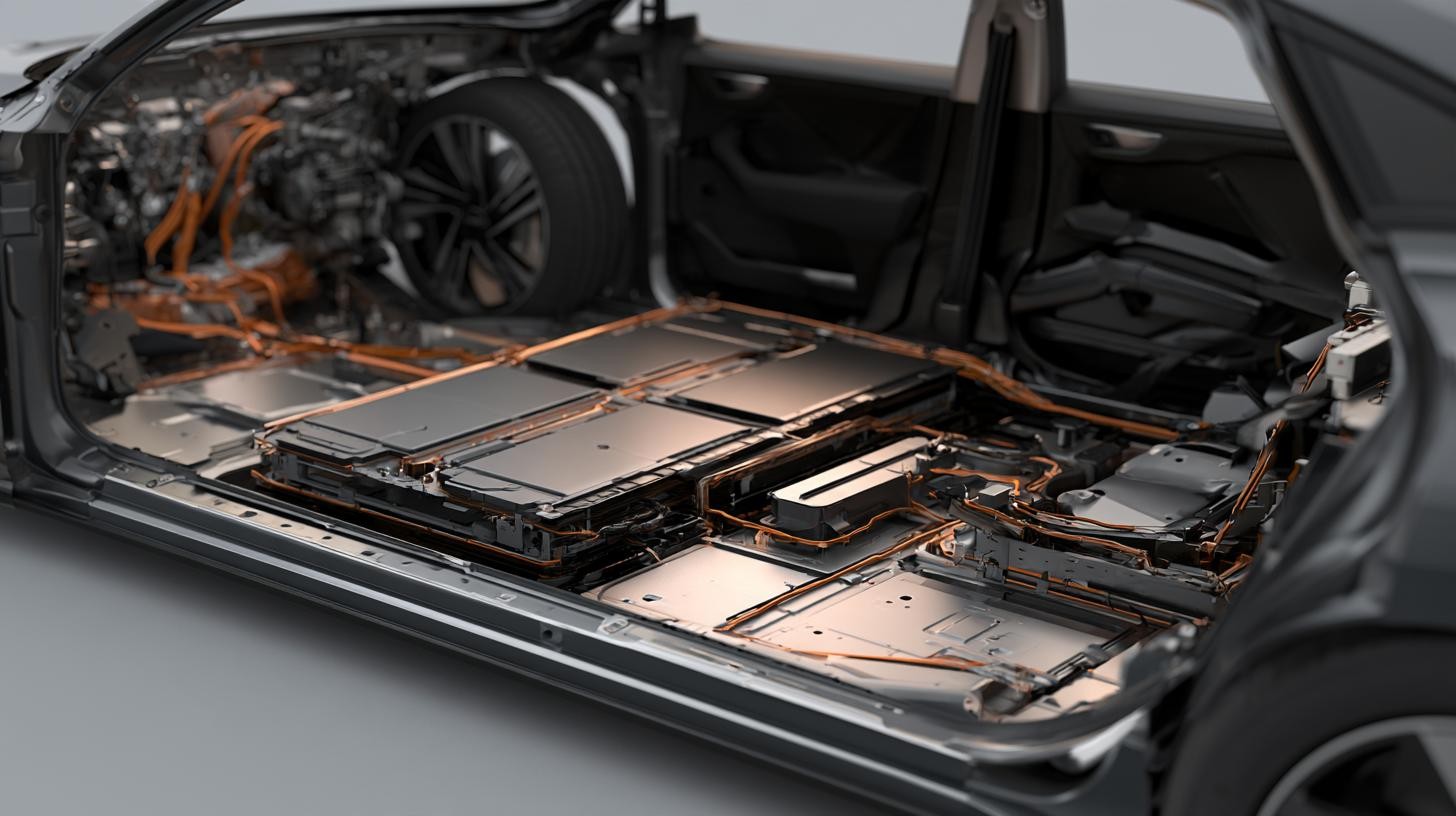
China has introduced new state support measures for innovative energy storage technologies to stimulate the alternative battery market. Under the new regulations, sodium-ion batteries, solid-state batteries, and fuel cells are fully exempt from consumption tax until December 31, 2028, provided they meet national standards.
Sodium-ion batteries and fuel cells are exempt from tax until the end of 2028 in China: - Introduction of a consumption tax for certain lithium-ion batteries: 2% starting September 2026 and 4% from September 2027. - Exemption of sodium-ion, solid-state batteries, and fuel cells from taxes until the end of 2028. - HiNa Battery's plans to build a 10 GWh plant in Wuhan with production starting by the end of 2027. - Successful winter tests of HiNa 339 kWh batteries on FAW Jiefang heavy trucks at −40 °C, retaining over 90% of available capacity.
Changes in the tax burden on the battery market China's new tax policy demonstrates the state's intention to redirect financial flows toward advanced energy storage technologies. Alongside providing preferences for sodium-ion systems, authorities are introducing a fiscal burden on traditional lithium-ion counterparts. Starting September 1, 2026, a 2% consumption tax will apply to certain categories of lithium-ion batteries, and by September 2027, the rate will rise to 4%. Such measures are being implemented against the backdrop of a general decline in market prices for raw materials used in lithium batteries. As of October 28, the cost of one ton of battery-grade lithium carbonate was about 97,000 yuan, while the average price of square LFP cells for electric vehicles was 0.41 yuan per Wh.
Production expansion and HiNa Battery projects Major market players are actively using government support to scale their developments. HiNa Battery has signed an agreement with the administration of the Jiangxia district in Wuhan to construct a large-scale enterprise. The total projected capacity of the new plant will reach 10 GWh per year, with the first stage planning to launch 3 GWh production lines. Construction work at the facility is scheduled to begin in early 2027, with the release of finished products expected by the end of the same year. In addition, HiNa and Chengli Special Automobile Group will jointly develop commercial electric vehicles, including electric garbage trucks, food waste collection vehicles, and hooklift trucks.
Cold resistance advantages and implementation prospects A key technological advantage of sodium-ion technology is its high resistance to extremely low temperatures. According to FAW Jiefang, a 339 kWh HiNa battery installed on an electric heavy truck retained more than 90% of its available capacity at a severe temperature of −40 °C. Partners plan to submit the first applications for the certification of chassis for joint commercial models based on these batteries in early 2027. Following the certification procedures, they intend to begin testing prototypes and arrange demonstration deliveries directly in Wuhan.
Significance for the global tech industry For the global automotive and technology industries, these changes mean an accelerated transition of commercial transport to cheaper and safer types of batteries. Reducing dependence on lithium and the high frost resistance of sodium-ion solutions open up new prospects for logistics in regions with harsh climates, lowering the total cost of ownership for electric trucks and specialized equipment.
Source: iXBT.com