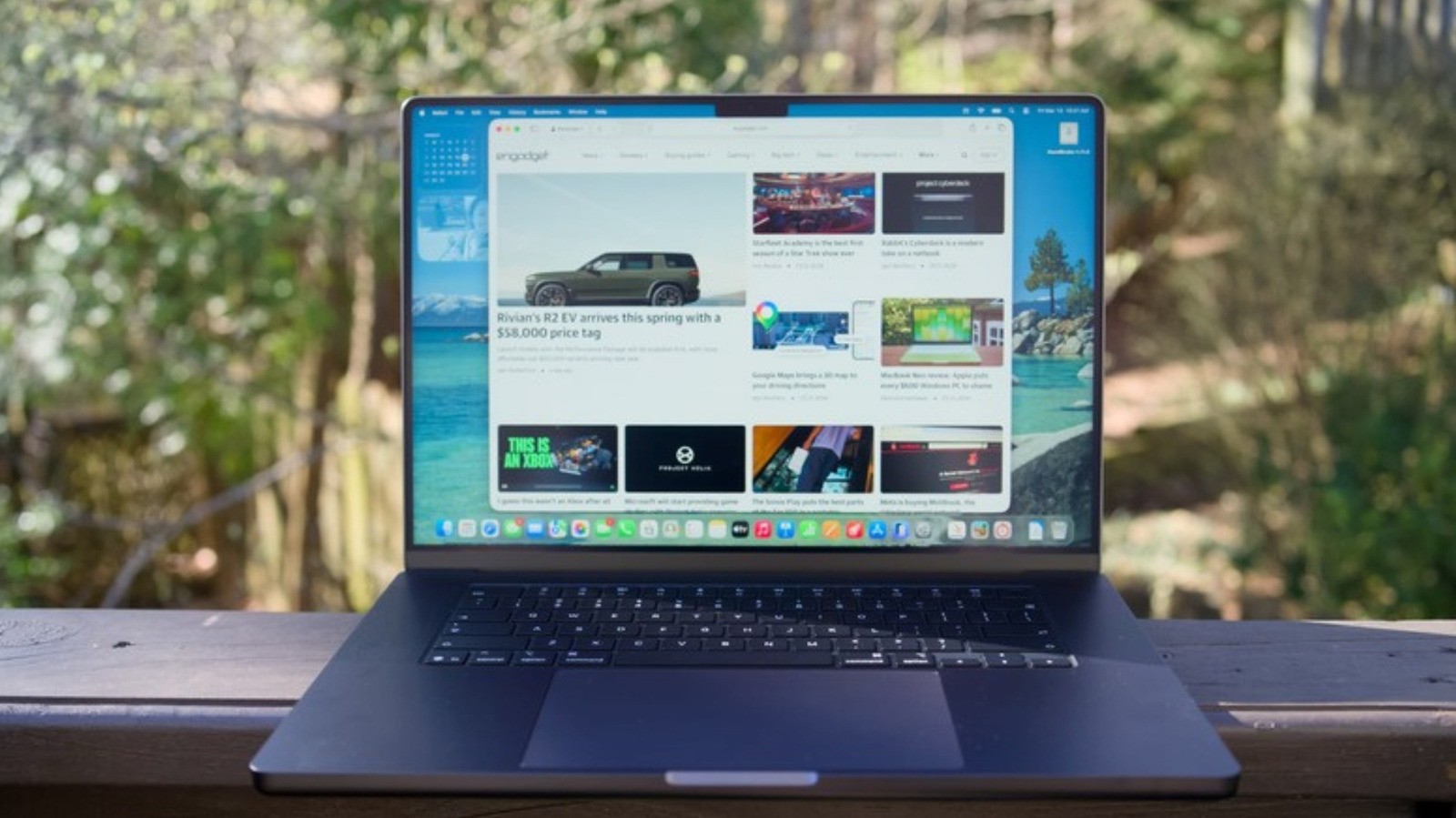
Fifteen years of technological advancement have completely transformed laptop capabilities. While the 2011 model managed a respectable seven hours of battery life, modern machines deliver unprecedented endurance through sheer hardware efficiency.
- Comparing the 2011 Intel-based MacBook Pro with the modern M5 Max-powered 16-inch model.
- Battery capacity grew by only 30 percent, yet runtime increased more than fourfold.
- Physical battery size remains constrained by strict FAA lithium-ion limits for air travel.
- Included charging power jumped from 85W to 140W, enabling dramatically faster energy replenishment.
Physical constraints and battery capacity growth
Back in 2011, the 15-inch MacBook Pro featured a 77.5 watt-hour battery, sitting well below the FAA's 100 watt-hour flight limit. At the same time, the laptop was considerably bulkier, weighing 5.6 pounds and measuring nearly an inch thick. The modern M5 Max configuration steps up to a 99.6 watt-hour battery, pushing right against the legal threshold for commercial flights without requiring special airline approval.
Apple managed to fit this larger power source into a chassis that is roughly 16 percent lighter and 31 percent thinner. The new machine measures 0.66 inches thick while dropping weight to 4.7 pounds. Unless regulatory limits change, squeezing extra uptime out of portable devices relies almost entirely on component efficiency rather than larger physical cells.
Hardware efficiency and power draw reduction
The secret behind the massive jump in battery longevity is not a giant battery, but remarkable silicon efficiency. Apple used a similar methodology for testing both generations, measuring web browsing over Wi-Fi under controlled conditions. Calculations indicate that the 2011 model drew an average of about 11 watts, whereas the current M5 Max system consumes roughly 6.2 watts during comparable tasks.
Independent rundown tests show an even steeper drop in power draw over the 15-year span. Advanced semiconductor manufacturing nodes and deeply integrated power management allow modern processors to idle and execute workloads with minimal energy waste. This efficiency ensures that professional workloads no longer instantly drain the internal power reserve.
Charging speeds and the modern user experience
In-box power accessories have also undergone a massive upgrade, shifting from the classic 85W MagSafe adapter to a 140W USB-C fast charger. Apple states this adapter can restore half the battery capacity in roughly 30 minutes. That quick top-up provides around eight hours of web browsing, which actually exceeds the total battery life of the entire 2011 notebook on a full charge.
Meanwhile, the older 2011 hardware has reached its software obsolescence limit, unable to run modern macOS versions released years ago. The current MacBook Pro lineup offers not just extreme battery endurance, but a comprehensive leap in processing power designed for demanding modern workflows.
Source: Engadget - Technology News & Expert Reviews