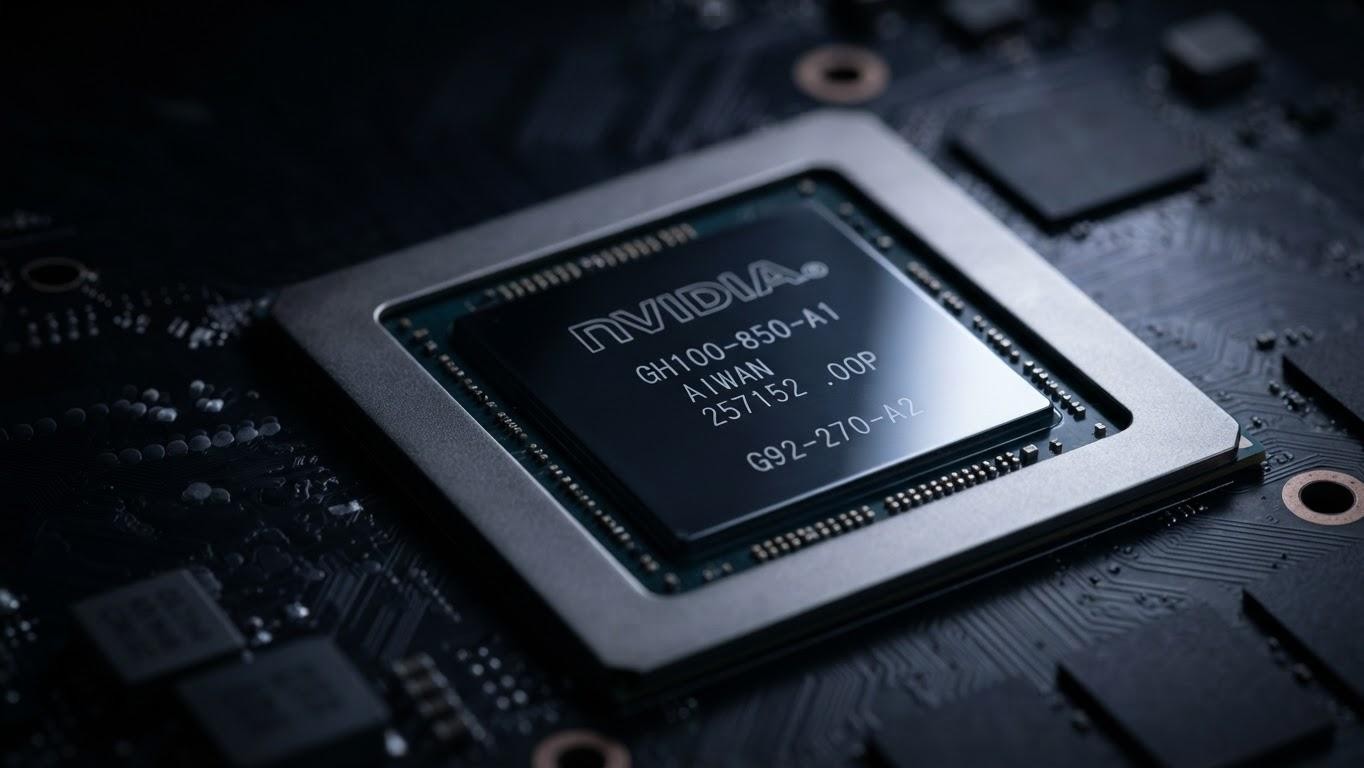
Macronix cuts Nintendo cartridge chip output to prioritize AI memory
Taiwan's Macronix is phasing out ROM production for Nintendo Switch cartridges to focus on profitable AI memory chips.
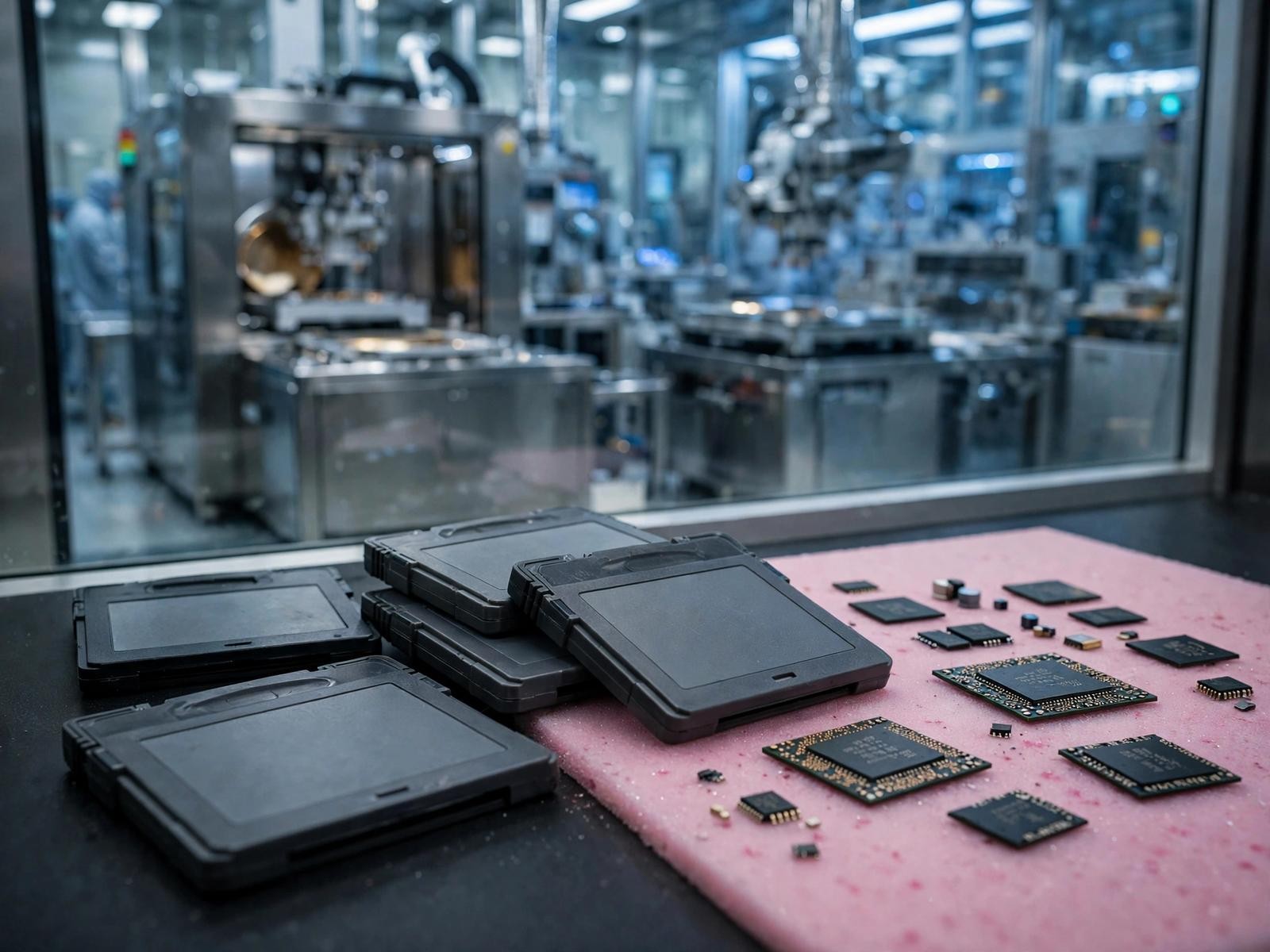
Taiwanese company Macronix, one of the primary suppliers of memory chips for physical Nintendo Switch and Switch 2 game cartridges, has announced a gradual withdrawal from the gaming market. In its third-quarter report, the manufacturer stated that ROM production has practically come to an end due to soaring demand for alternative memory types.
Qisqacha: - Macronix is phasing out ROM chips for Nintendo game cartridges. - Production dropped by 39%, with its business share shrinking to just 5%. - Capacity is being shifted to more profitable NOR, NAND, and eMMC memory for AI. - Nintendo must now seek alternative suppliers such as Rohm and Lapis Semiconductor.
Shifting focus toward artificial intelligence
The primary driver behind this strategic pivot is the rapidly growing demand for specialized memory types that generate higher profit margins for the manufacturer. Over the past year, Macronix's ROM chip production plummeted by 39 percent, reducing its share in the company's overall business to a mere 5 percent.
The freed-up manufacturing capacity is being repurposed to build in-demand NOR and NAND chips, alongside eMMC memory used across various electronic devices and AI applications. Given that Macronix's capacity is limited to 25,000 silicon wafers per month and a $1.2 billion expansion would take at least a year, prioritizing high-yield products was a necessary business choice.
Read alsoKing Slide controls up to 90 percent of AI server rail marketImpact on Nintendo and physical game cartridges
For Nintendo, this transition creates an urgent need to source alternative suppliers for physical cartridge memory components. Analyst David Gibson noted that Macronix served as the primary manufacturer for these gaming media chips, while Ars Technica points to Rohm and Lapis Semiconductor as remaining industry alternatives.
However, Macronix stepping away from ROM manufacturing does not mean Nintendo intends to abandon physical game formats entirely. The company stated last month that it has no plans to phase out cartridges in the near future, though a shrinking supplier base could drive up production costs and retail prices for physical games.
The growth of digital sales as a counterweight
At the same time, digital sales continue to expand within Nintendo's overall business model. During the second calendar quarter of 2026, digital purchases accounted for 61.5 percent of total software sales revenue.
If this consumer trend persists over time, the gradual decline in demand for physical cartridges could eventually help offset the rising manufacturing expenses associated with traditional game media.
Source: iXBT.com