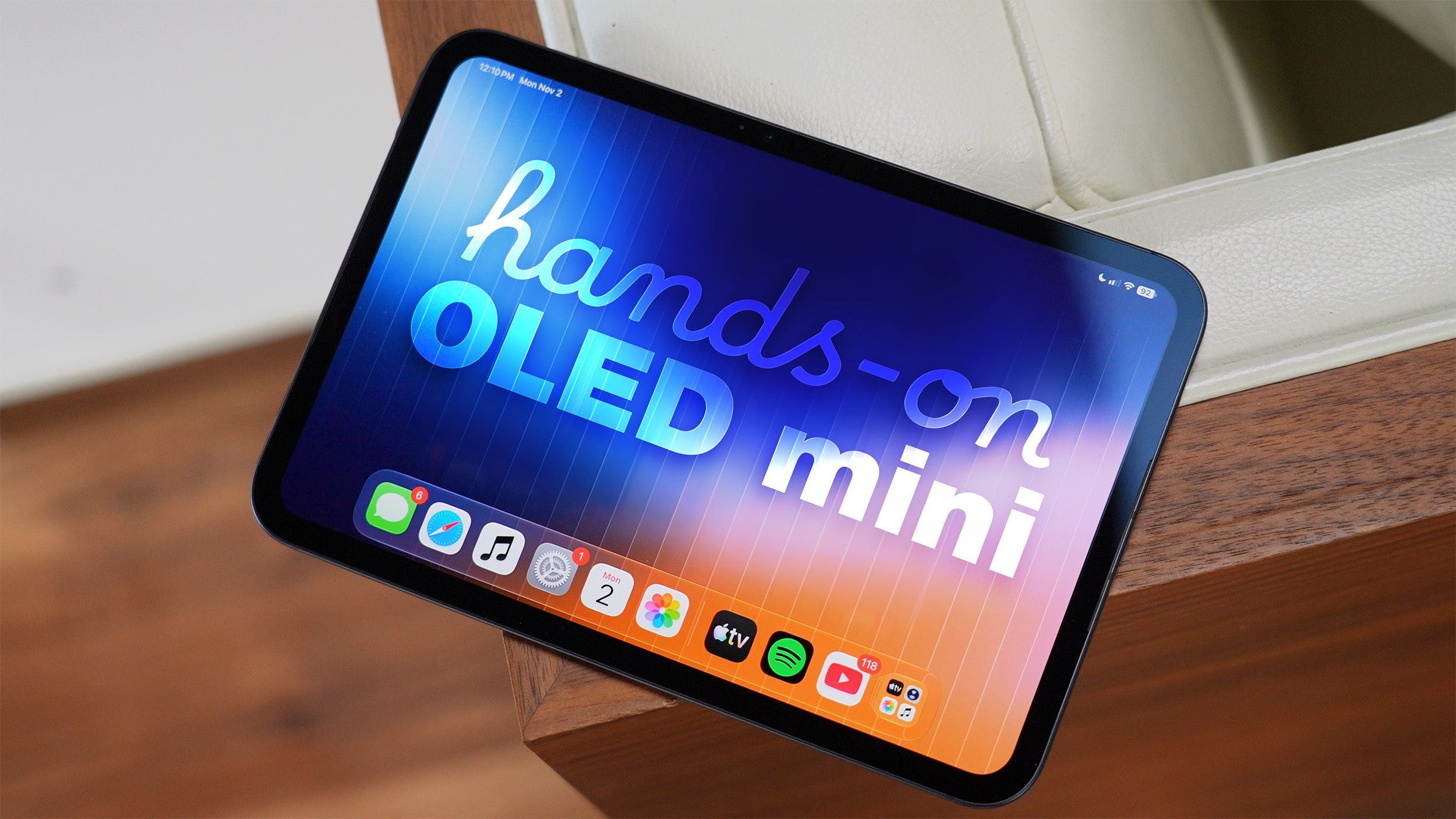
New iPad mini hands-on: OLED display, A20 Pro chip and design
Apple announces the new iPad mini featuring a thinner design, larger OLED display, A20 Pro chip, IP67 water resistance, and nano-texture glass.
·3 min read
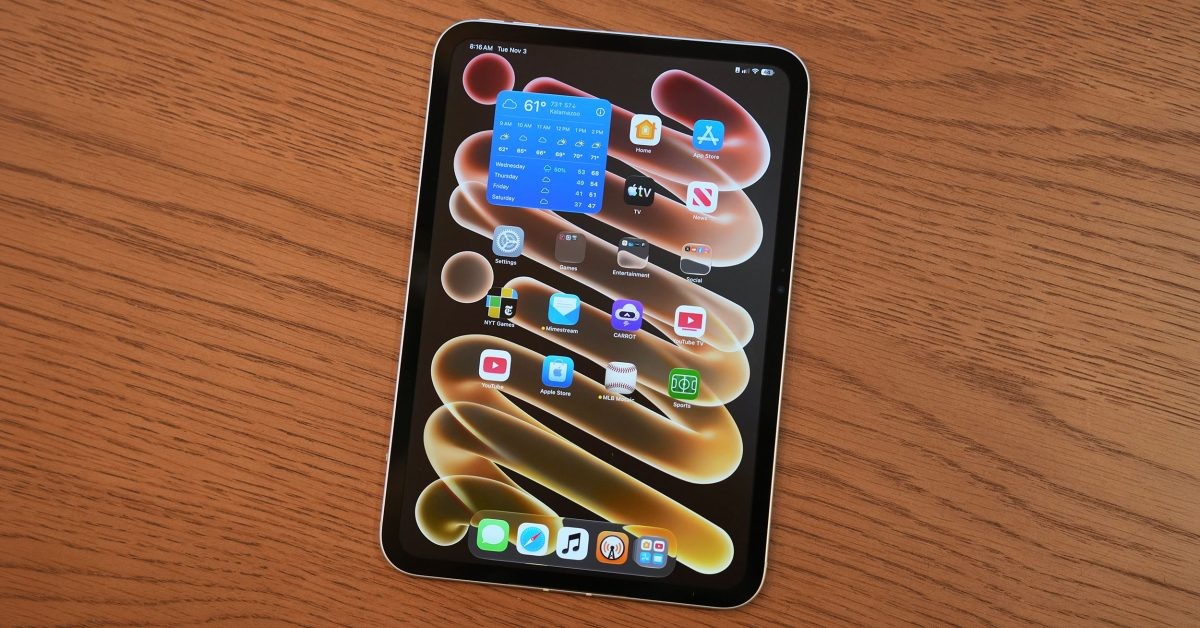
Apple has given its smallest tablet its biggest update in years, introducing a much thinner design, a larger OLED screen, and the powerful A20 Pro chip. The refreshed device combines extreme portability with high-end features.
- Key highlights of the new iPad mini: thickness reduced to 5.4mm, weight dropped to 255 grams, and screen size increased to 8.5 inches via slimmer bezels.
- For the first time, a non-Pro iPad features an OLED display supporting up to 1200 nits of peak HDR brightness.
- The device runs on the A20 Pro processor, introduces Acoustic Display audio technology, and carries an official IP67 water and dust resistance rating.
- Users can optionally upgrade to a nano-texture glass display for an extra $100 to reduce glare in diverse lighting conditions.
Refreshed Design and Ultimate Portability The new iPad mini lives up to its name by becoming significantly thinner and lighter than its predecessor. The chassis thickness has dropped from 6.3mm to 5.4mm, while weight decreases from 293 grams to 255 grams, making the device feel exceptionally premium and well-balanced in the hand. These physical improvements were made possible by shrinking the display bezels by 24 percent. This allowed Apple to increase the screen size from 8.3 inches to 8.5 inches without enlarging the overall footprint. The device now shares a design language closer to a scaled-down iPad Pro rather than a base model or iPad Air.
OLED Display Upgrades and the ProMotion Debate The most anticipated display upgrade is the switch to OLED technology, bringing richer colors, deeper blacks, and improved contrast. The panel delivers up to 600 nits of SDR brightness and peaks at 1200 nits for HDR content. Additionally, buyers can choose a nano-texture glass finish for an extra cost, which effectively minimizes reflections and glare. However, a point of frustration for enthusiasts is the continued absence of ProMotion, keeping the refresh rate locked at 60Hz. While pixel response times are faster and scrolling appears smoother than on older LCD models, the lack of a 120Hz refresh rate feels like a missed opportunity on a device of this caliber, especially following similar upgrades in base iPhone models.
Acoustic Display Audio and IP67 Water Resistance A notable engineering change is the introduction of Acoustic Display technology. Instead of traditional speaker grilles, Apple uses custom woofers to vibrate the display itself for low and midrange frequencies, hiding tweeters beneath the glass. The result is a surprisingly loud and clear audio setup that may act as a testbed for future mobile hardware. Eliminating speaker grilles also allowed Apple to implement an IP67 water and dust resistance rating for the first time on an iPad, allowing immersion in up to 1 meter of freshwater for 30 minutes. Combined with its book-like size, these updates make the new iPad mini an exceptional portable reading and media device.
A20 Pro Performance and Market Significance Performance is driven by the Apple A20 Pro chip, ensuring ample headroom for multitasking and future AI capabilities. Interestingly, the 128GB and 256GB configurations feature a five-core CPU, while the 512GB model steps up to a six-core CPU and dual Neural Engine, though all versions share the same seven-core GPU. Buyers are advised to choose storage capacity based on their needs rather than hunting for extra processor cores. For tech enthusiasts and professionals looking for maximum portability without compromising on performance, the new iPad mini sets a high benchmark. Its combination of an OLED screen, powerful silicon, and water resistance makes it a compelling option for everyday use across global markets.
Source: 9to5Mac