Nuclear reactor construction hits peak since 1986 driven by AI boom
The world is building 79 nuclear reactors amid the AI boom and soaring data center energy demand. What is happening in global energy?
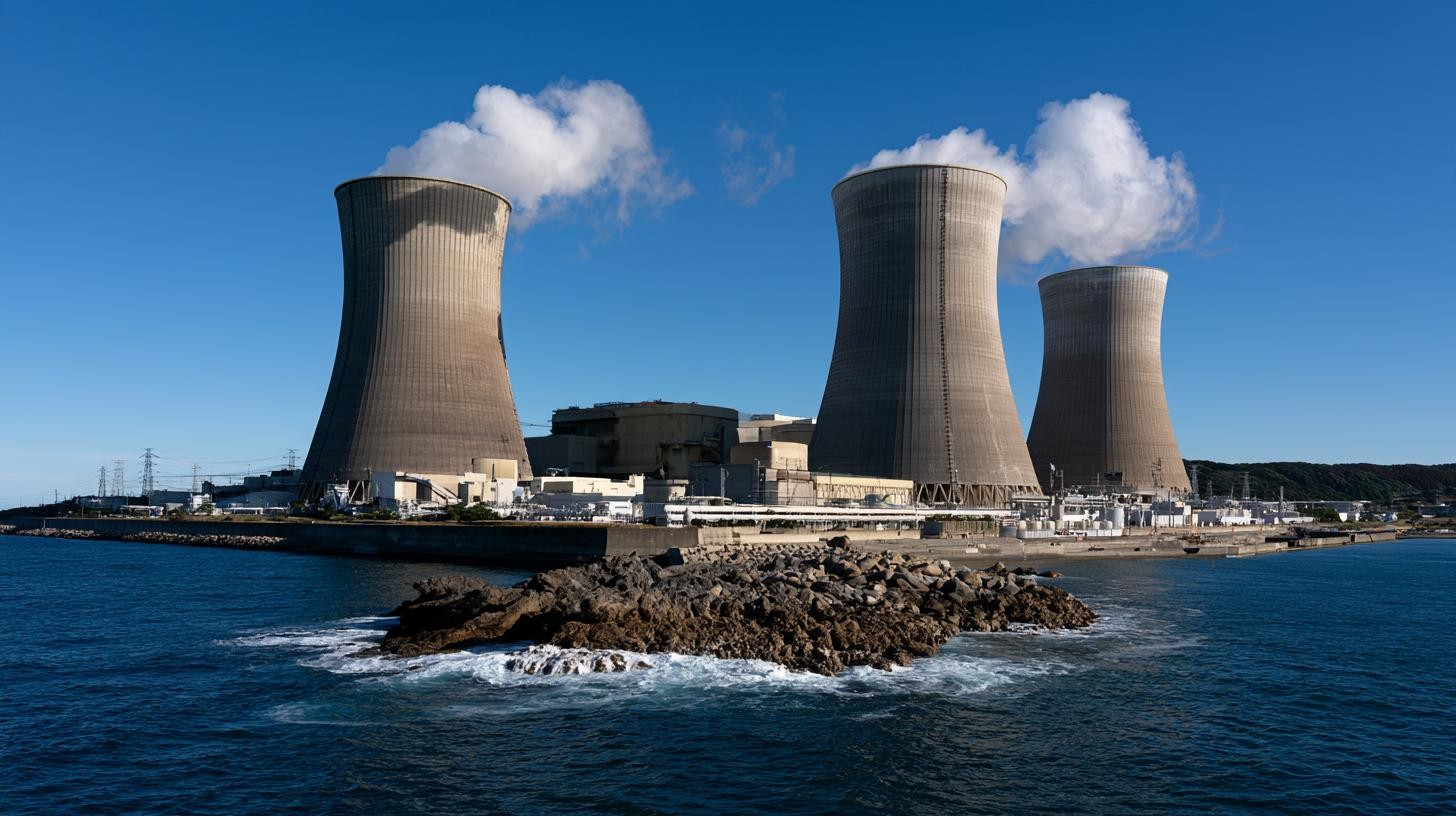
According to the World Nuclear Association, 79 nuclear reactors were under construction worldwide as of October 16, 2026, marking the highest figure since 1986. Experts attribute this powerful nuclear energy renaissance to the global transition and the rapid development of artificial intelligence. Modern technology requires massive amounts of reliable electricity that renewable sources cannot always consistently provide.
- As of October 16, 2026, there are 79 nuclear reactors under construction globally — a record since 1986.
- Data center power consumption will grow from 485 TWh in 2025 to 950 TWh by 2030.
- China remains the leader in construction with 38 out of 79 reactors.
- Long-term contract uranium prices reached $97 per pound, an 18-year high.
Artificial Intelligence Impact on Energy Markets
The primary driver behind this unprecedented interest in nuclear energy is the explosive growth of electricity consumption by data centers. Modern data centers supporting massive language models and AI computing clusters require huge amounts of power around the clock. According to the International Energy Agency, global data center energy consumption will almost double from 485 TWh in 2025 to 950 TWh by 2030.
Against this background, small modular reactors are being actively considered as a way to potentially reduce construction time and costs. In the United States, a strategic partnership with Westinghouse, Brookfield, and Cameco was announced in October 2025, providing at least $80 billion in financial support for new nuclear power plant construction.
Read alsoKandinsky Avatar: Sber releases neural network models for freeConstruction Scale and Key Global Players
China remains the undisputed leader in nuclear construction, accounting for 38 of the 79 active reactors. India follows with 8 power units, Russia with 7, and South Korea with 4. In terms of planned projects, China is also ahead with 42 reactors, compared to 23 in Russia and 14 in India, showing widespread commitment to expanding atomic capacities.
Fluctuations in fossil fuel prices caused by geopolitical conflicts have provided an additional incentive for nuclear generation. Simultaneously, uranium prices have surged, reaching $97 per pound under long-term contracts by the end of September, marking an 18-year high. This reflects intense competition for resource bases among developing nuclear nations.
Changing European Energy Policies
European countries that previously planned to completely phase out nuclear power are also revising their strategies. Italy has authorized the construction of new nuclear plants for the first time in 40 years, while Sweden and Belgium have abandoned their previous phase-out plans. France is currently considering the construction of up to 14 new reactors.
Since the beginning of the year, 11 new reactors have commenced construction, and another 201 projects are in the planning stage slated for commissioning over the next 15 years. Taking into account the 443 operational power units, the total number of reactors could exceed 600 by 2040.
Significance for the Tech Industry
The large-scale return to nuclear energy is fundamentally crucial for the stability of the global IT market and the AI industry. Without reliable, stable, and clean baseline generation sources, further expansion of data centers becomes restricted by power grid limitations. Securing direct atomic energy partnerships has become a strategic priority for technology companies.
Source: iXBT.com