Nudify apps discovered hiding inside App Store and Google Play
Researchers uncovered a network of over 400 stealthy nudify and deepfake generator apps masquerading as harmless tools on official app stores.
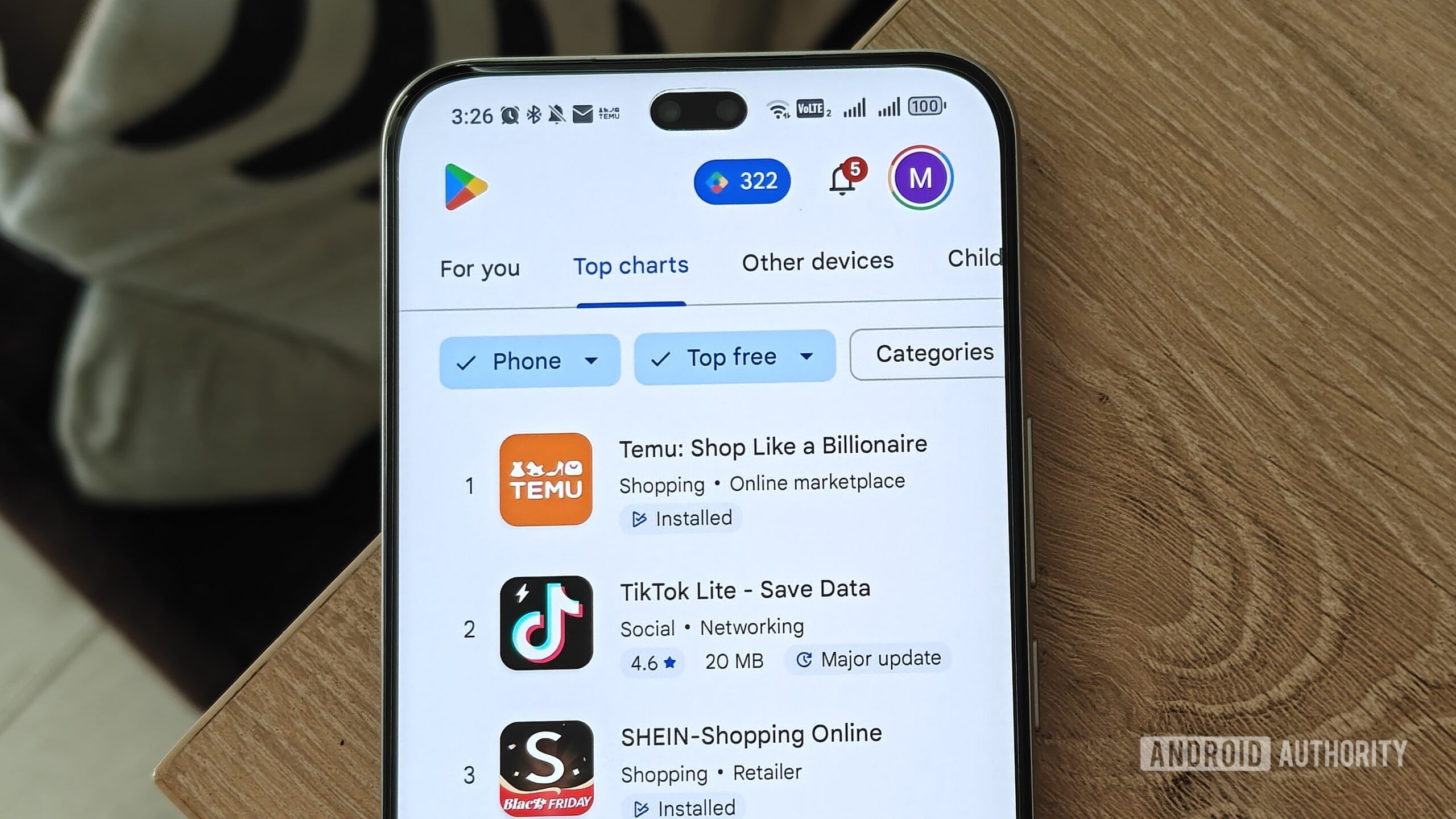
Security researchers have uncovered a widespread network of over 400 nudify apps and websites available on both the Apple App Store and Google Play Store. These applications cleverly masquerade as innocent, everyday tools before revealing a hidden deepfake interface only after installation.
- Over 400 hidden nudify apps and websites found on Apple and Google stores.
- Apps disguise themselves as language tutors, pet photo editors, and workout coaches.
- Traced back to Chinese developers and Hong Kong-based KeLing Technology Limited.
- Previous iterations generated massive downloads and $122 million in revenue.
How the stealthy deepfake interface operates
According to investigation reports, the malicious apps present a completely standard and safe user interface upon download, leaving victims with zero suspicion. Behind the scenes, however, the software pings a remote server to determine whether the hidden deepfake generator should be unlocked. One of the primary triggers appears to be downloading the app directly through explicit promotional ads hosted on third-party platforms like Meta.
The operators behind this malicious network were traced back to Chinese developers and a Hong Kong-registered entity known as KeLing Technology Limited. Following inquiries from investigators and journalists, the company attempted to scrub all public connections linking it to the offending software. Despite these efforts, the situation highlights ongoing vulnerabilities in app store review processes.
Read alsoApp Store and Google Play allowed hundreds of hidden deepfake appsResponse from tech giants and industry impact
In a formal statement addressing the issue, Apple placed the blame squarely on the developers, stating that every app undergoes strict reviews prior to publication. Apple claimed the apps complied with guidelines during initial approval, but developers subsequently altered the backend content sources and promoted the software using inappropriate third-party ads.
Both Apple and Google have reportedly removed a substantial number of these violating applications from their respective marketplaces. Nevertheless, security experts warn that the persistent emergence of such harmful tools remains a deeply troubling issue for digital safety, consumer privacy, and app store moderation teams worldwide.
Source: Android Authority