Nvidia RTX Spark Mini PCs: Specs, Prices, and Local LLM Performance
Nvidia RTX Spark mini PCs with Grace CPUs and Blackwell GPUs are now available for local LLM workloads, starting at high price points.
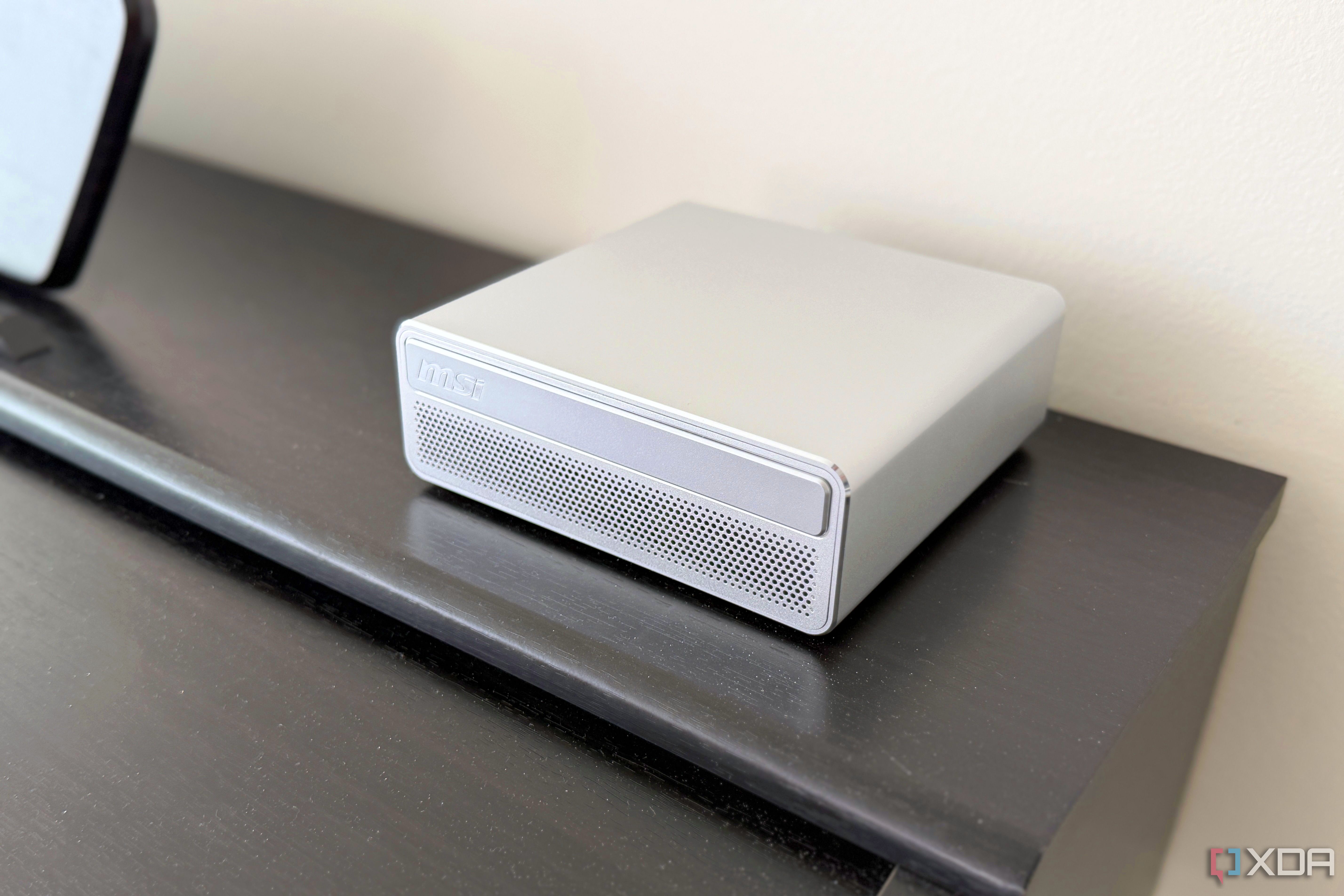
Nvidia has officially launched its RTX Spark mini PC platform, bringing high-performance local AI and LLM workloads directly to Windows desktop environments. Starting November 18, hardware partners including Asus, Dell, and MSI are rolling out their devices, with additional versions from Acer, Gigabyte, HP, and Microsoft slated for release soon.
- Nvidia RTX Spark mini PCs officially launched on November 18 from multiple hardware partners.
- Powered by a 20-core Nvidia Grace CPU and a Blackwell RTX GPU featuring 6,144 CUDA cores.
- Top-tier configurations like the MSI EdgeMesa N AI+ feature 128GB of unified memory and retail for $8,000.
Hardware Specs and Thermal Performance
The desktop variants of the RTX Spark platform leverage the same powerful architecture seen in laptops, featuring a 20-core Nvidia Grace CPU and a Blackwell RTX graphics chip with 6,144 CUDA cores. Thanks to the robust cooling solutions inside the mini PC form factor, the chips can maintain full TDP operation without thermal throttling. With up to 128GB of unified memory, these systems provide a compelling local workspace for developers who prefer Windows for AI deployment.
While not designed as dedicated gaming rigs, these mini PCs handle Windows games smoothly, including titles requiring strict anti-cheat software. The internal layout is dominated by massive heatsinks, resulting in virtually silent operation and low temperatures under heavy loads. Benchmarks indicate that RTX Spark outperforms AMD's Strix Halo solutions by a significant margin, making it highly efficient for rendering and AI tasks.
Read alsoNvidia faces SEC accounting probe amid historic stock market routPricing and Connectivity Trade-offs
Pricing varies significantly by manufacturer and specifications. The reviewed MSI EdgeMesa N AI+ with 128GB of RAM and a 4TB Gen5 SSD carries a hefty price tag of $8,000, while the Microsoft Surface RTX Spark Dev Box costs $6,000 with 128GB of RAM and a 2TB SSD. Reviewers noted minor hardware limitations, such as USB-C ports capped at 20 Gbps rather than 40 Gbps USB4, the absence of front-facing ports, and a lack of the high-speed ConnectX-7 networking ports found on Linux-based DGX Spark boxes.
What This Means for Local AI Workflows
The introduction of RTX Spark mini PCs allows developers and creatives to run advanced local AI stacks and autonomous agents completely offline within a Windows ecosystem. This setup enhances data privacy and enables uninterrupted overnight processing for long-tail research tasks. For professionals and tech enthusiasts seeking robust on-premise computing power, these devices offer a viable alternative to cloud-based solutions.
Source: XDA