OLED TV edge rot issue: LG Display and Sony panels affected by screen defect
RTINGS specialists have discovered edge rot defects in 87.5% of older OLED TVs featuring WOLED panels from LG Display.
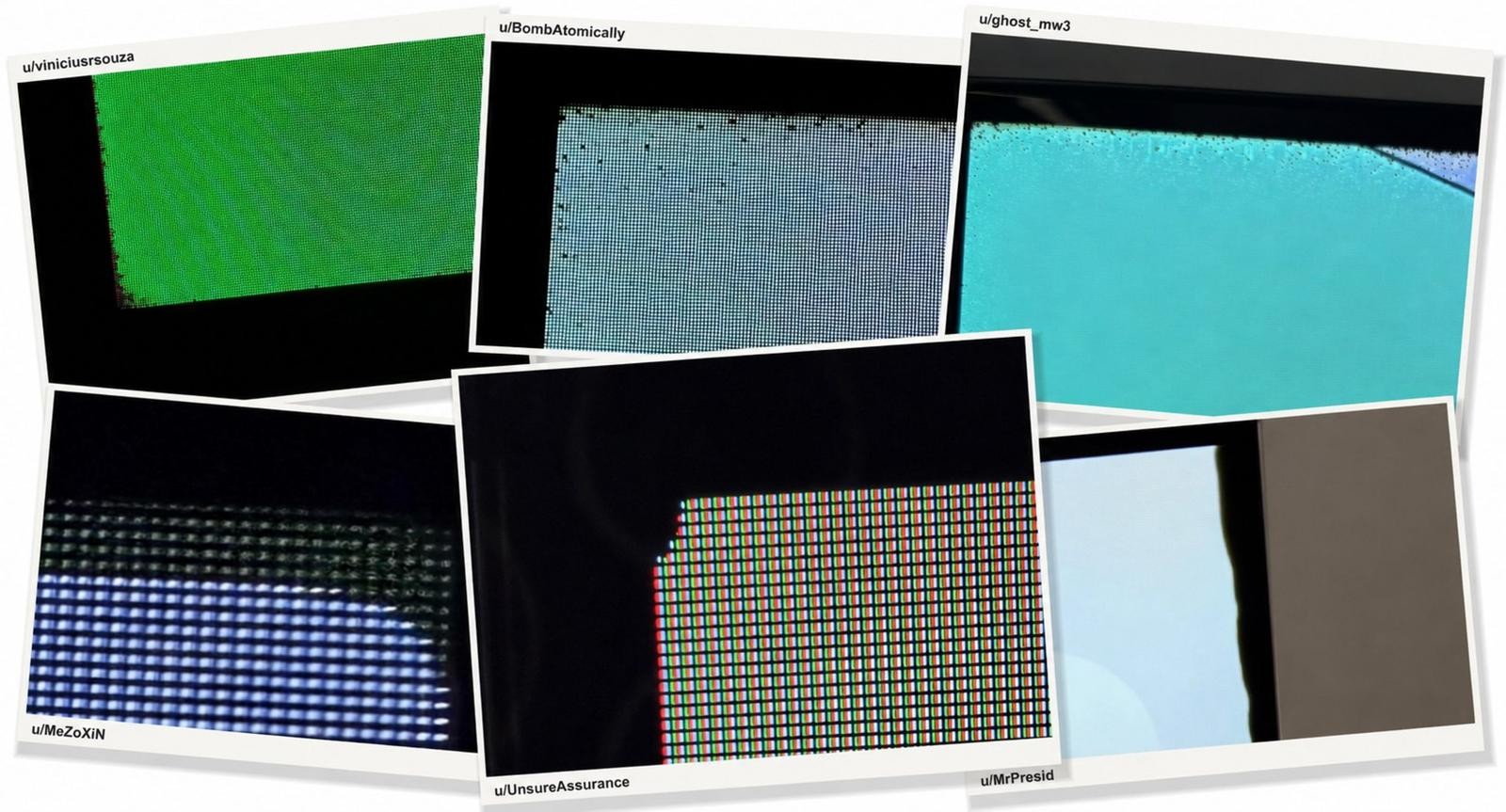
Specialists at RTINGS have identified a widespread defect in older OLED televisions utilizing WOLED panels manufactured by LG Display. During thorough durability testing, edge defects appeared on 14 out of 16 tested panels, accounting for a substantial 87.5 percent. To describe this phenomenon, researchers used the term edge rot. The issue affects devices from major brands such as LG and Sony produced between 2020 and 2022.
- RTINGS found edge rot in 87.5% of tested LG Display WOLED panels.
- The defect appears as dead pixels along borders and is distinct from OLED burn-in.
- Older WBC panels suffered worse than newer WBE, while Samsung QD-OLED remained unaffected.
- Manufacturers state the issue can occur under prolonged exposure to high heat and humidity.
How edge rot manifests and potential root causes
The problem manifests as dead pixels or small clusters of non-working dots located strictly along the outer borders of the display. Unlike classic OLED burn-in, this defect has no connection to displaying static images over long periods. RTINGS suggests that the underlying cause might be manufacturing flaws or damage to the protective layers designed to prevent moisture from penetrating inside the panel.
Comparing WBC and WBE panels alongside Samsung QD-OLED
Read alsoWhy you should never put your PlayStation 5 on a carpeted floorTelevisions equipped with older WBC panels suffered the worst, with signs of edge rot detected in nine out of ten tested units. In five cases, the defects were severe, while three others showed significant damage. Newer WBE panels performed better, though the defect still emerged in five out of six TVs. Meanwhile, none of the three tested TVs featuring Samsung Display QD-OLED panels showed similar damage, though researchers emphasize the sample size remains too small for definitive conclusions.
Manufacturer responses and industry implications
LG Electronics and LG Display have acknowledged the edge rot phenomenon. According to company representatives, it may occur in a small number of OLED devices under prolonged exposure to high temperatures, humidity, and other harsh conditions, though it should not happen during normal operation. Samsung Display attributes the resilience of its QD-OLED panels to Thin Film Encapsulation technology, which protects screen edges from moisture intrusion. RTINGS has not yet determined if panels manufactured from 2024 onward are affected.
Source: iXBT.com