Qualcomm is betting big on data centers as smartphone sales sink
Qualcomm focuses on AI data centers through partnerships with Amazon and Meta to offset a 20 percent drop in smartphone sales.
·2 min read
With smartphone sales dropping by around 20 percent compared to 2025, Qualcomm is shifting its strategic focus towards data centers to boost its overall revenue. During the Q4 2026 earnings call, the company outlined its roadmap to establish a strong presence in the AI data center hardware market.
- Smartphone sales have decreased by approximately 20 percent compared to the previous year.
- Projected data center revenue is expected to reach around $650 million in the first quarter of 2027.
- Revenue from this sector is forecasted to hit $5 billion by the end of 2027 and $15 billion by 2029.
Revenue Projections and Business Impact Qualcomm expects its data center division to scale rapidly, forecasting about $650 million in revenue during the first quarter of 2027 alone. The momentum is projected to accelerate significantly, reaching $5 billion by the end of 2027 and scaling up to $15 billion by 2029. To put these figures into perspective, Qualcomm's total revenue for 2026 was $10.4 billion. The company confirmed that data centers will eventually account for roughly 30 percent of its total business operations, marking a major transformation for the traditionally mobile-focused chipmaker.
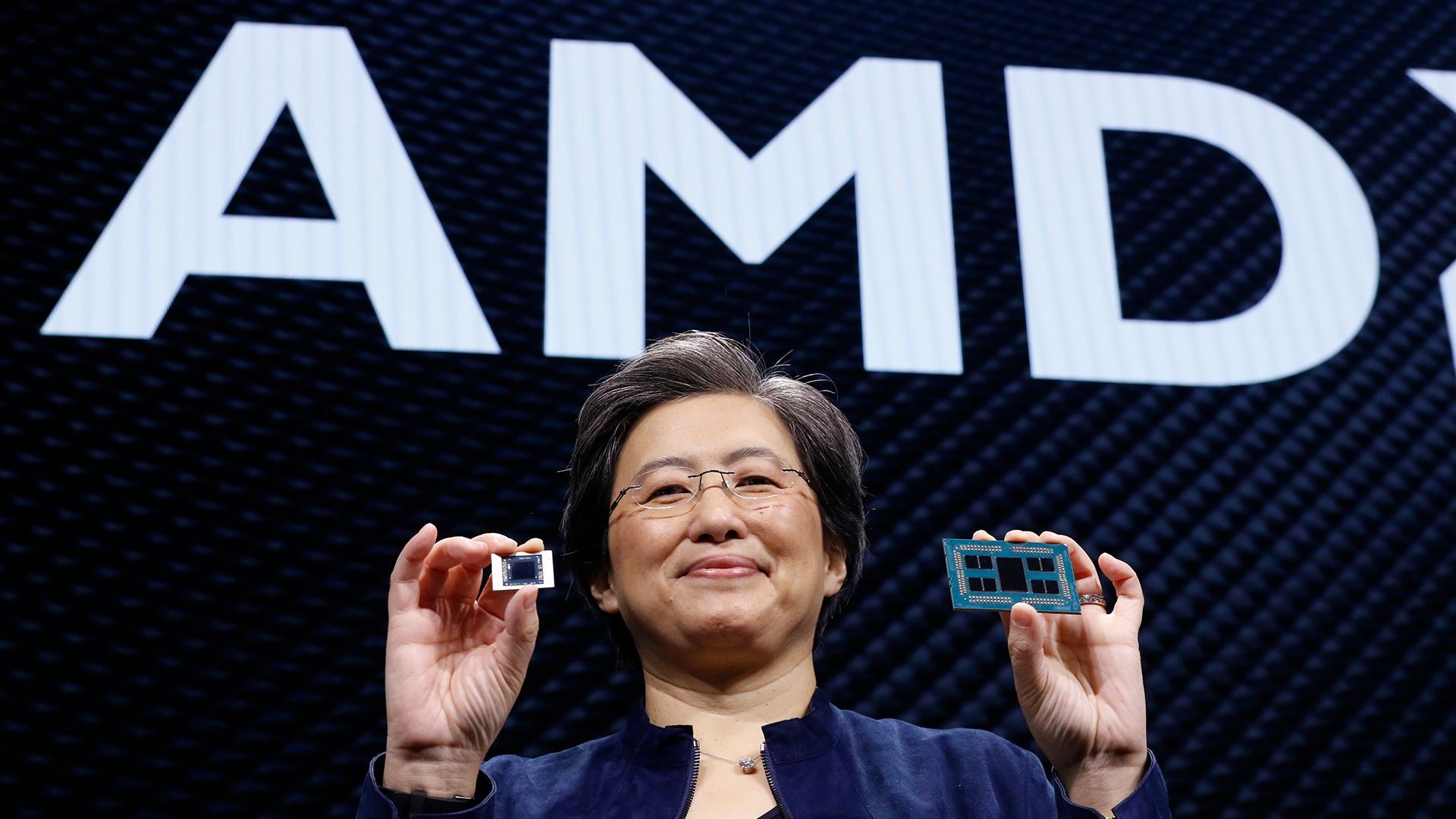
Strategic Partnerships in AI Infrastructure The company's ambitious expansion relies heavily on key strategic partnerships with major tech giants such as Amazon and Meta, which were announced earlier this year. These collaborations are designed to help Qualcomm capture market share in the booming AI infrastructure and server chip sector. While competitor AMD is even more aggressive—expecting over 80 percent of its revenue to eventually come from data centers—Qualcomm's entrance highlights the sheer volume of demand in the market, proving there is enough growth potential for multiple major players.
What This Means for the Tech Industry Qualcomm's pivot underscores the broader industry shift toward artificial intelligence and enterprise infrastructure as consumer hardware markets face saturation. For the semiconductor industry, it signals heightened competition and new supply chain dynamics as mobile giants expand into data center solutions.
Source: The Verge