Qwenputer: Experimental AI Model with Embedded RISC-V CPU and DOOM
AI engineer Divyansh Agrawal has unveiled Qwenputer, blending a Qwen 3.5 4B LLM with a 32-bit RISC-V CPU compiled directly into its weights.
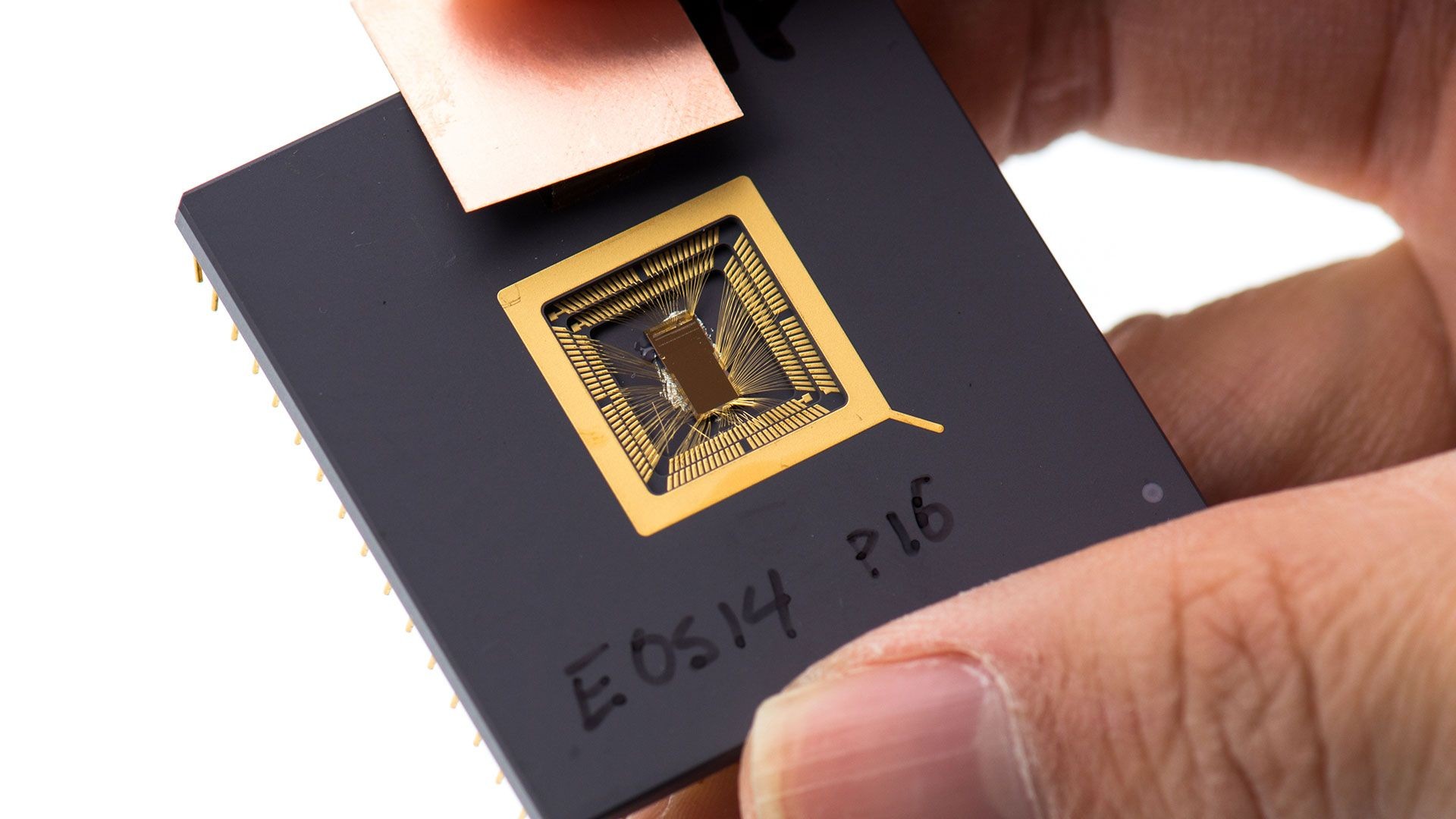
Artificial intelligence engineering continues to push boundaries with creative and unconventional experiments that merge traditional computing with neural networks. AI engineer Divyansh Agrawal has introduced Qwenputer, an experimental project that seamlessly integrates a stock Qwen 3.5 4B language model with a 32-bit RISC-V CPU compiled directly into its weights.
Key Highlights of Qwenputer - Qwenputer is an experimental blend of the Qwen 3.5 4B LLM with a RISC-V CPU embedded directly inside its weights. - The built-in processor utilizes Qwen's Gated DeltaNet state to function as RAM without external runtimes. - The model can execute precise arithmetic, run C and MicroPython code, and even play DOOM. - The project's code is available as open-source under the MIT license on GitHub and Hugging Face.
Technical Implementation of the In-Weight CPU Unlike traditional LLM creation methods, adding this custom CPU required no additional training. The RISC-V implementation consists of 11 transformer layers positioned in front of Qwen's own layers, with a compiler computing every single weight. Agrawal notes that the built-in CPU successfully passes official riscv-tests and has executed 18 million instructions free-running without a single error.
This integration successfully overcomes the well-known arithmetic weaknesses of many LLMs by providing exact calculations. Furthermore, the developer equipped the model with a persistent filesystem utilizing the DeltaNet state, featuring 1,024 slots holding up to 512 files which remain saved when conversation states are preserved.
System Requirements and Future Optimizations Due to the massive expansion of resources, Qwenputer doubles the size of the underlying Qwen 3.5 4B model to nearly 19GB. Consequently, Agrawal recommends a workstation equipped with 24GB of VRAM or more for testing the current version. Ongoing efforts are focused on streamlining code execution and improving processing speed.
What This Means for Developers and Tech Industry While Qwenputer is primarily an experimental exploration of possibilities rather than a targeted commercial tool, it raises fascinating engineering concepts. Embedding a functioning processor and filesystem directly into transformer weights demonstrates the remarkable flexibility of modern AI architectures, inspiring future research into hybrid computing systems.
Source: Latest from Tom's Hardware