
Cleaning up AI token vomit with a separate secondary LLM
Developers discuss an architectural approach of using a secondary language model to filter out unwanted tokens and messy model outputs.
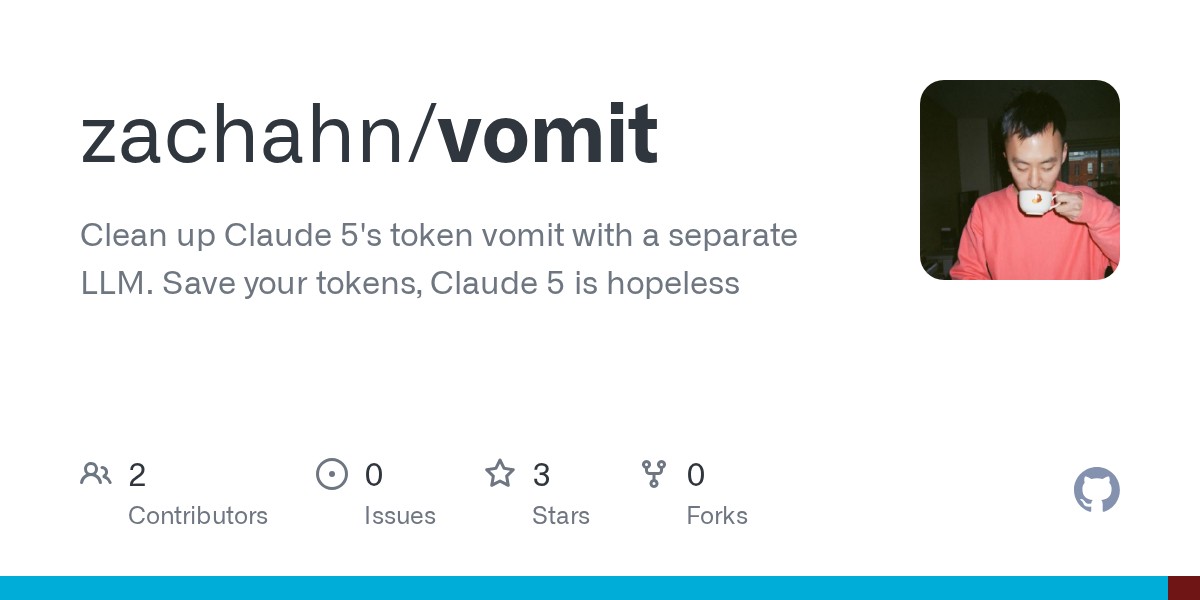
When working with large language models, developers frequently encounter the issue of messy outputs or excessive token generation, often informally referred to as token vomit. This unwanted verbosity can complicate data processing and inflate operational costs.
To address this challenge, a discussion on Hacker News highlights the practice of introducing a separate, smaller, or specifically tuned secondary LLM into the pipeline. This auxiliary model acts as a dedicated filter to clean up the primary model's response and retain only structured information.
Implementing such intermediate processing steps can significantly improve the reliability of automated workflows and AI-driven applications. It ensures that downstream systems receive clean, parseable data rather than unstructured conversational filler.
For the tech community and software engineers in Uzbekistan building modern AI solutions, understanding these practical pipelining techniques is crucial for optimizing API usage, reducing computational overhead, and delivering robust software products.