Safari 27.3 introduces Adaptive Dark Mode for web
Apple has announced Safari 27.3 beta featuring Adaptive Dark Mode, automatically transforming light websites into dark while preserving readability.
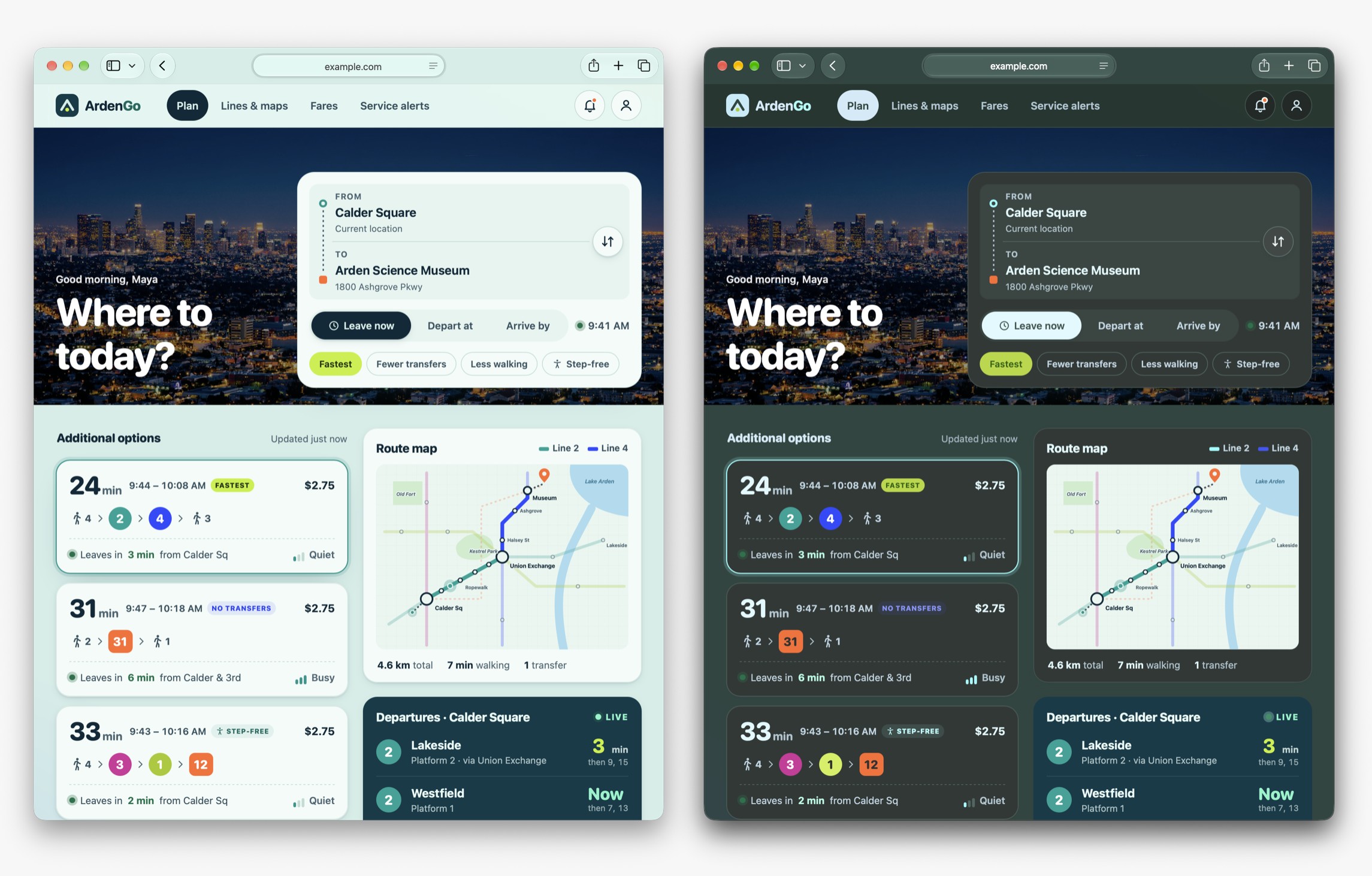
Apple has announced the release of Safari 27.3 beta, introducing a major new feature called Adaptive Dark Mode. This update addresses a common challenge for web users: while nearly 40% of web page loads occur in dark mode, only 10% of websites natively support it, often resulting in uncomfortably bright pages during nighttime browsing.
- Safari 27.3 beta introduces Adaptive Dark Mode to automatically transform light websites into a dark appearance.
- The engine analyzes page colors and adjusts luminosity while keeping hues intact, targeting WCAG 4.5:1 contrast standards.
- Privacy is rigorously protected by preventing websites from detecting whether Adaptive Dark Mode is enabled via scripts.
- Web developers can control or opt out of the transformation using standard color-scheme CSS rules.
How Adaptive Dark Mode works under the hood
When enabled by a user with system appearance set to dark, Safari offers a preview when visiting bright websites. For pages that already signal support for dark mode via HTML meta tags or CSS properties, Adaptive Dark Mode remains inactive. For the rest of the web, the WebKit engine quickly analyzes the page to estimate whether backgrounds are predominantly light. At its core, a custom color matrix transforms color luminosity while preserving hue and ensuring sufficient contrast ratios for text and UI elements.
Careful handling of graphics and interface elements
Read alsoiOS 27.3 and macOS 27.3 bring Vertical Tabs and Adaptive Dark Mode to SafariWebKit takes great care to ensure transformed content remains usable and aesthetically pleasing. While most images are left untouched, SVG icons and simple bitmap black-and-white logos are inspected and transformed to prevent contrast loss against inverted backgrounds. Complex effects like masks and mix-blend-mode can be disabled to avoid rendering bugs, and canvas contents remain unchanged to maintain predictability and performance.
Privacy protection and guidelines for web developers
Apple maintains its strong stance on user privacy by preventing websites from detecting the use of Adaptive Dark Mode. This blocks potential fingerprinting vectors used by trackers. JavaScript querying CSS colors will retrieve original authored values rather than transformed ones. Developers are encouraged to adopt modern web standards, implement native dark mode support using CSS variables and color-scheme tags, or specify light-only rules if they wish to bypass automatic browser transformations.
Implications for users and the web ecosystem
For users worldwide, this feature significantly enhances browsing comfort by providing a consistent dark experience across the entire web. For businesses and developers, it serves as a timely reminder to audit their web assets and implement robust native dark mode styling, ensuring optimal visual presentation across all modern browser environments.
Source: Hacker News: Front Page