Sam Altman discusses AI chip manufacturing with Samsung, TSMC and SK hynix
OpenAI CEO Sam Altman visits South Korea and Taiwan to negotiate HBM4 memory supplies, Jalapeño accelerators, and Stargate infrastructure.
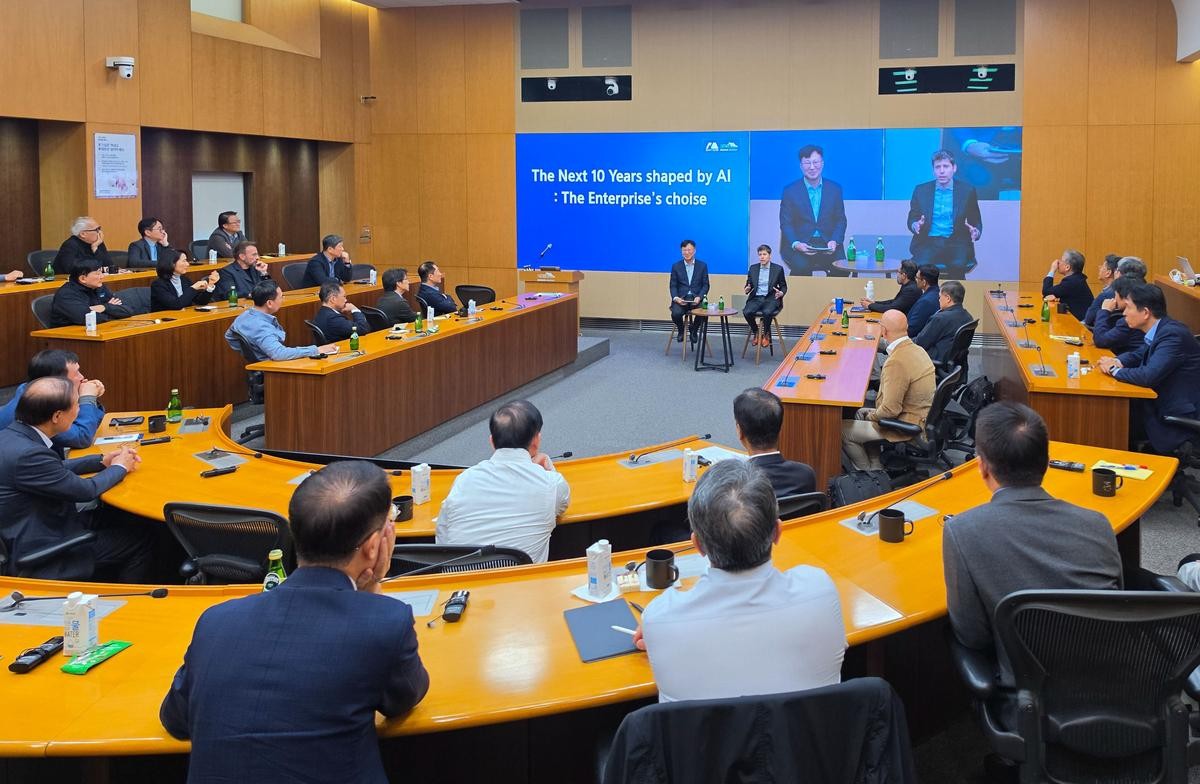
OpenAI CEO Sam Altman has held high-level negotiations with executives of major Asian semiconductor manufacturers amidst the development of the company's proprietary AI chips. During his visit to South Korea and Taiwan, Altman met with leaders from Samsung Electronics, SK Group, TSMC, and Foxconn to secure production capacities.
- OpenAI CEO Sam Altman visited South Korea and Taiwan to discuss semiconductor production partnerships.
- Discussions focused on memory supplies, accelerator manufacturing, and AI infrastructure development.
- The proprietary Jalapeño accelerator may utilize next-generation HBM4 memory produced by Samsung.
- Market analysts predict a significant surge in HBM memory prices, making strategic supply deals vital.
High-level negotiations in South Korea with Samsung and SK Group
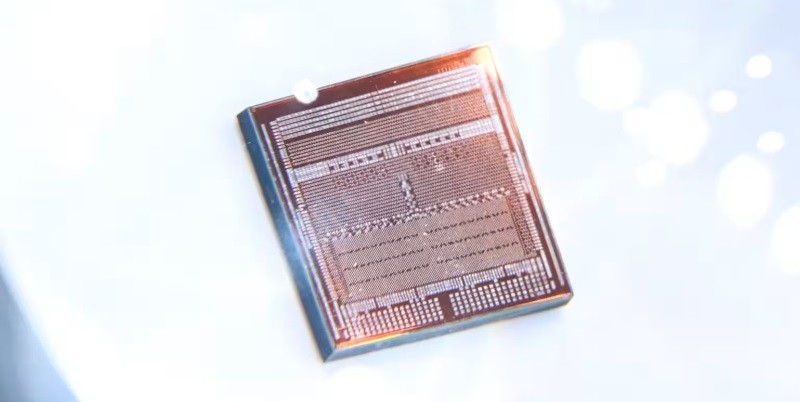
During his tour of South Korea, Altman was accompanied by Richard Ho, OpenAI's vice president in charge of proprietary chip development. According to industry reports from the Seoul Economic Daily, the upcoming Jalapeño accelerator could potentially utilize next-generation HBM4 memory manufactured by Samsung. Furthermore, the companies discussed potential orders for chip fabrication and advanced packaging, although no confirmed formal agreements have been publicly announced yet.
Altman also met with SK Group Chairman Chey Tae-won, with executives from SK hynix and SK Telecom reportedly participating in the talks. While detailed outcomes were kept confidential, the parties likely reviewed ongoing partnerships regarding high-bandwidth memory (HBM) supplies and the expansion of AI data center infrastructure in South Korea, aligning with preparations for the massive Stargate initiative.
Read alsoSam Altman meets with Samsung leadership to secure RAM for AI data centersTaiwanese partnerships with TSMC, Foxconn, and server vendors
In Taiwan, Altman met with Foxconn Chairman Young Liu, with Reuters reporting that both companies are actively working on a new collaborative direction. The OpenAI chief also conducted strategic talks with TSMC Chairman C.C. Wei, alongside representatives from major server equipment manufacturers Quanta and Wistron, which provide the infrastructure backbone for modern AI data centers.
According to Commercial Times, OpenAI's first-generation specialized silicon relies on TSMC's advanced 3-nanometer manufacturing process, while the company is already evaluating the cutting-edge A16 backside power delivery technology for its second-generation chips. These details stem from supply chain sources and have not yet been officially confirmed by OpenAI as official specifications.
Jalapeño accelerator development and market context
OpenAI is accelerating the timeline for designing its own specialized AI inference accelerators. In June 2026, the company and Broadcom unveiled the first joint Jalapeño accelerator designed to process user queries efficiently using pre-trained models. According to OpenAI, the transition from initial design to production readiness took only nine months, with performance testing already completed and initial deployments slated before the end of 2026.
Looking ahead, the company aims to scale its computing infrastructure up to gigawatt-level capacities. However, component costs remain a challenge; TrendForce forecasts indicate that average HBM prices could rise significantly by 2027 due to tight supply constraints and the rising market share of expensive HBM4 components.
Strategic implications for the global tech industry
OpenAI's aggressive push into semiconductor supply chains marks a crucial milestone in the vertical integration of artificial intelligence developers. By diversifying manufacturing partnerships across TSMC, Samsung, and SK hynix, the company aims to mitigate hardware bottlenecks and secure long-term autonomy over its computational resources.
For the broader tech ecosystem, these developments underscore a major shift in supply chain dynamics where access to advanced packaging, lithography, and memory dictates market leadership. The ultimate success of hardware initiatives like Jalapeño and the Stargate project will heavily influence both OpenAI's competitive standing and the future trajectory of global AI infrastructure.
Source: iXBT.com