Samsung Intelligent Eyewear: release date and details for Android XR
Samsung's first Android XR smart glasses, dubbed Intelligent Eyewear, are expected to launch in the US and South Korea by mid-December.
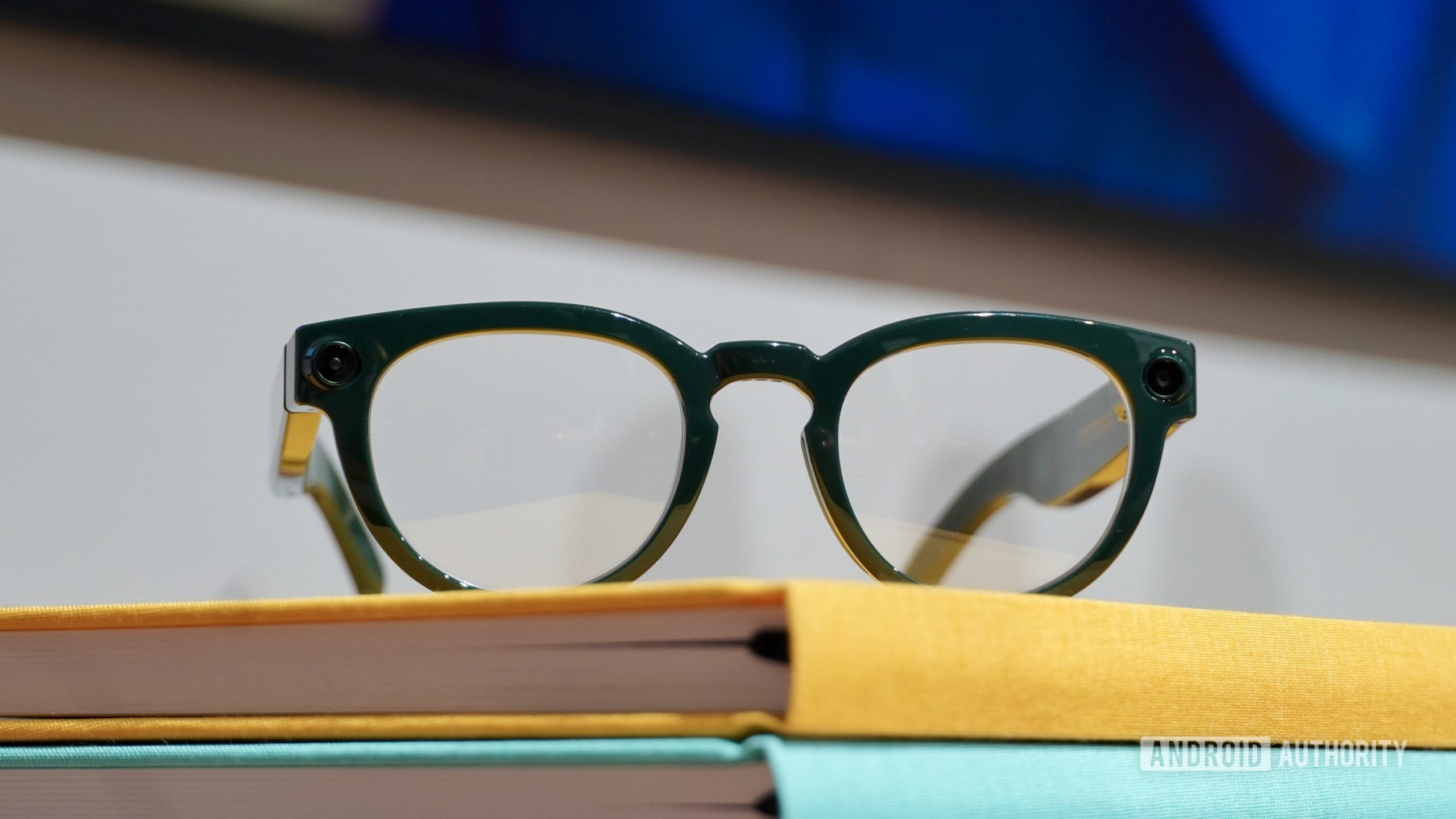
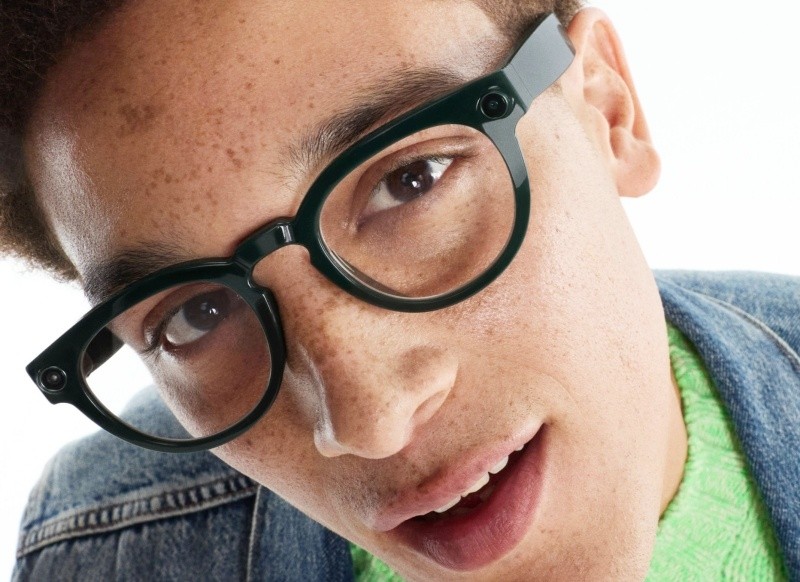
Samsung is preparing to release its very first pair of smart glasses powered by Android XR in the US by mid-December. Developed in close partnership with Google, this highly anticipated wearable aims to rival existing smart glasses on the market.
- Expected release in the US and South Korea by mid-December.
- The lineup has been officially named "Intelligent Eyewear".
- Lighter than Meta's Ray-Ban glasses and powered by the Qualcomm Snapdragon AR1 chip.
- Features a camera and multiple microphones for Gemini integration without an in-lens display.
Release Timeline and Initial Markets
According to reports from South Korean business publication Chosun Biz, Samsung's upcoming smart glasses will hit shelves starting mid-December, just in time for the holiday gifting season. Previous rumors pointed to a late November launch in South Korea, but the timeline has been slightly adjusted.
Initially, availability will be strictly limited to South Korea and the United States. Key markets like China, Japan, and Europe will be skipped in the first wave, though Samsung may evaluate expanding to these regions by 2027.
Read alsoSamsung Intelligent Eyewear smart glasses launch in December 2026Hardware Specifications and Design
Samsung and Google have zeroed in on the name "Intelligent Eyewear" for the upcoming lineup. Recent leaks indicate that these glasses will boast a notably lighter build than Meta's Ray-Ban and Oakley smart glasses, offering improved comfort for all-day wear.
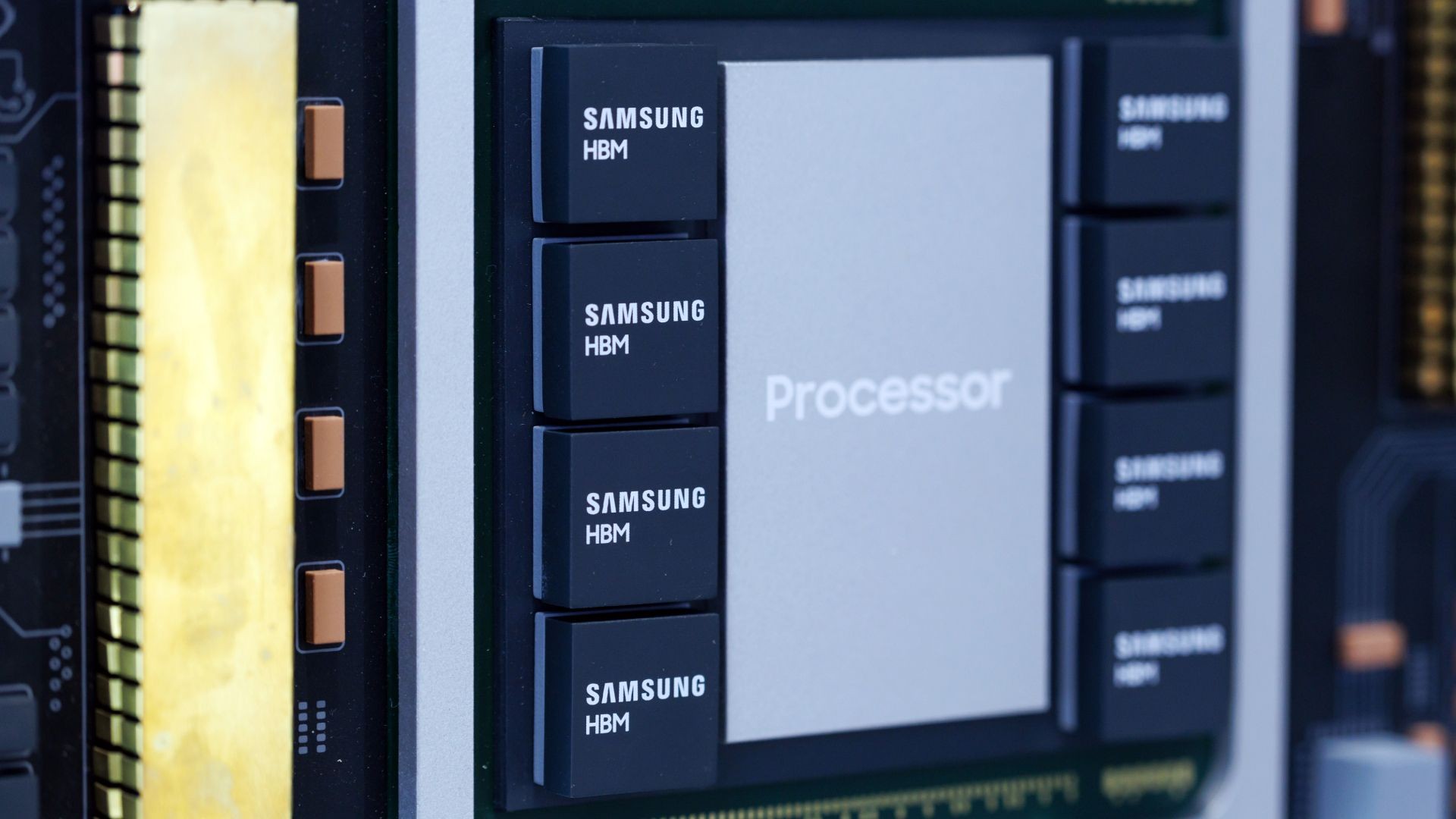
Under the hood, the glasses run on Qualcomm’s Snapdragon AR1 chip. Notably, the device lacks an in-lens display, relying instead on multiple microphones and a camera designed to observe and analyze surroundings using Gemini, alongside probable support for 3K video recording.
Pricing and Market Expectations
While the official final price remains unconfirmed, industry expectations place the retail cost around or slightly below Meta's third-generation Ray-Ban glasses, which start at $449. This makes them significantly more affordable than Samsung's $1,800 Galaxy XR mixed reality headset.
The introduction of Samsung's first Android XR smart glasses marks a major milestone for the wearable tech ecosystem. By combining Qualcomm hardware, Gemini AI capabilities, and lightweight design, Samsung is poised to offer a compelling alternative in the smart eyewear market.
Source: Android Authority