Smugglers exploit trade loophole to bring banned HBM chips into China
SMugglers bypass U.S. and South Korea export controls by attaching expensive banned HBM memory chips to cheap, unsanctioned server processors.
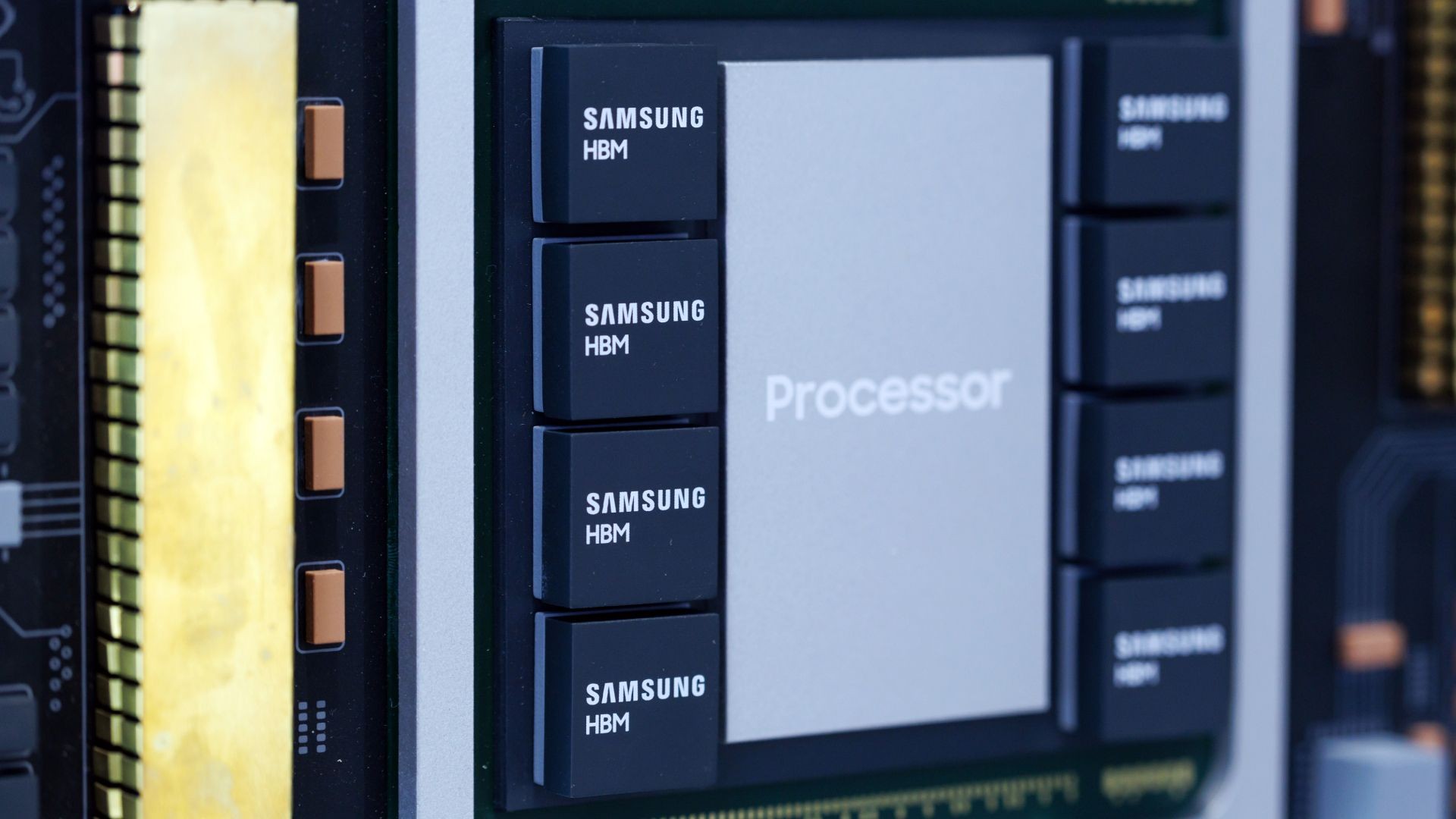
A sophisticated smuggling operation has revealed how advanced artificial intelligence memory components are being funneled into China despite strict international export controls. By exploiting a critical loophole in how customs authorities inspect server hardware, smugglers have found a reliable method to bypass trade restrictions imposed by the United States and South Korea.
- Smugglers leverage a loophole where customs officials only evaluate the performance metrics of server processors.
- Expensive HBM memory chips from Samsung and SK hynix are physically paired with cheap, low-end processors.
- Components are smuggled into Shenzhen via Hong Kong through daily commuters before being harvested in underground workshops.
- The soaring black-market value of HBM3E units makes the high-risk smuggling operation extremely lucrative.
The Smuggling Mechanism and Logistics
The operation relies on chip design firms established by smugglers that build cheap, low-performing processors falling outside current export control thresholds. High-end memory chips made by Samsung and SK hynix, which are strictly banned for export to China, are then attached to these inferior processors. Because government regulations only evaluate the standalone performance of the main processor and ignore attached components, the banned memory slips past border inspections unnoticed.
Once the hybrid hardware lands in Hong Kong, it is smuggled across the border into Shenzhen by everyday commuters carrying the components in their luggage. Inside secretive workshops, technicians heat the circuit boards to soften the solder, carefully extract the valuable HBM chips, and discard the rest of the hardware. Despite a significant failure rate during extraction, the staggering market price of high-end memory ensures the procedure remains exceptionally profitable.
Read alsoSam Altman discusses AI chip manufacturing with Samsung, TSMC and SK hynixThe AI Memory Bottleneck in China
Chinese artificial intelligence laboratories and hardware manufacturers face severe component bottlenecks when attempting to acquire advanced GPUs. While domestic memory producer CXMT is scaling up its HBM3E production capabilities, it continues to suffer from low yield rates, making local memory expensive to manufacture and procure. This dynamic directly impacts major companies like Huawei, whose top-tier Ascend 950DT processor commands a high price while offering limited performance compared to western alternatives.
Huawei has reportedly informed customers that they must independently source the required HBM memory for their servers because domestic suppliers cannot meet total demand and foreign chips are legally barred. This limitation intensifies market scarcity, driving up the price of smuggled components and encouraging more illicit operations to satisfy the heavy appetite of China's AI sector.
Regulatory Risks and Future Outlook
As this method of moving banned hardware gains traction, operators acknowledge the growing threat of a regulatory crackdown. Washington has aggressively prosecuted sanction-evading activities, resulting in high-profile arrests across the United States, Taiwan, and Malaysia. With other regional authorities ramping up anti-smuggling enforcement, industry observers believe it is only a matter of time before South Korea closes this compliance loophole.
Source: Latest from Tom's Hardware