Satya Nadella warns critical infrastructure is unpatchable amid AI threats
Microsoft CEO Satya Nadella spoke at the DealBook Summit about unfixable software vulnerabilities and growing AI-powered cyberattack risks.
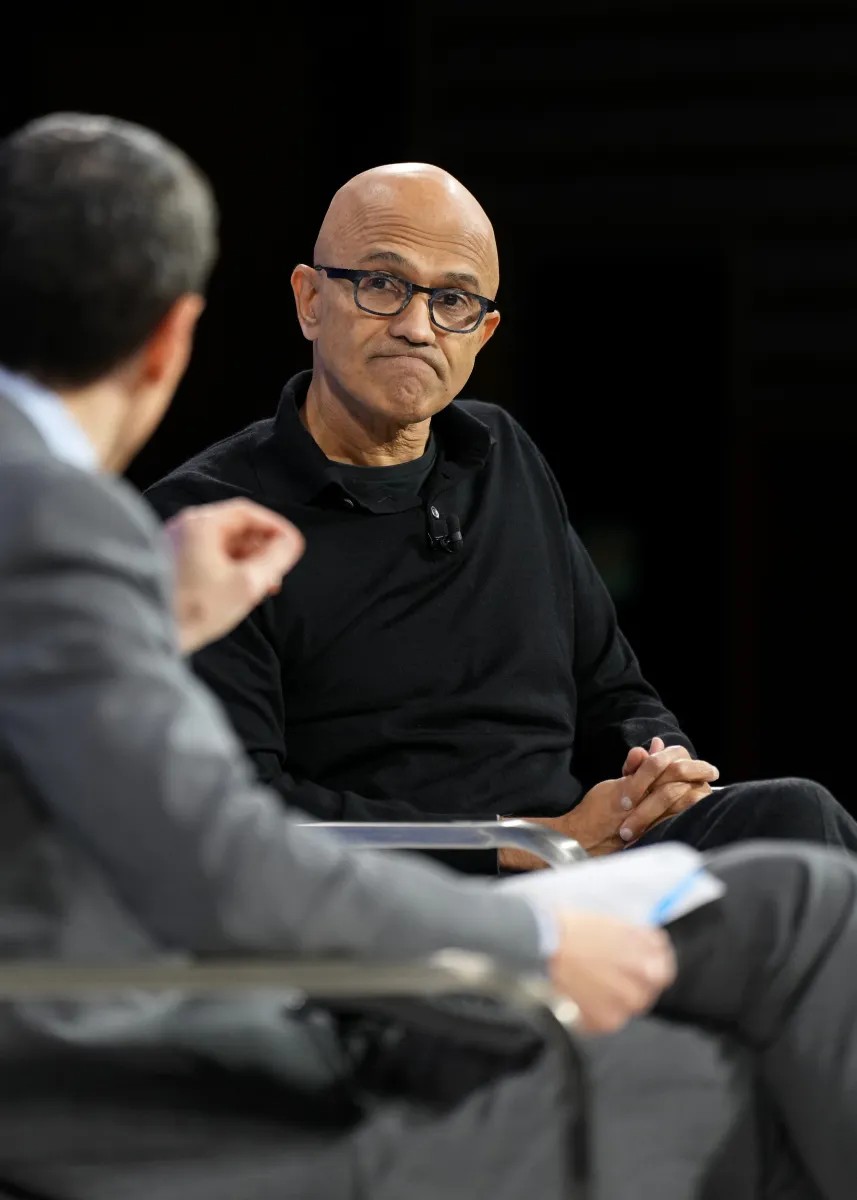
Microsoft CEO Satya Nadella addressed attendees at The New York Times' DealBook Summit, discussing the complex intersection of connectivity, software vulnerabilities, and the rise of artificial intelligence. He highlighted how the digital transformation brings both new capabilities and profound security challenges.
- Satya Nadella noted that much of the critical infrastructure, including firmware and HVAC systems, contains unpatchable vulnerabilities.
- AI has dramatically accelerated both vulnerability discovery and the sophistication of modern cyberattacks.
- Nadella briefly addressed the recent global Microsoft Outlook outage, attributing it to a latent bug rather than a cyberattack.
The vulnerability of connected critical infrastructure
According to Nadella, the smartification of the economy by connecting previously offline hardware to the internet has created significant security headaches. Many legacy systems, ranging from data center chillers to transportation controls, rely on firmware that cannot easily be patched.
These connected systems remain exposed on the internet, creating potential vectors for exploitation in an era when automated and AI-aided cyberattacks are becoming increasingly common. Modernizing such vast physical and digital systems presents a major challenge for organizations worldwide.
Read alsoPalo Alto Networks in talks to acquire Clutch for $500MThe speed of patching and AI implications
Artificial intelligence has become a powerful tool for discovering software vulnerabilities, but it has drastically altered the timeline for defense. In the past, organizations had ample time to test software patches and thoroughly understand security situations before deployment.
Today, however, patches must move instantly from availability to production because malicious actors can exploit vulnerabilities in the wild almost immediately. This race against time to secure infrastructure inevitably introduces operational instability and risks system crashes.
Context behind recent outages and outlook
Nadella also touched upon the recent global Microsoft Outlook outage, describing the widespread inconvenience as the result of a latent bug that created a perfect storm of technical failures. Officials and company leaders have emphasized that such incidents underline the need for better real-time threat detection.
As organizations face a wave of large-scale technological outages across various sectors, Microsoft and other tech giants are evaluating both upstream architectural and operational learnings to enhance future resilience against sophisticated threat vectors.
Source: TechCrunch