Scientists obtain fertile clone females from male mouse embryos for the first time
Researchers used CRISPR to remove the Y chromosome from cloned mouse embryos, successfully producing healthy and fertile females.
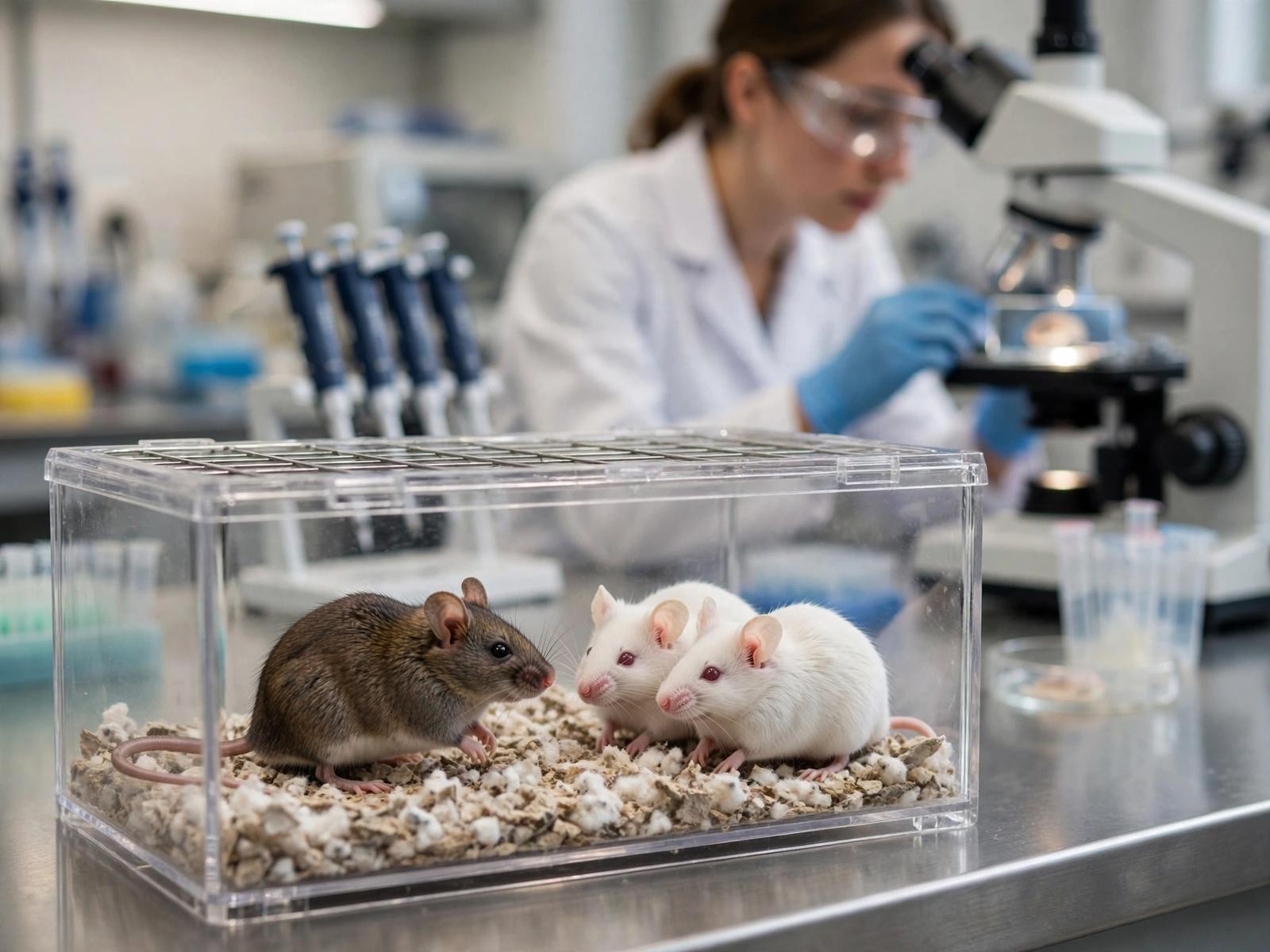
Scientists have for the first time successfully turned cloned male mouse embryos into viable and fertile females. To achieve this, researchers developed the Y-CUT method based on the CRISPR gene-editing tool to eliminate the Y chromosome.
- Developed the Y-CUT method using CRISPR to remove the Y chromosome from embryos.
- Out of 13 transferred embryos, healthy mice with female organs and XO sets were born.
- The resulting females proved to be fully fertile and produced healthy offspring.
Innovative genome editing method
Researchers first tested Y-CUT on male embryos obtained through in vitro fertilization. They then created cloned embryos using somatic cell nuclear transfer, placing a donor male cell's nucleus into an egg cell stripped of its own nucleus.
After surrogate transfer, healthy mice were born, with 10 having female genitalia and an XO chromosome set—just one X chromosome instead of the usual two. The animals proved to be healthy, fully functional, and able to reproduce.
Read alsoClaude AI accidentally deletes professor lecture notes and syllabusExperiment results and offspring
The resulting females were exact clones of the original male donor, except for the missing Y chromosome. These females successfully mated with cloned males and produced offspring with normal XX or XY chromosome sets.
The authors were inspired by the Japanese goby fish, which can change sex. However, the experiment involved targeted modification of the embryonic chromosome set rather than natural sex reversal.
Prospects for preserving endangered species
In the future, this technology could help preserve species with critically low population numbers. Genetic material from a single male could theoretically be used to produce both males and females to establish a breeding pair.
The method's applicability depends on species-specific traits: while rodents with an XO set can be fertile, many other mammals, including humans and horses, are incompatible with normal reproduction under this chromosome combination. Experts hailed it as a major step for reproductive science.
Source: iXBT.com