Siemens acquires chip debugging specialist Lauterbach to boost EDA business
German industrial giant Siemens agrees to acquire Lauterbach to integrate hardware and software debugging into a single unified ecosystem.
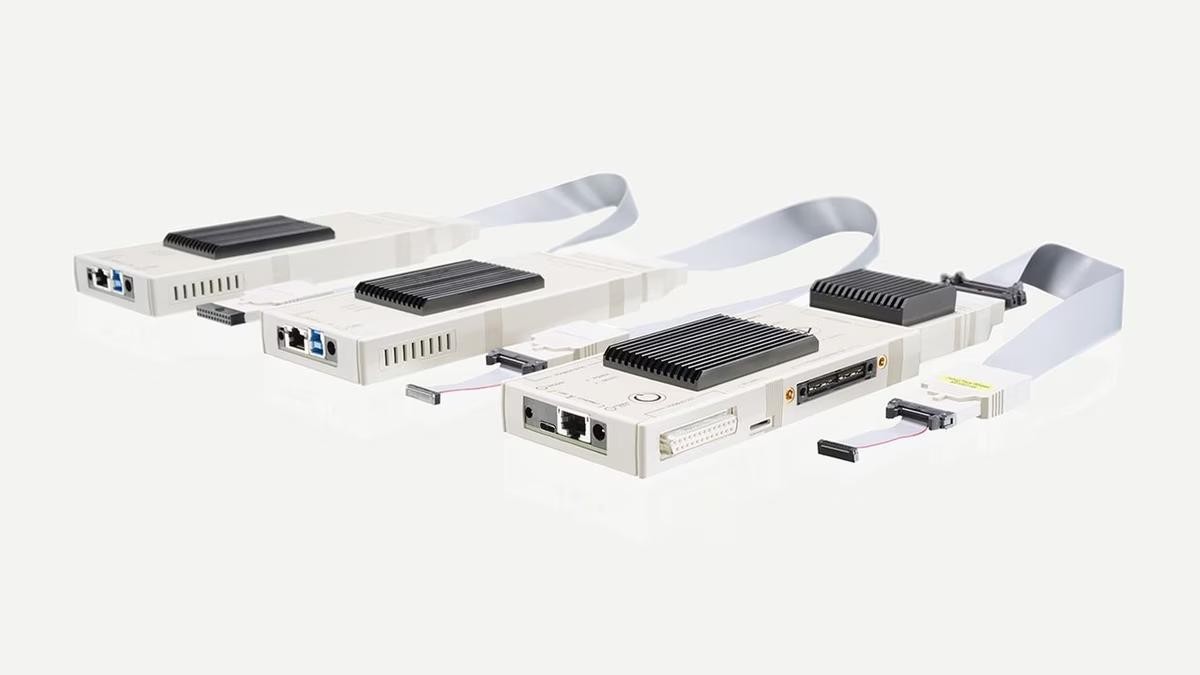
German industrial conglomerate Siemens has agreed to acquire Lauterbach, a Höhenkirchen-based company specializing in tools for finding errors in microprocessors and firmware. The financial terms of the deal were not disclosed, though Lauterbach generated revenue of approximately 60 million euros last year with a workforce of 170 employees. The transaction is expected to close in the first half of 2027, pending the receipt of all necessary regulatory approvals.
- Lauterbach's products will be integrated into Siemens' Electronic Design Automation (EDA) business unit.
- The flagship TRACE32 debugging system enables real-time chip analysis and error tracking.
- Financial terms remain undisclosed, though Lauterbach reported around 60 million euros in revenue last year.
- The transaction is slated to close in the first half of 2027 following regulatory clearances.
Integrating advanced debugging into the EDA portfolio
The acquisition will bring Lauterbach's offerings, including its flagship TRACE32 debugging system, directly into Siemens' Electronic Design Automation (EDA) unit, which creates software for designing and testing chips. Engineers use these tools to analyze chip performance in real-time and trace errors within the code. Adding specialized debugging software to Siemens' existing hardware simulators will enable parallel verification of microprocessors and control software long before physical silicon manufacturing begins.
The growing importance of hardware-software co-design
Read alsoNvidia abandons China market following Jensen Huang's ousterThis unified approach is becoming critically important as the traditional boundaries between hardware and code continue to blur. Modern vehicles, Internet of Things devices, and artificial intelligence systems all require the simultaneous co-design of processors and algorithms. Early verification of the hardware-software stack significantly shortens development cycles and minimizes the risks of costly production delays.
Strategic outlook and market impact
Leadership at Siemens Digital Industries plans to expand its semiconductor design portfolio by merging hardware verification and software debugging into a single cohesive ecosystem. Following the transaction's completion, Lauterbach's co-founders will remain with the company, maintaining their focus on serving over 1,200 customers across the automotive, telecommunications, and semiconductor industries. This strategic acquisition aligns seamlessly with Siemens' broader corporate strategy focused on industrial AI solutions and robotics.
Source: iXBT.com