Volant Manticore Group Deploys IPFS-Based KuboShell Backdoor
A new Iran-aligned threat group named Volant Manticore targets critical infrastructure using the KuboShell backdoor.
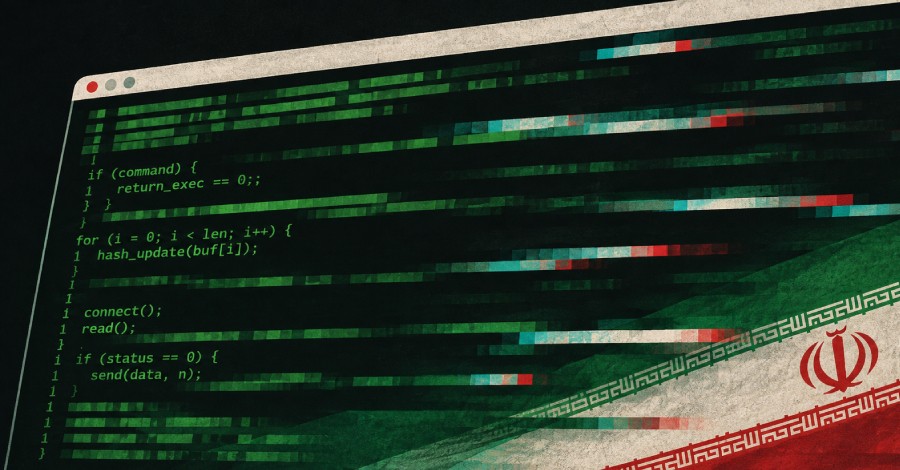
A previously undocumented cyber espionage group tracked as Volant Manticore, aligned with Iran, has launched targeted attacks. The campaign primarily focuses on telecommunications, airlines, and critical infrastructure in Cyprus.
- Targets: telecom companies, airlines, and critical infrastructure in Cyprus.
- Main tool: KuboShell backdoor utilizing IPFS for command-and-control.
- Additional tool: Homa post-compromise framework.
The Mechanics of KuboShell and IPFS
At the core of the group's operations is a backdoor named KuboShell. This malicious tool leverages the InterPlanetary File System (IPFS) for its command-and-control (C2) communications.
Using decentralized protocols like IPFS allows threat actors to conceal their network traffic and evade standard detection mechanisms, making infrastructure tracking significantly more challenging for defenders.
Read alsoShinyHunters Claims Return After FBI Arrests Using Old PGP KeysDeployment of the Homa Framework
In addition to KuboShell, the operators deploy Homa, a post-compromise framework designed to assist in maintaining access and executing subsequent malicious activities within compromised environments.
The framework acts as a reimagined implementation of existing persistence and reconnaissance tools, helping attackers navigate through the infiltrated networks.
Implications for Cyber Defense
The emergence of Volant Manticore highlights the growing adoption of decentralized file systems by advanced threat actors. Security teams must adapt their monitoring strategies to detect unconventional C2 channels.
Source: The Hacker News