
Large Language Models and Psychics: The Psychological Parallels of AI
Tech discussions reveal fascinating behavioral similarities between modern chat-based AI models and traditional psychic scams.
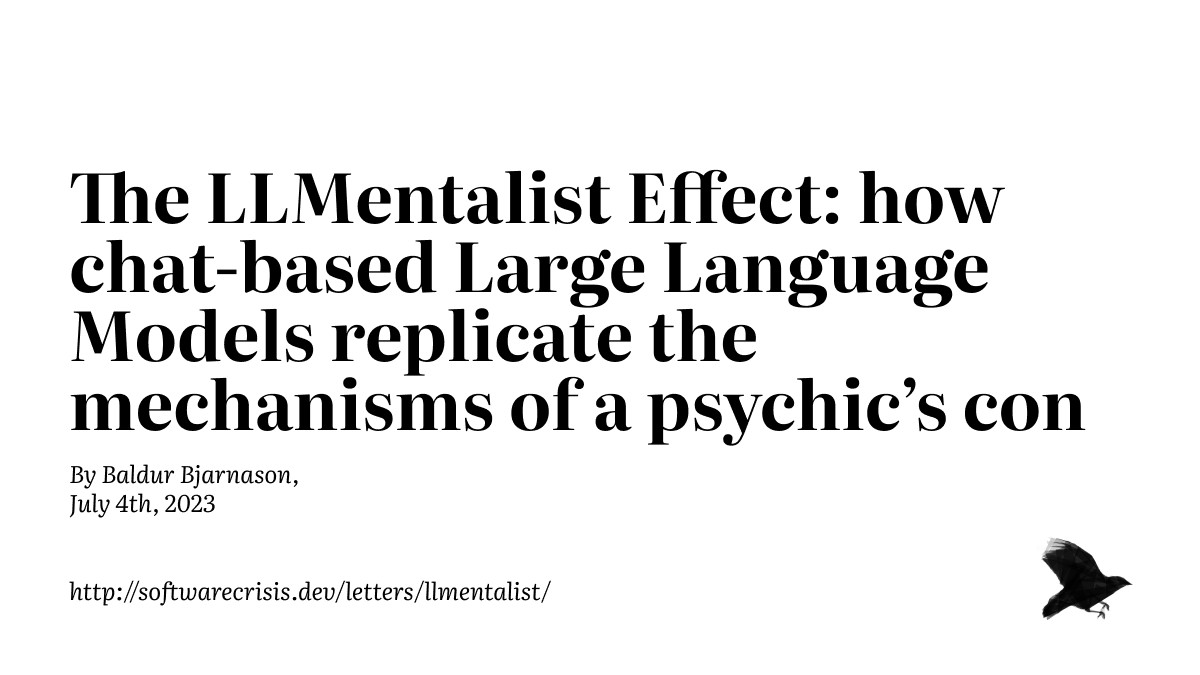
Recent online discussions have brought to light a fascinating and provocative comparison between large language models and the age-old techniques used by psychics and con artists to manipulate perception.
According to insights shared on platforms like Hacker News, chat-based AI systems often replicate the fundamental mechanics of cold reading. They rely on vast datasets to feed users broad yet personalized-seeming responses that cater directly to the user's implicit expectations.
Rather than possessing genuine understanding or emotional intelligence, language models excel at pattern matching and emotional mirroring. They pick up on the tone and context of user inputs, acting as an intelligent mirror that reflects back what the user wants or expects to see.
This realization sparks important ethical questions about the future of human-computer interaction. As AI becomes increasingly conversational and empathetic in appearance, users run the risk of overestimating its capabilities and forming misplaced emotional attachments.
For the global tech audience and emerging markets, understanding these psychological layers is essential. It encourages a more critical, balanced approach toward adopting generative AI tools while remaining aware of their inherent persuasive limitations.