AI and data centers emerge as midterm election issues
At a political event in Brooklyn, artificial intelligence and data centers dominated discussions, turning into key election topics.
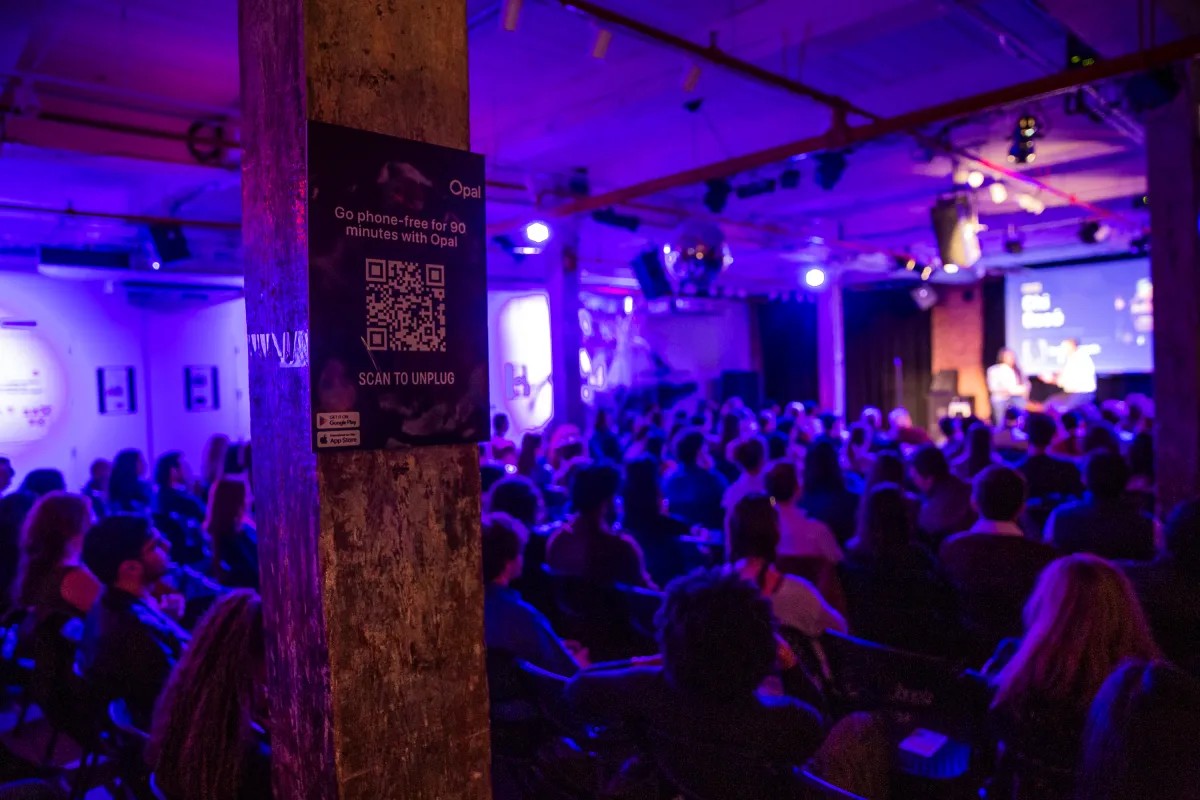
Artificial intelligence and data centers unexpectedly dominated conversations at a political event in Brooklyn just five days before Election Day. Although the gathering was meant to focus on the midterm elections and the future of the Democratic Party, attendees and speakers repeatedly returned to the societal impact of tech infrastructure.
- AI and data centers became the central topic of discussion at a Brooklyn midterm event five days before the election.
- According to Data Center Watch, nearly $200 billion in data center projects were delayed or blocked in the first half of 2026.
- Residents and advocates expressed strong concerns over big tech influence, environmental risks, and a lack of transparency.
The growing chasm between tech and the public
Lately, a widening gap has emerged between tech insiders who are optimistic about AI and the general public, for whom rapid technological changes feel alarming. Outside the tech bubble, the aggressive development of data centers has sparked severe backlash. A report by Data Center Watch revealed that nearly $200 billion in data center projects were delayed, stalled, or blocked in the first half of 2026 due to political and community opposition.
States like Virginia, Pennsylvania, Georgia, Texas, and New York are now considering stricter guardrails and transparency around data center development. In Virginia alone, hundreds of new facilities are planned, prompting intense pushback from local residents who feel they have lost control over their communities.
Read alsoAmazon Reports $42.4B Outflow and Prepares $220B AI InvestmentPublic pushback and political accountability
During a panel discussion at the event, New York City Council member Chi Ossé emphasized that tech executives should be held more accountable and called for stricter scrutiny of billionaires. When the moderator asked the audience who supported pro-AI data centers, the crowd responded with loud boos, reflecting deep-seated public frustration.
Citizens are increasingly upset over secretive deals between big tech firms and local officials to build billion-dollar facilities. As people struggle with the cost of living, tech leaders openly discuss AI replacing human workers, turning data centers into physical embodiments of public anxiety and anger toward the tech class.
Political ramifications and voter sentiment
Even in places like Brooklyn, where data centers are less visible, AI has transformed into a ballot-box issue for regular voters. Event organizer Jack Brewster noted that the topic arose in every on-stage conversation. While rural backlash focuses on the fear of being replaced, urban opposition centers on questions of wealth distribution.
For tech companies and developers, this growing political friction signals that public sentiment can no longer be ignored. The backlash threatens to shape future regulations, zoning laws, and political campaigns as communities push back against the rapid pace of tech expansion.
Source: TechCrunch