Intel shifts consumer chip capacity to servers amid high AI demand
Intel is reallocating manufacturing capacity from consumer PCs to server CPUs like Xeon to meet unprecedented AI-driven demand and shortages.
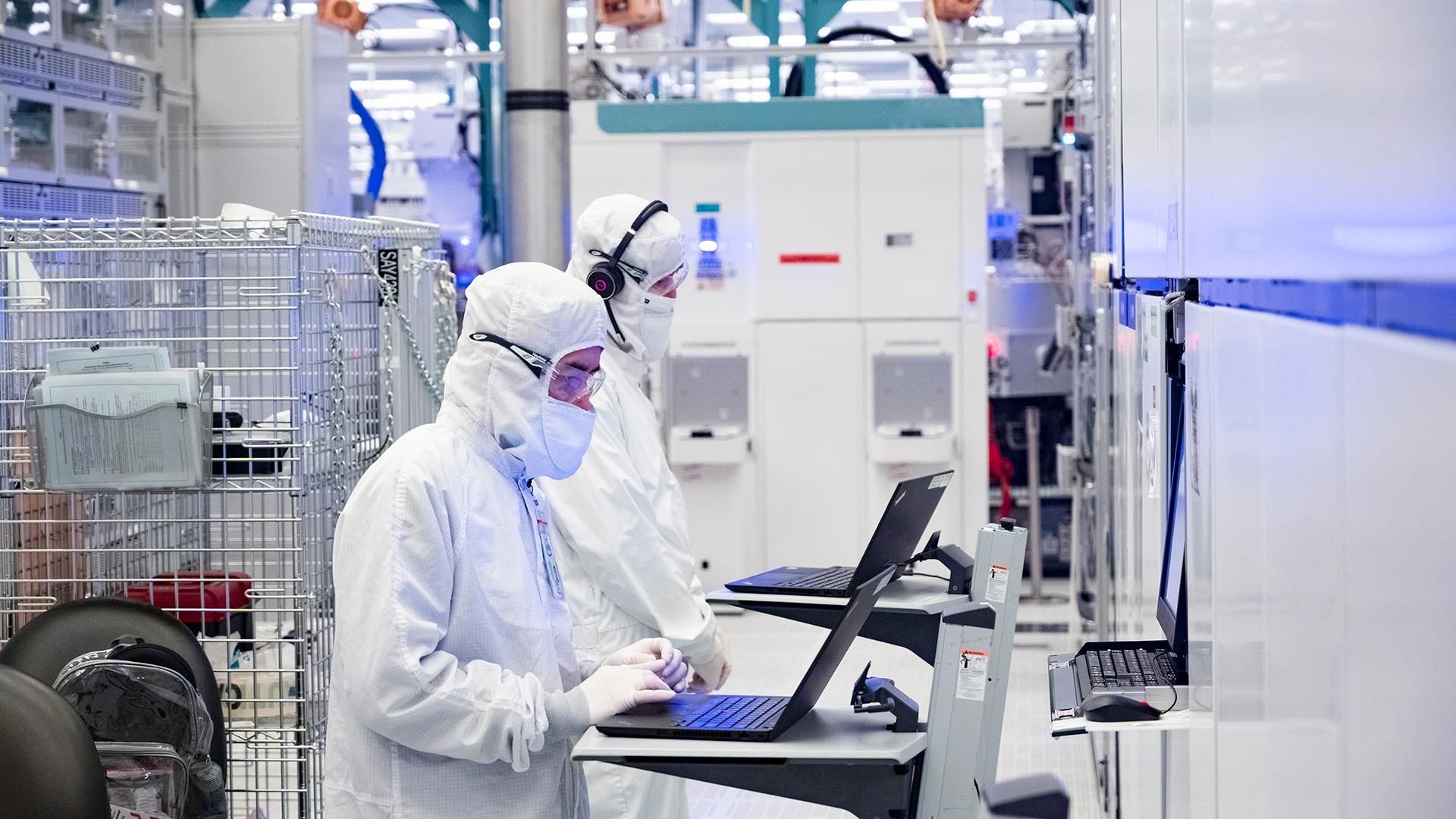
Intel is actively reallocating its semiconductor manufacturing capacity away from consumer PCs and toward data center processors to address surging, AI-driven demand. Amid a shrinking client PC market, the company is navigating what executives describe as one of the most significant supply shortages in industry history, requiring major strategic shifts across its global manufacturing footprint.
- Intel is shifting wafer capacity from client chips to server CPUs.
- DCAI business revenue reached $7.3 billion in Q3 2026, up nearly 80% year-over-year.
- Factories in Ireland, Arizona, New Mexico, and Malaysia are being expanded.
- Advanced substrate shortages are also being addressed to support multi-die packaging.
Prioritizing Server CPUs and Granite Rapids
To keep pace with overwhelming demand for data center processors, Intel is converting manufacturing resources in Oregon from its client-focused 18A process to the Intel 3 process. This capacity will be dedicated to ramping up production of Xeon 6 'Granite Rapids' processors. Although Granite Rapids has become Intel's fastest-ramping server processor family, demand continues to outstrip available supply, pushing the company to optimize yields and reduce cycle times.
Global Manufacturing Expansion and Capital Investments
Read alsoIntel Fab 28 explosion causes $600M loss and server chip delaysIntel is accelerating expansions across its international facilities, including the Fab 24 complex in Ireland and the Fab 52 and Fab 62 sites in Arizona, which will produce chips using the 18A and 18A-P process nodes. Capital expenditures are projected to hit roughly $20 billion in 2026 and increase further in 2027 as the company procures necessary tools and advances construction on new facilities, such as the major complex in Ohio.
Overcoming Advanced Packaging and Substrate Bottlenecks
Increasing wafer output alone is not enough; Intel also faces tight supply constraints regarding advanced organic substrates required for its multi-chiplet processors using EMIB and Foveros 3D packaging technologies. The company is collaborating with suppliers to boost substrate capacity by roughly 40% in the second half of 2027. Furthermore, advanced packaging operations in New Mexico and Malaysia are scaling up to support complex products like Clearwater Forest.
Implications for the Tech Industry
For data center operators and enterprise cloud providers, Intel's strategic pivot signals a concerted effort to alleviate severe server hardware shortages. While supply constraints are expected to persist through late 2027, the massive investments in wafer fabrication, substrate partnerships, and advanced packaging position Intel to better capture the booming AI server market.
Source: Latest from Tom's Hardware