AI isn't replacing SREs, it's deskilling them and creating new risks
How integrating AI into site reliability engineering leads to deskilling and why automating routine tasks creates hidden risks.
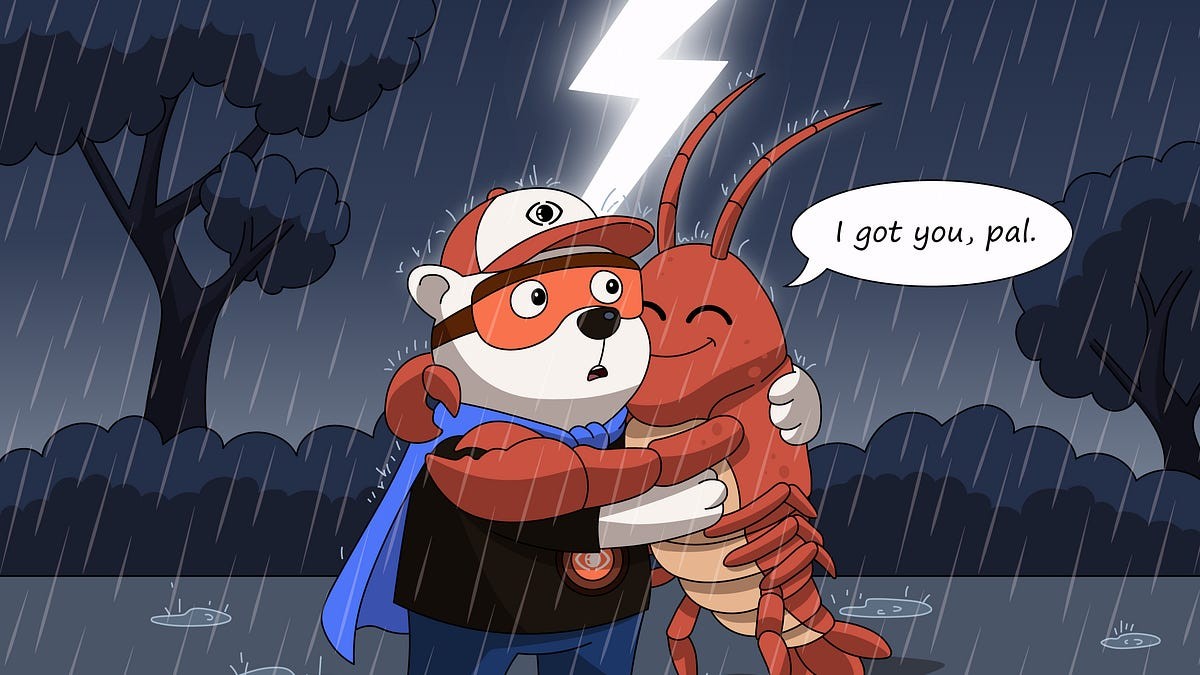
There are two popular prophecies in tech: either AI will replace SREs entirely, or SREs will be the only humans left. However, the reality of how AI impacts daily work and technical skills is much more nuanced and concerning.
- Routine incident response and alert management automation create a false sense of high productivity.
- Offloading log analysis and triage to AI leads to the gradual atrophy of core engineering skills.
- Junior engineers face the risk of never-skilling, failing to build foundational intuition from hands-on practice.
The ironies of automation in the age of AI
Back in 1983, cognitive psychologist Lisanne Bainbridge published a paper called Ironies of Automation. Her research showed that the more a system is automated, the more critical the human operator becomes when automation fails, yet the less practice they get to handle such crises.
Today, this exact pattern is replaying with AI agents in site reliability engineering. Artificial intelligence handles alert noise reduction, runbook execution, log pattern detection, and basic root-cause suggestions, leaving humans with only the most complex and novel failures.
Read alsoRuStore updates its gaming recommendation system with artificial intelligenceParallels in medicine and aviation
The phenomenon of AI-induced deskilling is not unique to IT and appears across various industries. Recent studies in medicine found that medical professionals using AI tools saw their unassisted performance drop because they stopped exercising their core diagnostic skills.
Similarly, aviation research shows that long-haul pilots relying heavily on autopilot experience a degradation in manual flying abilities and situational awareness, prompting regulatory bodies to mandate manual flight hours.
Skill degradation and the danger of never-skilling
SREs are stopping the practices of reading raw logs, forming hypotheses, and building mental models of system architecture. While this looks like a productivity win on dashboards, it quietly hollows out the deep expertise required when unexpected outages happen.
An even more concerning issue is never-skilling for junior engineers entering the field today. If AI handles most incident workflows from day one, opportunities to build foundational intuition and muscle memory through hands-on practice completely vanish.
What this means for engineering teams and businesses
For the technology sector, this trend highlights the critical need to rethink training pipelines and operational readiness. Companies must realize that over-reliance on AI assistants can leave teams unprepared when a novel, cascading failure hits the system.
Source: Hacker News: Front Page