AMD Grimlock processors to launch in 2029 with Zen 7 and RDNA 5+
AMD is reportedly planning Grimlock hybrid processors featuring Zen 7 architecture and RDNA 5+ graphics for a 2029 release.
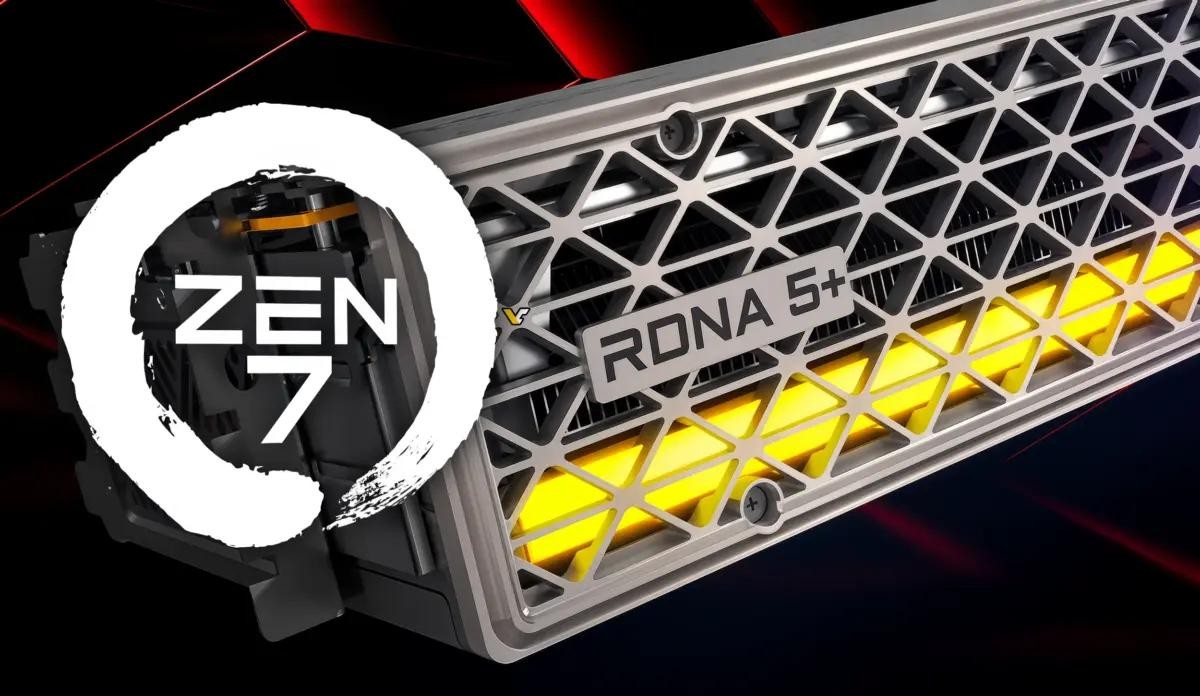
AMD has not yet released a single GPU based on the RDNA 5 architecture, but details about its successor have already emerged. Industry insiders report that instead of moving directly to RDNA 6, the company will introduce an intermediate architecture known as RDNA 5+.
Future hardware plans and hybrid processor architectures are beginning to take shape as insiders reveal roadmap details.
- The RDNA 5+ architecture will serve as an intermediate step rather than an immediate jump to RDNA 6.
- The RDNA 5+ graphics engine is expected to debut exclusively as an integrated GPU (iGPU) within AMD Grimlock processors.
- AMD Grimlock hybrid processors will be built upon the Zen 7 CPU architecture.
- The commercial release of the AMD Grimlock processor family is tentatively scheduled for 2029.
Details on the RDNA 5+ graphics architecture
According to hardware insider Kepler_L2, the RDNA 5 generation will be followed by RDNA 5+. It is possible that the company might also brand it as RDNA 5.5, following the naming convention previously established with solutions like RDNA 3.5 in mobile and hybrid segments.
Read alsonv-uefi-unlocker USB tool removes Nvidia GPU tensor limits on WindowsIndustry observers note that RDNA 5+ will likely be limited to integrated graphics implementations. Standalone discrete desktop graphics cards based on this specific intermediate architecture are probably not in the pipeline.
AMD Grimlock processors and Zen 7 architecture
The upcoming hybrid processors codenamed AMD Grimlock will incorporate the Zen 7 processor architecture. This combination of advanced compute cores and updated integrated graphics aims to deliver substantial performance leaps for future computing platforms.
The rollout of the Grimlock processor family is anticipated further down the road, with an estimated launch window around 2029. Such extended development cycles reflect the complexity of modern semiconductor manufacturing nodes and platform integrations.
Context behind the RDNA 5+ roadmap
The introduction of an RDNA 5+ architecture variant could stem from market strategies and partnership agreements. Recent industry data suggests that the baseline RDNA 5 graphics architecture might feature conditional exclusivity for Sony's upcoming hardware platforms.
Under such circumstances, RDNA 5+ would act as a viable alternative for other hardware manufacturers and PC vendors, allowing them to leverage advanced graphics features without colliding with exclusive arrangements.
Significance for the industry
Long-term roadmap disclosures highlight how foundational architectural planning extends well into the end of the decade. For technology enthusiasts and developers, these developments outline the trajectory of future computing power.
As the semiconductor market evolves, the integration of advanced CPU and graphics nodes in platforms like Grimlock will continue to redefine performance standards for desktop and mobile environments.
Source: iXBT.com