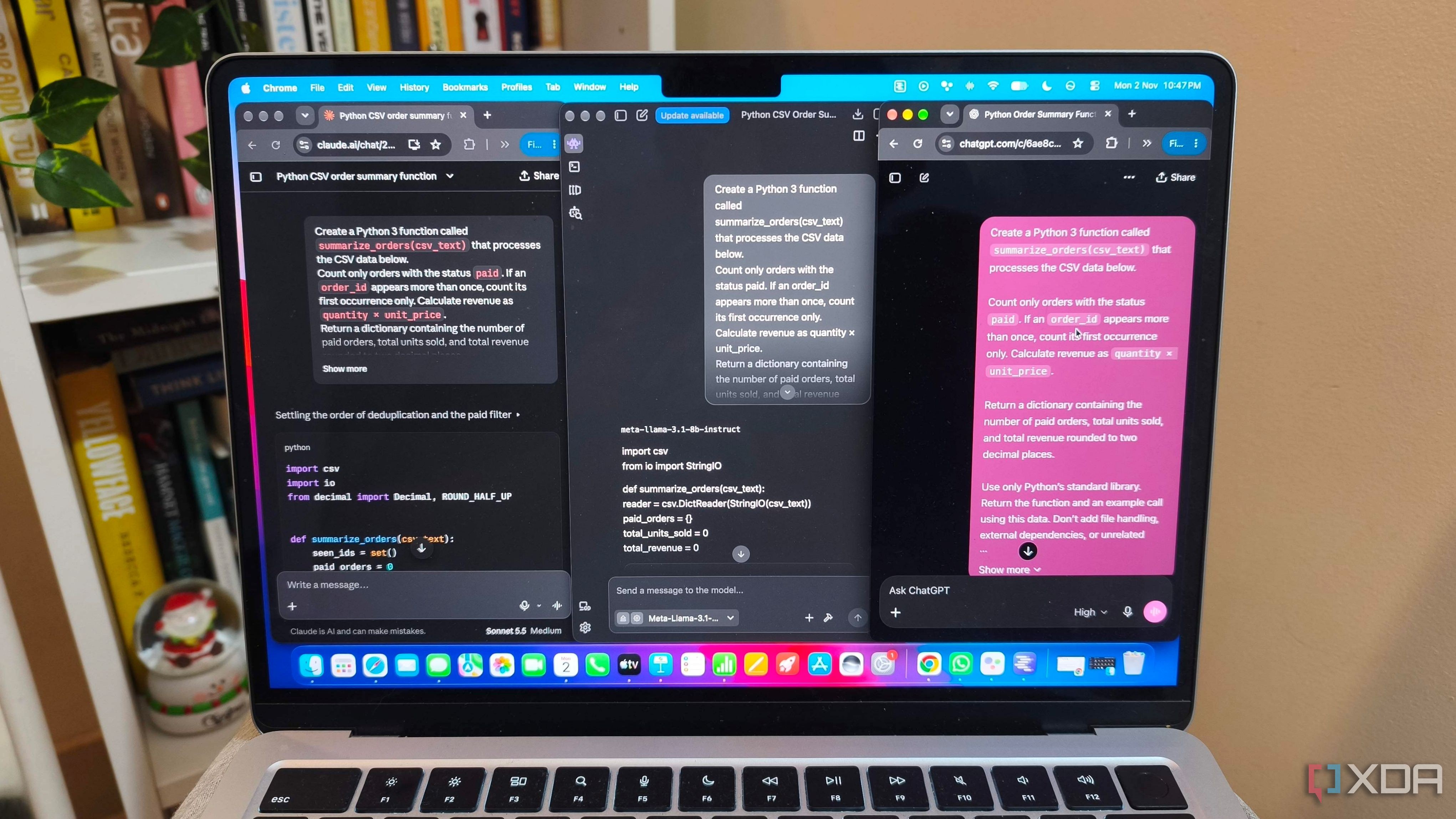
Anthropic assigns Claude to chip design amid market reaction
Anthropic has formed a hardware unit leveraging Claude AI models for chip design, sparking investor concerns and a dip in Synopsys and Cadence shares.
Anthropic has drawn investor attention to its new competitive advantage by integrating artificial intelligence into semiconductor design. The company has established a dedicated hardware engineering unit, which currently employs 15 specialists.
- Anthropic formed a 15-person hardware division to design silicon using AI.
- Claude models are being utilized to accelerate chip design and shorten engineering cycles.
- Following the news, shares of Synopsys and Cadence dropped by 2.5% and 4.5% respectively.
- OpenAI previously used internal AI systems to design the Jalapeño accelerator with Broadcom.
AI-Driven Semiconductor Design
The newly formed hardware team leverages Claude models to accelerate the creation of proprietary chips and reduce engineering timelines compared to traditional methods used by industry giants like Nvidia and AMD. Competition among developers of advanced AI models is intensifying as they strive to lower computing costs and shorten lengthy chip development cycles. Anthropic is not the first in this space: OpenAI previously utilized internal AI systems alongside Broadcom to complete the design of the Jalapeño AI accelerator in just nine months.
Market Reaction and Threat to EDA Giants
Read alsoAnthropic uses Claude to design its own custom AI chipsAlthough Anthropic has not yet announced commercial plans to release its chip design tools to the market, the emergence of such AI-native solutions poses a threat to established industry players. Recently, shares of Electronic Design Automation (EDA) leaders Synopsys and Cadence fell by 2.5% and 4.5% respectively. Investors have grown anxious that foundational AI model developers could disrupt the software and electronics testing sector, where projected revenue for the current fiscal year reaches $16 billion. Anthropic has previously approached EDA software vendors for proprietary datasets, though widespread adoption faces hurdles as chipmakers guard their intellectual property.
Implications for Partners and the Industry
Pursuing internal chip design could potentially spark friction between Anthropic and its primary financial backers, who have collectively invested around $90 billion while serving as key infrastructure and cloud partners. Relationships with tech giants such as Amazon, Alphabet, Nvidia, and AMD might become complicated, even though utilizing internal AI models could compress multi-year semiconductor roadmaps down to mere months.
Source: 3DNews: