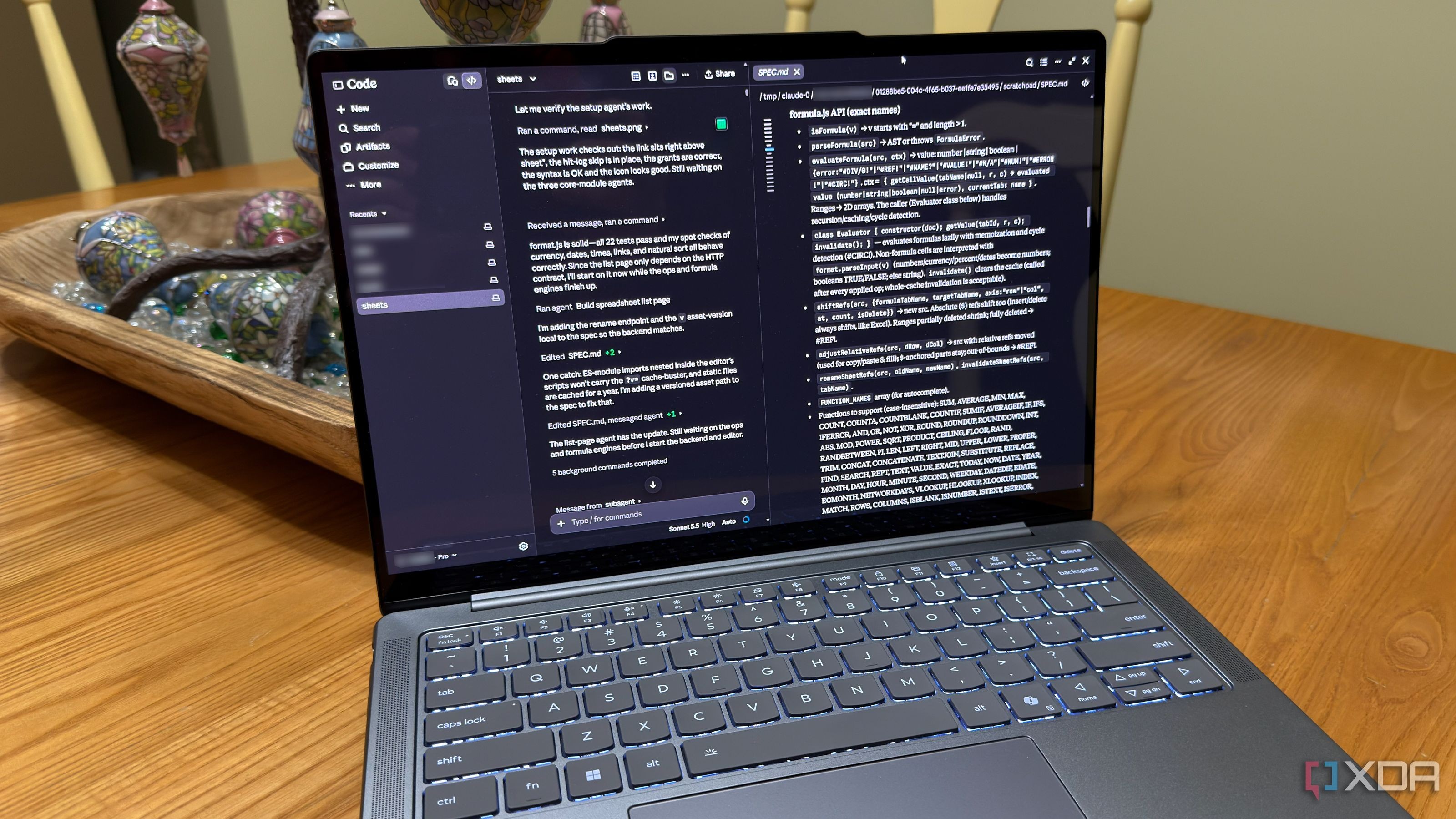
Anthropic uses Claude to design its own custom AI chips
Anthropic's engineering team is using the Claude AI model to design and engineer proprietary microchips, speeding up development.

Artificial intelligence is increasingly moving beyond software development to assist in hardware engineering. According to The Information, a team of 15 engineers at Anthropic is utilizing the Claude AI model to design and work on the company's proprietary microchips. The company disclosed this internal engineering initiative to potential investors during recent private meetings.
- A team of 15 Anthropic engineers is using Claude to design custom silicon processors.
- Engineers report that AI significantly reduces design time compared to traditional chipmaker processes.
- Anthropic first announced its intention to build custom accelerators back in August 2026.
- OpenAI also utilized its models to assist in building the Jalapeño inference chip with Broadcom.
Engineering Process and AI Efficiency
According to sources familiar with the matter, the team believes that Claude noticeably reduces engineering time compared to their estimates of traditional design workflows at major hardware manufacturers like Nvidia and AMD. However, these figures are based on internal team estimates rather than independent comparative benchmarks. The exact extent to which development has sped up and the specific design stages handled by Claude have not been publicly disclosed.
Multi-Chip Strategy and Custom Silicon
Read alsoClaude, ChatGPT and a local 9B model tested on 20 tasks: Which is worth paying forAnthropic initially announced its plans to develop specialized accelerators in August 2026. The company has been building an internal team dedicated to creating custom silicon designed to train and run future iterations of Claude more efficiently and rapidly. Despite this hardware push, Anthropic does not plan to completely abandon third-party hardware. The company currently utilizes accelerators from Amazon, Google, Nvidia, and AMD, positioning its custom chips as an additional component of a broader multi-chip strategy.
Industry Comparison and Testing
Using AI models for hardware design is becoming an emerging trend among top-tier AI developers. In the ChipAgents and Nvidia benchmark, which evaluates how effectively models can design chips, Claude Fable 5.1 achieved the highest score among participants, albeit reaching just 16.6%. Meanwhile, OpenAI also utilized its proprietary models during the development of Jalapeño—an inference chip built in partnership with Broadcom. Earlier model generations assisted with chip layout and startup, while newer versions helped optimize the hardware and write software for it.
Implications for the Tech Industry
The integration of AI into semiconductor design highlights a broader industry shift toward optimizing hardware creation timelines and reducing reliance on traditional supply chains. For the global technology sector, this trend promises more agile hardware development cycles tailored specifically for large language models. As tech giants continue to build proprietary silicon, the overall cost and efficiency of running advanced AI workloads are expected to improve significantly.
Source: Все новости подряд