AT&T and AST SpaceMobile successfully test satellite roaming on standard smartphones
AT&T and AST SpaceMobile successfully tested seamless switching between terrestrial cell towers and satellites without dropping calls.
AT&T and AST SpaceMobile have successfully conducted the industry's first seamless handover test between a terrestrial cellular network and a satellite network using standard mobile devices.
- The successful demonstration took place on October 21 using AST SpaceMobile's BlueBird satellites.
- Ericsson and Nokia provided core network solutions and mobility management software to minimize switching time.
- The technology aims to extend mobile coverage rather than replace traditional cell towers.
Details of the Historic Test
The demonstration on October 21 followed previous tests where BlueBird satellites enabled voice calls and text messaging on unmodified smartphones. The main challenge was to achieve a seamless handover between two networks using fundamentally different infrastructures.
Ericsson provided comprehensive radio and core network solutions along with intelligent automation systems, cutting switching times down to milliseconds. Nokia contributed radio access technologies and mobility software to ensure service continuity.
Read alsoMilitary explores commercial 5G networks for enemy drone defenseTechnology Behind BlueBird Satellites
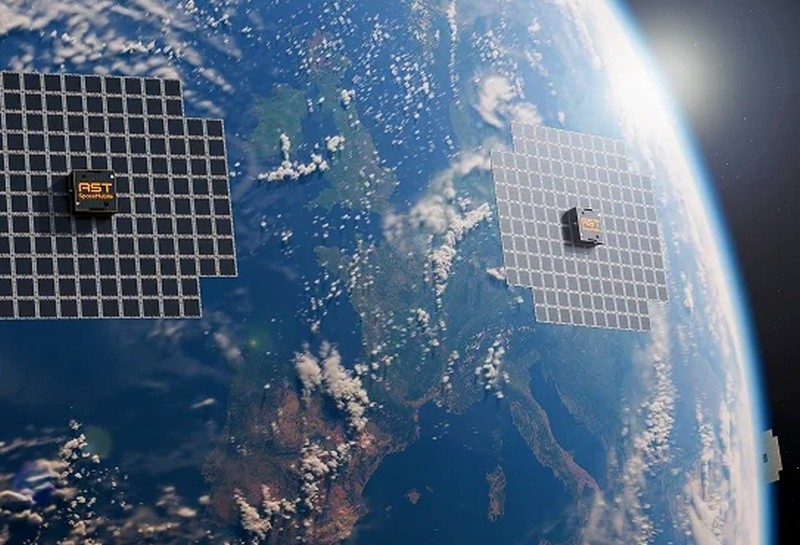
AST SpaceMobile is building the BlueBird satellite constellation designed to bring broadband 4G and 5G cellular connectivity directly to standard mobile devices. The satellites feature large onboard antenna systems capable of establishing links without specialized satellite terminals.
Ultimately, satellite connectivity is intended to function as an extension of existing mobile networks rather than a standalone service requiring manual activation or device modifications.
Industry Impact and Future Outlook
The satellite network is designed to complement existing wireless coverage rather than replace ground infrastructure. This integration will benefit customers in remote areas, drivers on highways, and emergency responders in disaster zones.
Despite the successful milestone, the technology is not yet ready for commercial rollout. AT&T announced that the next phase will involve real-world beta testing to evaluate reliability before full commercial deployment.
Source: 3DNews: