Military explores commercial 5G networks for enemy drone defense
NATO and telecom giants are testing commercial 5G towers and AI agents to sense, locate, and track drones for enhanced battlefield defense capabilities.
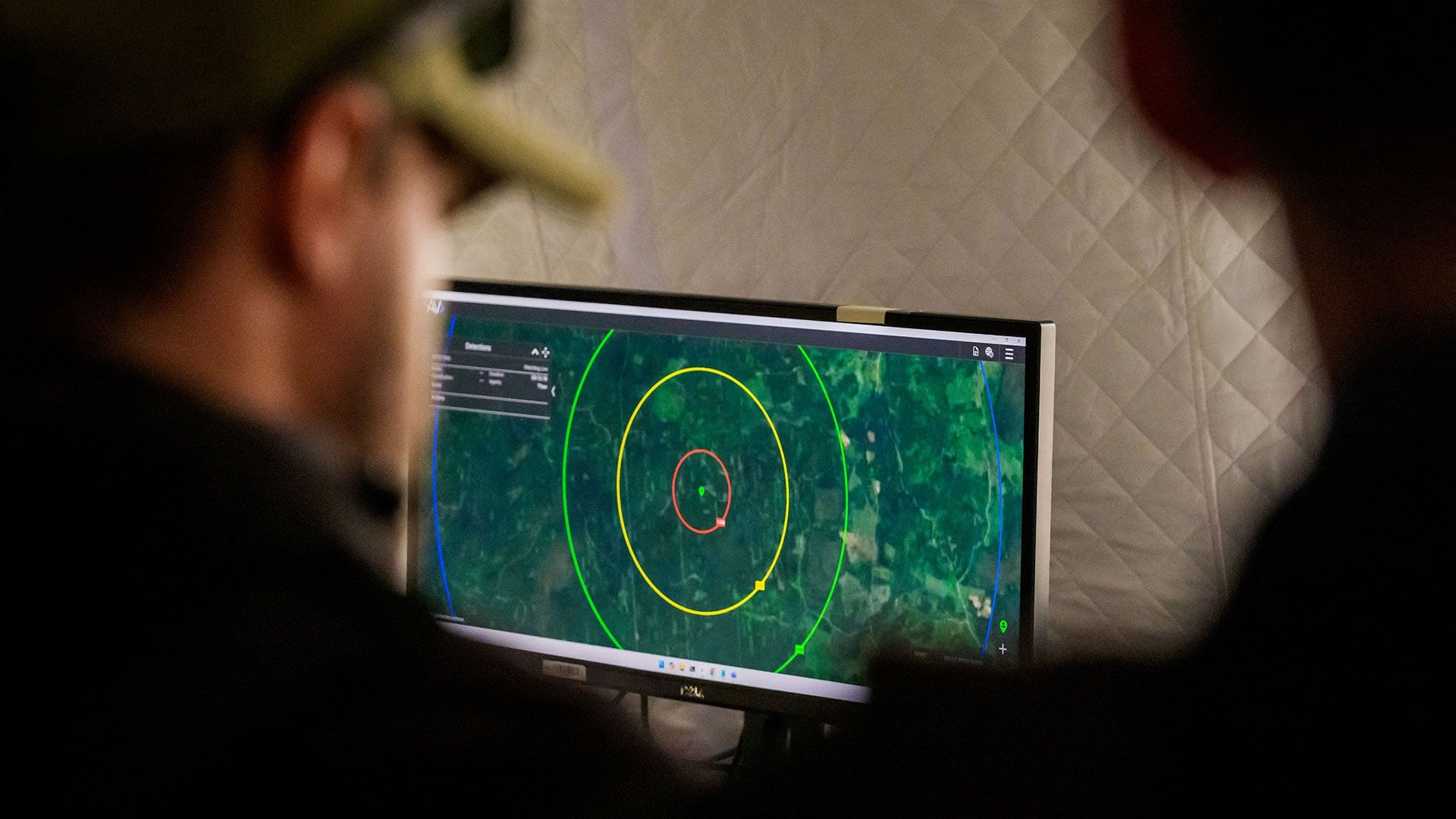
Military forces worldwide are increasingly exploring the use of commercial 5G communications infrastructure to enhance battlefield sensing and counter-drone capabilities. With drone warfare playing a critical role in modern armed conflicts, leveraging existing cellular networks presents a strategic opportunity to improve national security with minimal additional investments.
- The military is investigating the use of commercial cellular networks for passive drone sensing and tracking.
- NATO recently tested an AI-agent-assisted counter-drone system utilizing 5G masts during exercises in Latvia.
- In the U.S., AT&T and Ericsson demonstrated advanced network sensing to detect drones near a major stadium.
NATO Trials in Latvia and Agentic AI
Between October 19 and 30, NATO conducted a Digital Backbone Experimentation exercise known as DiBaX 2026 in Latvia, alongside allies including the United States, Canada, Germany, Finland, and Lithuania. The organization investigated whether existing 5G communication towers could passively detect and track flying objects such as drones to bolster national security and network resilience.
A key highlight of the NATO-tested solution was its design by AI agents. Admiral Pierre Vandier, NATO’s Supreme Allied Commander Transformation, noted that artificial intelligence successfully bridged interoperability barriers between previously incompatible systems—such as connecting a Maven system to a national system—in just a matter of hours.
Read alsoStack Overflow: reports of the platform death are greatly exaggeratedU.S. Demonstrations and 6G Horizons
Meanwhile, in the United States, AT&T and Ericsson demonstrated drone detection capabilities over a 5G network outside AT&T Stadium in Arlington, Texas. This demonstration served as an early preview of 6G technology, which officially integrates both telecommunications and advanced sensing capabilities into a single standard.
According to official reports, the system was capable of detecting, locating, and tracking multiple drones flying at altitudes between 300 and 400 feet within the coverage area. Public spaces and major sporting venues are primary targets for such low-altitude threat detection technologies due to security concerns.
Strategic Value and Defense Implications
With both experiments yielding promising results, piggybacking drone defense systems onto commercial 5G and 6G masts appears to be a highly practical approach for modern defense needs. However, defense analysts also point out potential vulnerabilities, as integrating critical military functions into widespread cellular infrastructure could make 5G towers even more attractive targets in conflict zones.
Source: Latest from Tom's Hardware