Autonomous vehicles 2026: why a massive new robotaxi boom is here
The autonomous vehicle industry is experiencing a second, larger wave driven by artificial intelligence, lower costs, and venture investments.
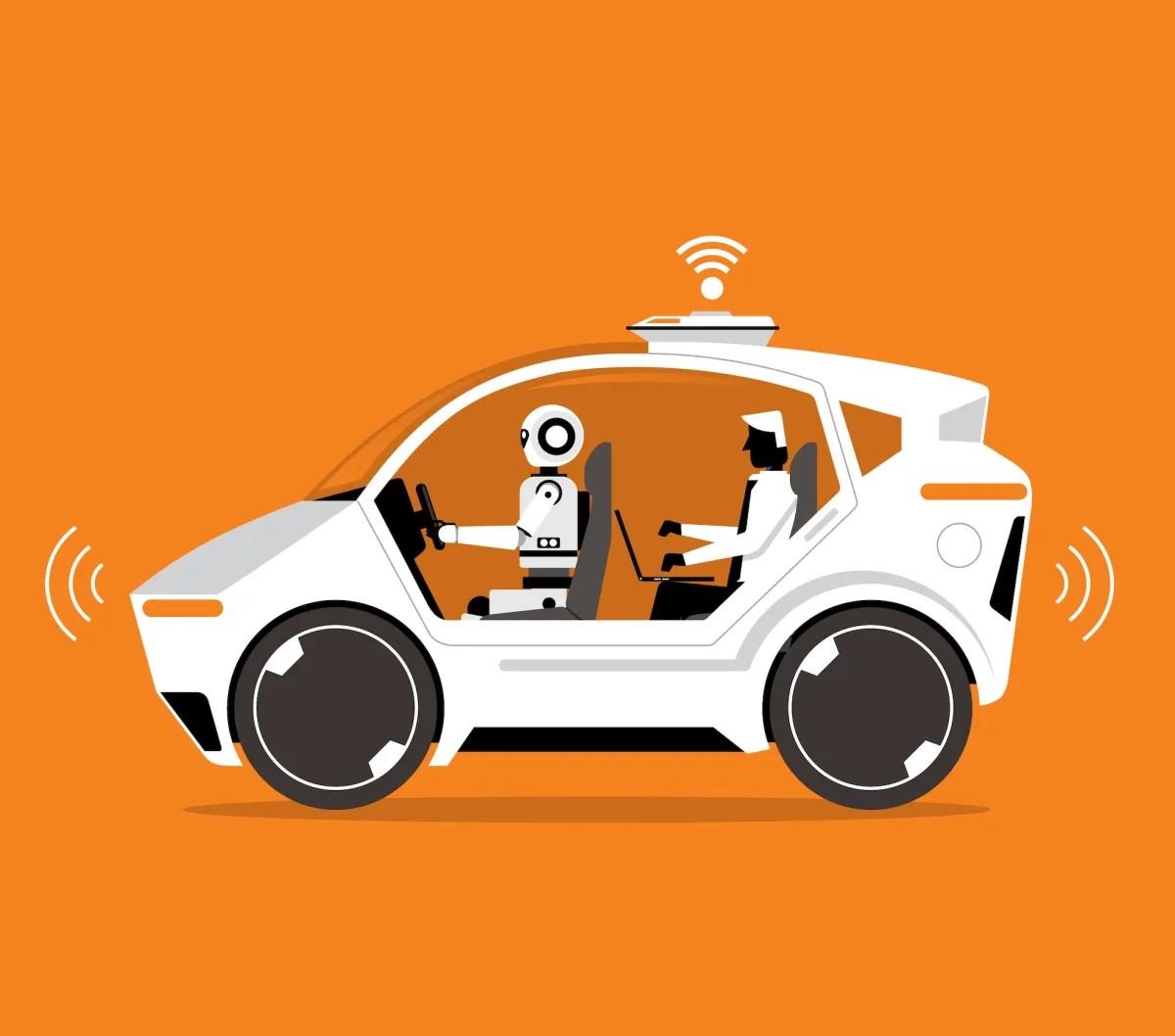
The autonomous vehicle industry is experiencing a surge in activity that many insiders compare to the peak enthusiasm of 2016 and 2017. However, current market indicators suggest that 2026 is turning out even hotter, fueled by major breakthroughs in artificial intelligence.
- Trucks VC received pitches from 81 new autonomous vehicle startups in 2026, two-thirds more than the previous year.
- Foundational AI models and open-source systems like Nvidia Alpamayo have made end-to-end architectures much easier to deploy.
- The barrier to entry has lowered dramatically, with startups launching within months on less than $1 million.
The Driving Force of Artificial Intelligence
For years, companies struggled to transition from early AV architectures to sophisticated end-to-end systems. Today, foundational models excel at generalizing across diverse environments, making autonomous systems cheaper and faster to deploy. The availability of powerful open-source models has further lowered the barrier for early-stage founders.
Interestingly, a growing number of incoming startups are focusing purely on robotaxi businesses, positioning themselves as direct competitors to market leaders like Waymo. Experts believe that smaller, niche autonomy companies can successfully carve out space by competing in specific regions or targeted routes.
Read alsoRivian Q3 Earnings, Waymo Toyota Partnership, and Ford Fathom V2H NewsIndustry Investments and Strategic Partnerships
The broader market is seeing massive financial backing alongside startup growth. Re:Build raised $2.1 billion to expand its industrial manufacturing capabilities, while Bedrock Robotics secured $600 million in a funding round valuing the startup at $4.1 billion. Meanwhile, Waymo and Toyota formalized a manufacturing partnership to build AV-ready vehicles in Japan.
Other major players are also evolving. Rivian is expanding its multi-billion-dollar joint venture with Volkswagen Group to incorporate AI assistants, and Kodiak AI signed a binding commercial agreement to deliver 75 driverless trucks to DTL Transport starting in 2028.
What This Means for the Technology Sector
This second wave of autonomy signals a mature yet rapidly accelerating shift in transportation technology. With lower entry barriers and foundational AI models paving the way, the industry is moving closer toward widespread commercial deployment of autonomous logistics and robotaxi services.
Source: TechCrunch