Blue Origin delays next launch of New Glenn heavy rocket
Blue Origin has postponed the next flight of its heavy-lift New Glenn rocket from December 2026 to January 2027.

American aerospace company Blue Origin has decided to postpone the upcoming launch of its heavy-lift New Glenn rocket. Originally scheduled for December 2026, the flight is now pushed back to January 2027.
- Launch postponed from December 2026 to January 2027;
- New Glenn is a 98-meter-tall two-stage heavy rocket with a 45-ton payload capacity;
- Propulsion system explosion in May 2026 damaged Space Launch Complex 36.
Schedule Adjustment Details
Back in October, Blue Origin founder Jeff Bezos stated that the flight would take place before the end of the current year. However, representatives of the company described the schedule shift as a minor adjustment, emphasizing that returning New Glenn to flight status remains their top priority.
Technical Specifications of New Glenn
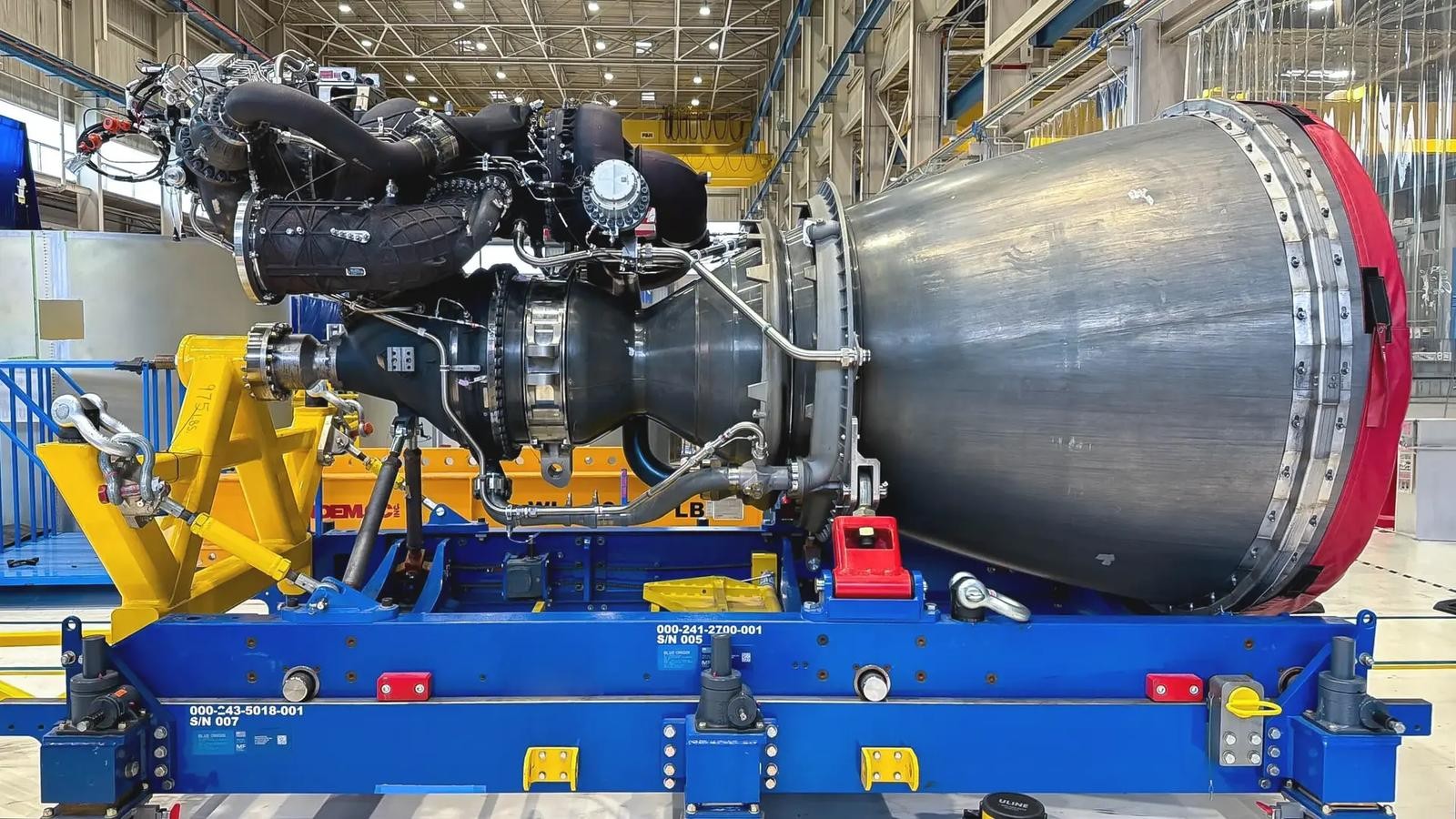
Read alsoBlue Origin unveils 122-meter New Glenn rocket and new third stageTo recap, the inaugural launch of this heavy-lift rocket took place in January 2025. New Glenn is a two-stage vehicle standing approximately 98 meters tall featuring a reusable first stage powered by seven BE-4 engines running on methane and liquid oxygen. The second stage utilizes two BE-3U engines powered by liquid hydrogen and oxygen, designed to lift up to 45 metric tons into low Earth orbit.
Consequences of the May Incident
The schedule revision follows major setbacks encountered in May 2026 when Blue Origin experienced a severe explosion during propulsion system testing. According to American media reports, the incident significantly damaged Launch Complex 36 at Cape Canaveral Space Force Station in Florida.
Impact on NASA Programs
Such technical delays and infrastructure damage could create ripple effects for the company's broader timeline commitments. Most notably, these setbacks might influence Blue Origin's scheduled participation and delivery milestones within NASA's critical lunar exploration initiatives.
Source: iXBT.com