Boom Supersonic faces delays for Overture and loss of data center deal
Boom Supersonic faces uncertainty as the Overture airliner faces potential delays and a key partner cancels a $1.25B power turbine deal.
·2 min read
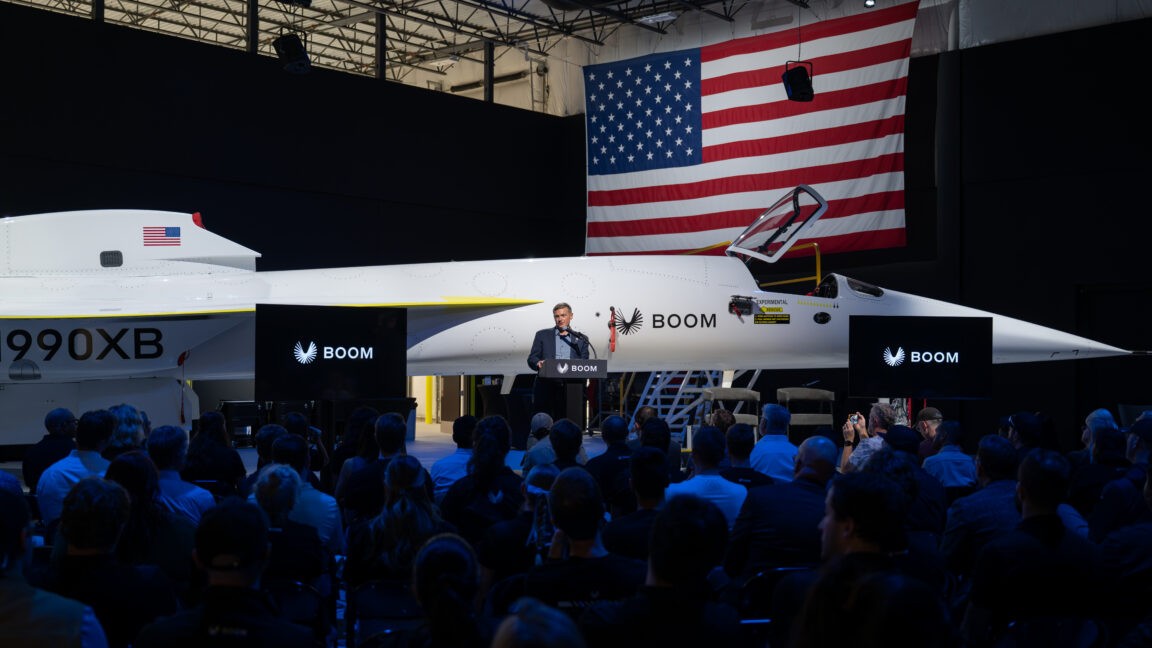
Boom Supersonic, the company aiming to bring back supersonic commercial flight, is navigating a period of turbulence. As the firm pivots toward powering AI data centers with natural gas turbines, it faces skepticism regarding its airliner delivery timeline and the loss of a major industrial contract.
- United Airlines CEO has cast doubt on the 2029 delivery date for the Overture supersonic jet.
- A $1.25 billion deal with Crusoe to supply 29 turbines for data centers has been terminated.
- The company's North Carolina factory for aircraft production has largely remained dormant.
- Boom is banking on the "Sprint Core" technology to bridge the gap between aviation engines and industrial power.
The Overture Delivery Timeline Despite Boom's official 2029 target, skeptics within the aviation industry are growing louder. Scott Kirby, CEO of United Airlines, explicitly stated that the target is unrealistic and that the project will take longer than initially projected. With the Federal Aviation Administration (FAA) yet to certify the aircraft and significant technical hurdles remaining, the prospect of commercial supersonic travel in this decade remains uncertain.
Pivoting to Data Center Power Seeking a new revenue stream, Boom has expanded into manufacturing "Superpower" natural gas turbines for AI-driven data centers. However, this diversification hit a snag when Crusoe, a major data center developer, backed out of a massive $1.25 billion turbine deal. CEO Blake Scholl remains optimistic, citing upcoming deliveries for other undisclosed sites, but the loss of such a foundational client raises questions about the company's industrial market adoption.
Market Implications The situation surrounding Boom Supersonic serves as a case study for the risks inherent in deep-tech hardware ventures. For industry observers, the synergy between their "Symphony" aviation engine and the industrial "Superpower" turbine is the critical test. Whether Boom can effectively balance its aerospace ambitions with the intense energy demands of the AI sector will determine the long-term viability of both business segments.
Source: Ars Technica - All content