SpaceX successfully reuses Falcon 9 booster for the 18th time
SpaceX has completed another Falcon 9 launch with 27 Starlink satellites, marking a record 18th flight for the B1093 booster.
·2 min read
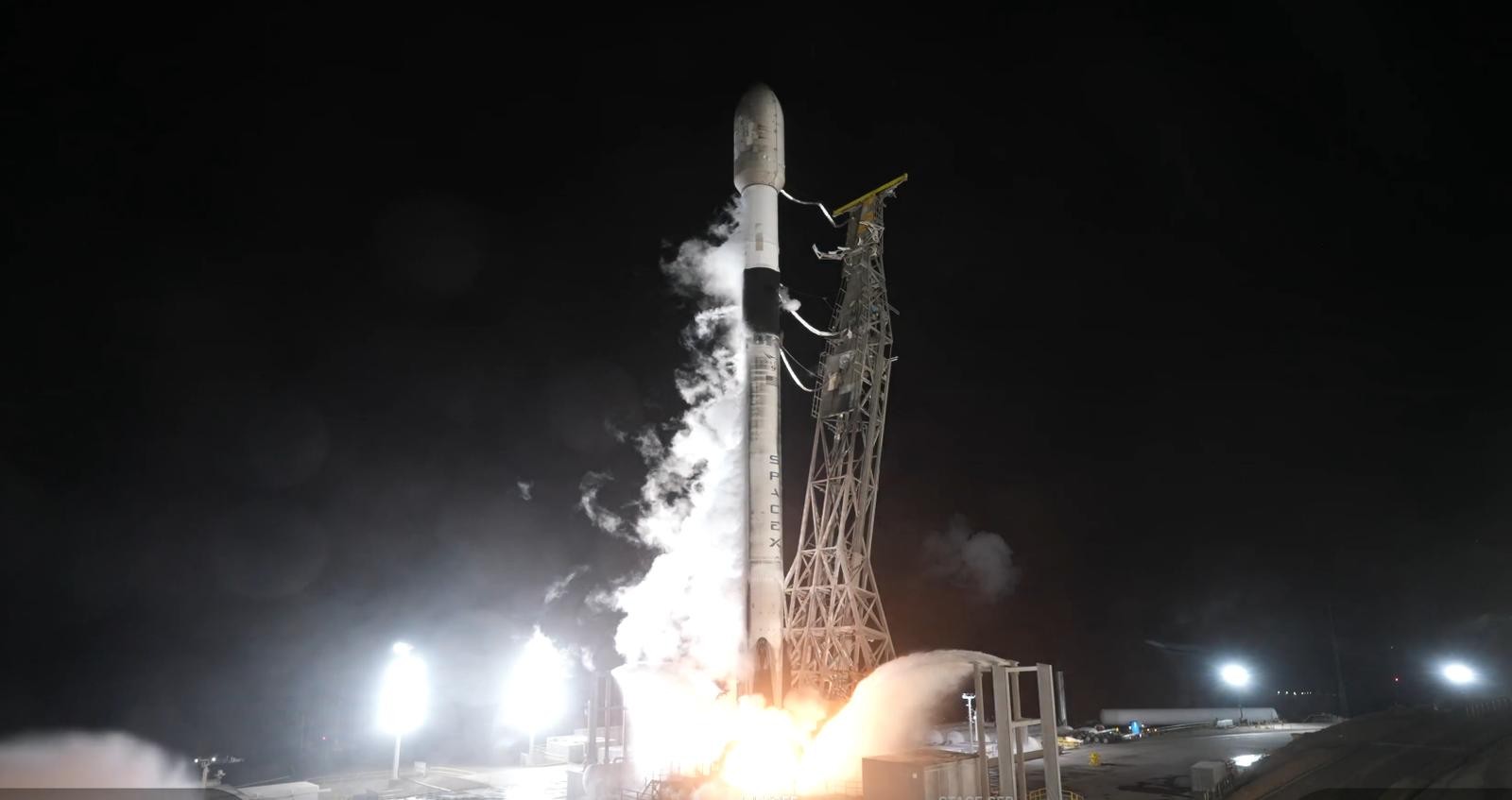
SpaceX has successfully launched its Falcon 9 rocket from the SLC-4E pad at Vandenberg Space Force Base in California. The mission successfully deployed 27 Starlink satellites into orbit.
- Mission success: 27 Starlink satellites successfully reached orbit.
- Milestone achievement: Booster B1093 completed its 18th flight.
- Recovery status: The booster landed safely on an autonomous drone ship.
- Atmospheric effects: Sonic booms were reported by residents in nearby counties.
A Milestone for Reusability The B1093 first-stage booster has set a significant milestone by completing 18 missions. Previously, this hardware played a critical role in missions such as SDA-T1TL-B, SDA-T1TL-C, and Transporter-16. This level of flight cadence is a testament to the reliability and durability of SpaceX's reusable rocket technology, which remains unmatched in the aerospace industry.
Launch Logistics and Recovery Following the separation from the second stage, the booster performed a precision landing on the 'Of Course I Still Love You' autonomous drone ship stationed in the Pacific Ocean. This capability to recover and rapidly refurbish hardware is the cornerstone of SpaceX's business model, significantly lowering the cost per launch for global satellite connectivity projects.
Sonic Booms and Public Impact During the landing sequence, the descent of the first stage caused sonic booms heard by residents in Santa Barbara, San Luis Obispo, and Ventura counties. These sounds are a natural consequence of the booster breaking the sound barrier and can vary in intensity based on local weather conditions, highlighting the scale of these orbital operations.
Implications for the Tech Industry For the global tech sector, SpaceX's ability to reuse hardware at this scale means more affordable access to space. As satellite networks like Starlink become increasingly vital for global internet infrastructure, the success of the B1093 mission illustrates the importance of efficient engineering in driving down costs and accelerating innovation for satellite-based connectivity services worldwide.
Source: iXBT.com