Claude Code, Codex, and Antigravity: Android App AI Test
The author challenged Claude Code, OpenAI Codex, and Google Antigravity to build an Android app from scratch and picked the only winner.
AI coding tools are getting exceptionally good at turning text prompts into fully functional applications. To test how well they handle complex mobile development, three major AI agents were challenged to build the exact same Android app called GearVault.
To ensure a fair test, the default model for each tool was used: Claude Opus 5.5 in Claude Code, GPT-6 Astra in Codex, and Gemini 3.8 in Google Antigravity. No model switching or manual prompt tuning was applied during the single-shot experiment.
- A detailed prompt specified a Material 3 interface, gadget inventory, and local storage.
- Each agent had complete creative freedom over layout, colors, and navigation.
- Testing was conducted on Pixel 8 and Galaxy S25 Ultra devices.
- The goal was to build a polished, production-ready Android app without human intervention.
OpenAI Codex: A Solid Choice with Minor Flaws
OpenAI Codex delivered a positive first impression with a refreshing light green color scheme and clean dashboard layout. The dark theme implementation and animations worked well, earning it a solid 7 out of 10 score.
Read alsoDeepSeek Super-Agent: new AI coding agent challenges Claude CodeHowever, the core Vault section felt a bit too basic, and Codex generated a square app icon that looked out of place on standard Android home screens. It built a functional app, but lacked premium polish and fine details.
Google Antigravity: Modern Design Met with Frustrating Bugs
Google Antigravity took a different path with a light blue color scheme, making the interface look clean and modern at first glance. Navigation felt intuitive and initial features worked as expected.
Unfortunately, things fell apart during actual usage as frustrating bugs appeared. Some device listings failed to open, and tapping the Dashboard tab occasionally did nothing, making the app unreliable.
Claude Code: The Undisputed Winner of the Experiment
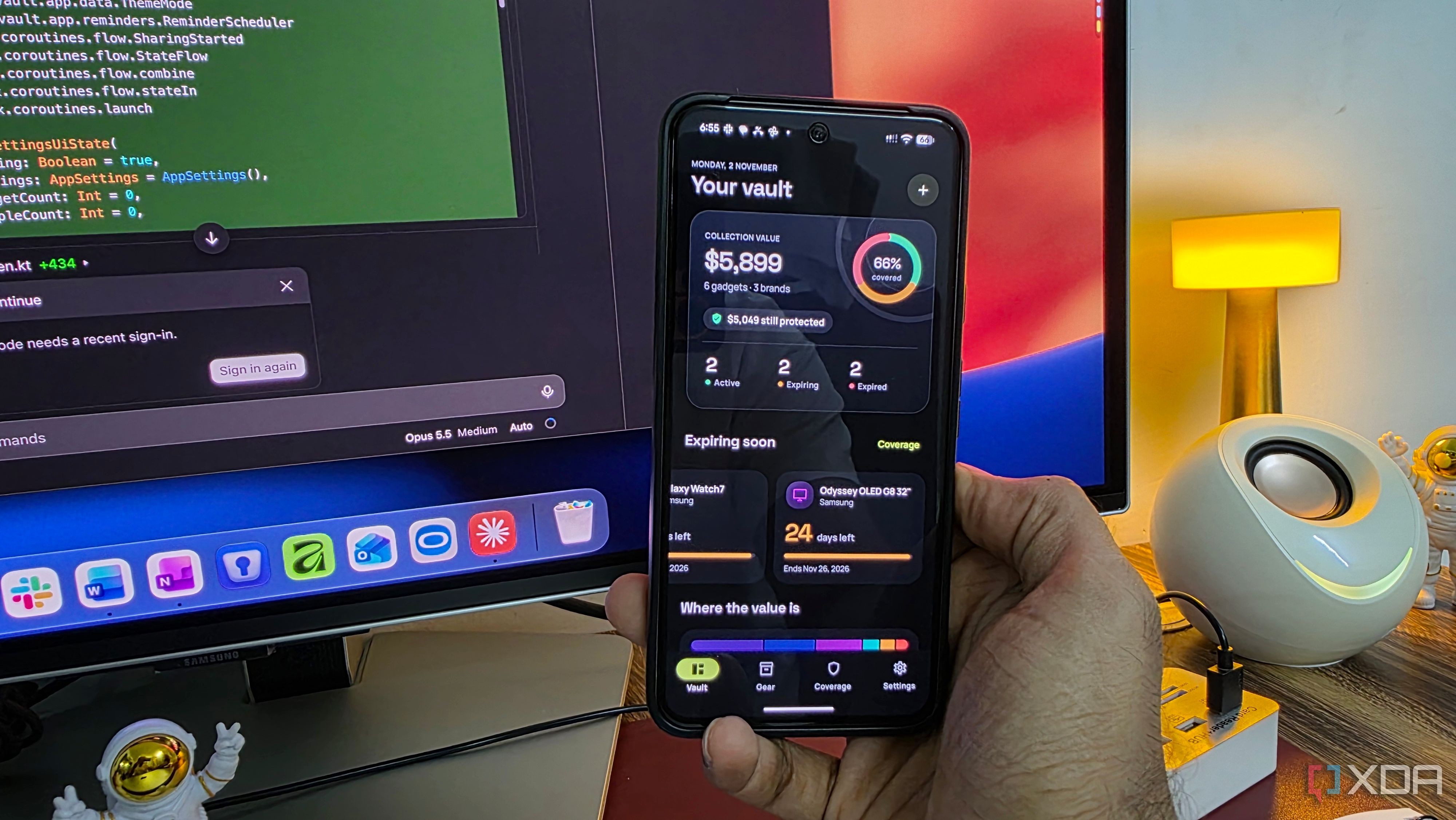
Claude Code immediately stood out by creating a gorgeous Vault section with a dark background, colorful elements, and a live total value counter for the gadget collection. It even included thoughtful micro-interactions like a shrinking plus icon during scrolling.
The gradient-themed interface featured attractive cards, excellent spacing, and proper icon generation. It was the only app from the experiment that the author actually wanted to keep on their personal phone.
What This Means for Mobile Development
Building an Android app using artificial intelligence is no longer an extraordinary feat, but creating an app worth using remains a challenge. While all coding agents successfully generated code, only Claude Code delivered true usability and polish.
Source: XDA