Court allows lawsuit against xAI to proceed over Colossus data center
A federal judge rejected xAI's motion to dismiss an environmental lawsuit brought by the NAACP over gas turbines at the Memphis data center.
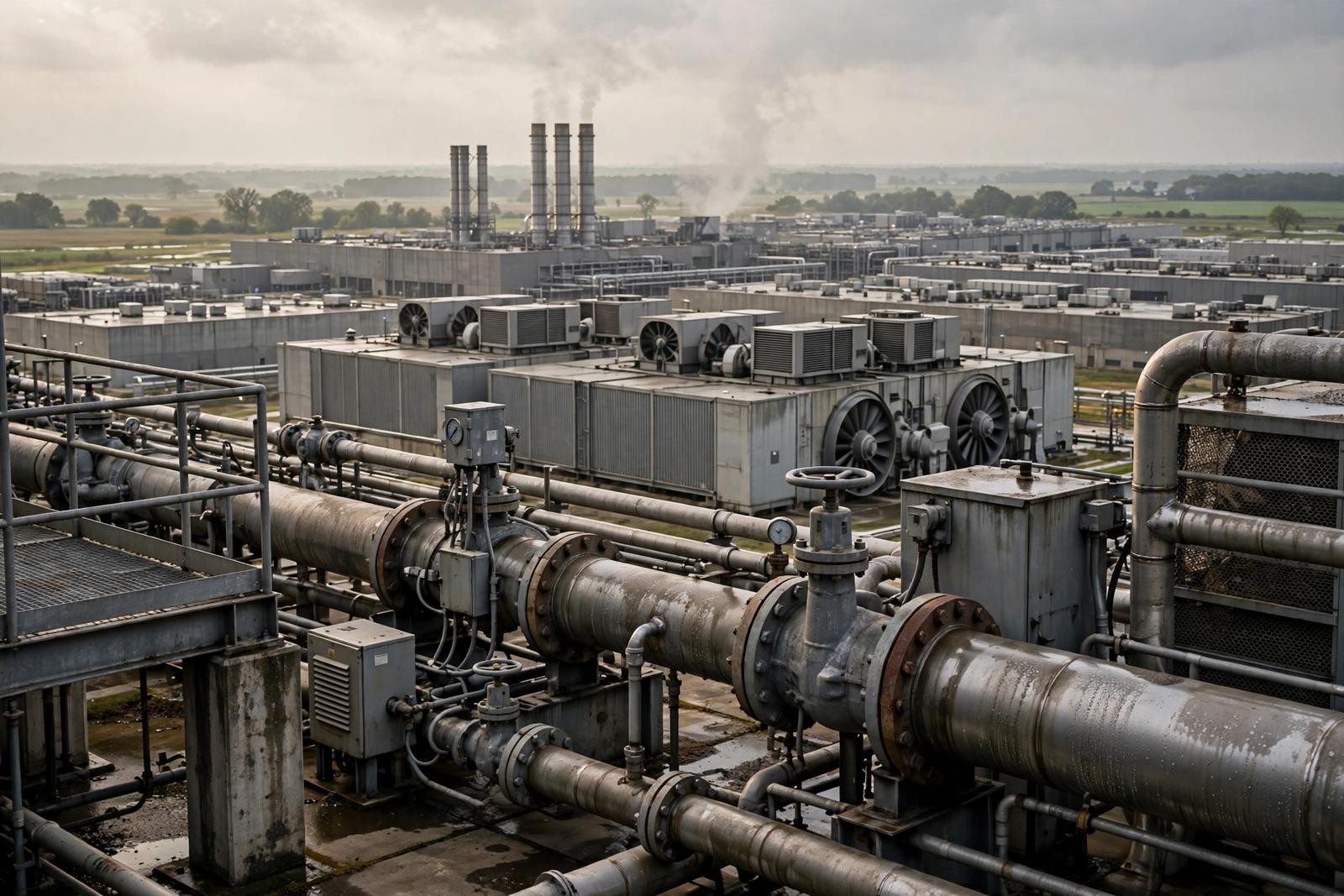
Federal Judge Debra Brown has denied xAI's motion to dismiss a lawsuit filed by the NAACP regarding air pollution and the operation of gas turbines near the Colossus data center outside Memphis. The organization accuses the company of operating pollution sources without required permits, meaning the legal proceedings will now move forward.
- The NAACP accuses xAI of operating at least 35 gas turbines without permits
- The lawsuit is based on alleged violations of the United States Clean Air Act
- The court rejected xAI's argument that the turbines qualify as mobile emission sources
- Previous dismissal requests from xAI and the US DOJ were also rejected by courts
Background of the environmental dispute
According to the NAACP, at least 35 gas turbines and other air pollution sources were installed and operated at the Colossus facility without obtaining the necessary construction or operating permits. The lawsuit was filed with the support of the Southern Environmental Law Center and alleges direct violations of the federal Clean Air Act.
xAI had previously attempted to dismiss the case by arguing that the turbines should be classified as mobile emission sources, thus exempting them from stationary permit requirements. The company also challenged the plaintiffs' legal standing to sue. Judge Debra Brown rejected both arguments, ruling that the plaintiffs have standing under the Clean Air Act and that the turbines are not mobile sources under Mississippi's implementation plan.
Read alsoElon Musk admits that Grok costs more to run than it brings inLegal arguments and court findings
The court additionally addressed xAI's argument that citizen and organizational lawsuits against environmental violators are unconstitutional. Judge Brown pointed out that in such cases, plaintiffs act on their own behalf to seek compensation for harm directly inflicted upon them, rather than usurping the executive enforcement powers of the federal government.
NAACP environmental justice director Abre' Conner hailed the decision as another victory in holding xAI accountable for its environmental footprint. Earlier in November, the court also declined a similar motion filed by the US Department of Justice, underscoring the ongoing legal pressure surrounding the massive facility.
Broader context for AI data center expansion
This lawsuit progresses amid mounting public and regulatory resistance to the rapid construction of massive data centers across the United States. New York recently enacted a moratorium on new facility construction, while other states and local municipalities weigh similar restrictions.
While today's ruling does not establish legal liability or guilt on the part of xAI, it ensures that the NAACP's core allegations will be evaluated on their merits in court. This sets a significant precedent for how rapidly expanding artificial intelligence infrastructure interacts with environmental laws.
Source: iXBT.com