SpaceX loses bid to dismiss lawsuit over xAI data center pollution
Court rejects SpaceX's argument that xAI data center turbines in Mississippi are exempt from air permits as mobile sources. NAACP lawsuit moves forward.
SpaceX has suffered a setback after losing a lawsuit aimed at stopping Clean Air Act requirements for the turbines powering xAI's Colossus 2 data center in Southaven, Mississippi. A judge rejected the company's motion to dismiss the case, allowing the National Association for the Advancement of Colored People (NAACP) to proceed with the legal action. The court rejected xAI's argument that its gas turbines fall under the 'mobile sources' category, exempting them from standard air permitting requirements.
Qisqacha: - SpaceX lost a legal bid to dismiss an NAACP lawsuit over air pollution from xAI's Colossus 2 data center in Mississippi. - The court rejected arguments that the gas turbines qualify as mobile equipment exempt from Clean Air Act permits. - Environmental groups warn the facility could emit over 5,000 tons of nitrogen oxides and 47 tons of formaldehyde annually. - The Memphis facility aims to host around 860,000 Nvidia GB300 GPUs across four buildings by the end of the year.
Environmental concerns and emissions
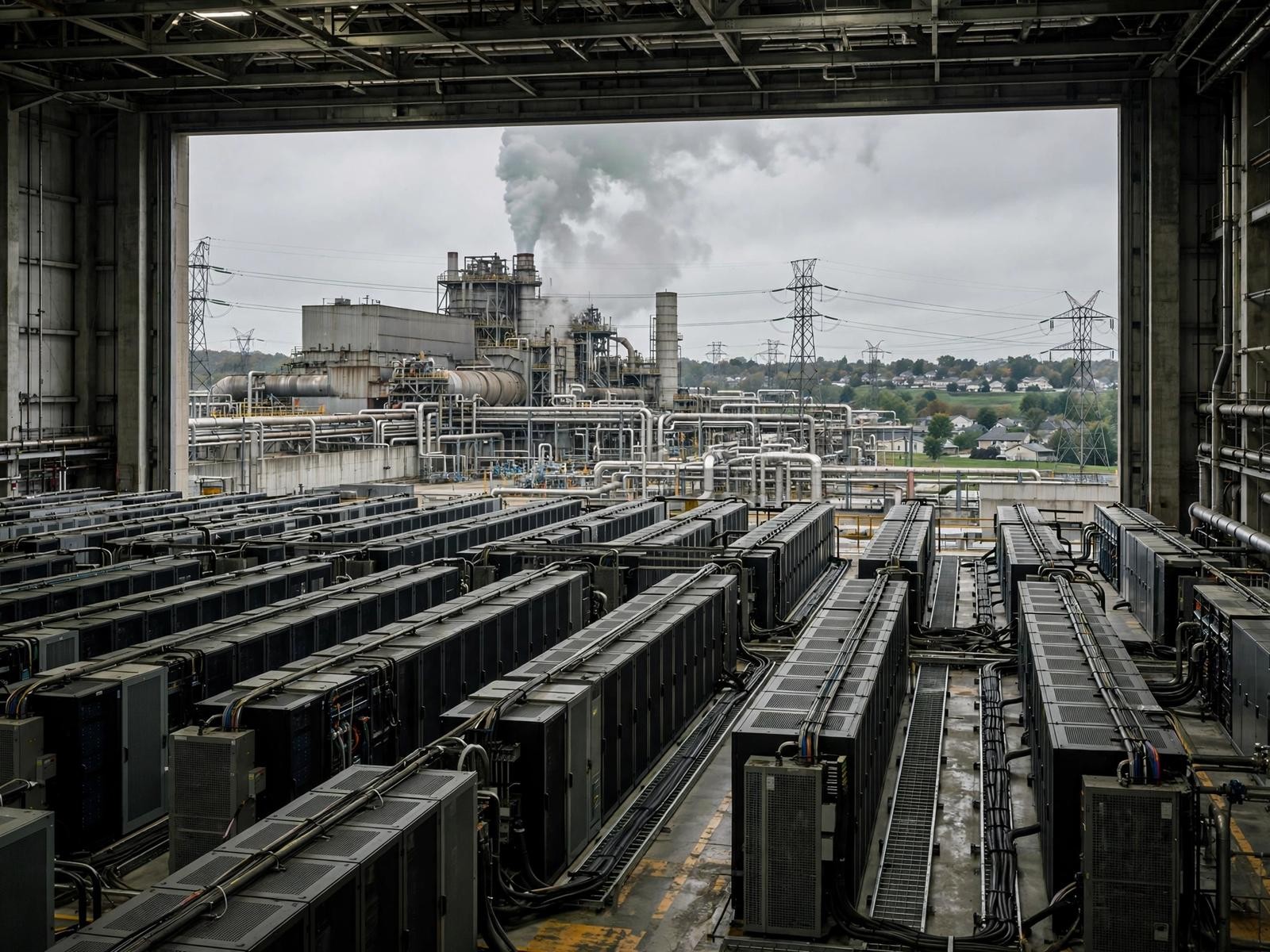
Brought by the NAACP and environmental groups, the lawsuit accuses xAI and subsidiary MZX Tech of installing 27 gas turbines last year without obtaining required environmental permits. Applicants argued that the equipment pollutes the environment with nitrogen oxides and fine particulate matter, creating health hazards for local residents. The Southern Environmental Law Center noted that the plant could potentially emit over 5,000 tons of nitrogen oxides, 400 tons of particulate matter, and 47 tons of cancer-causing formaldehyde annually.
Earlier, the company stated it would remove unpermitted generators and replace them with a larger, permitted power plant, though that transition could take at least a year. The latest setback follows other rejected attempts by xAI and the Department of Justice to halt the lawsuit. Meanwhile, SpaceX has started manufacturing turbine blades in-house to accelerate generator production for its data centers.
Read alsoSpaceX plans to launch orbital data centers by 2027The massive scale of Colossus 2
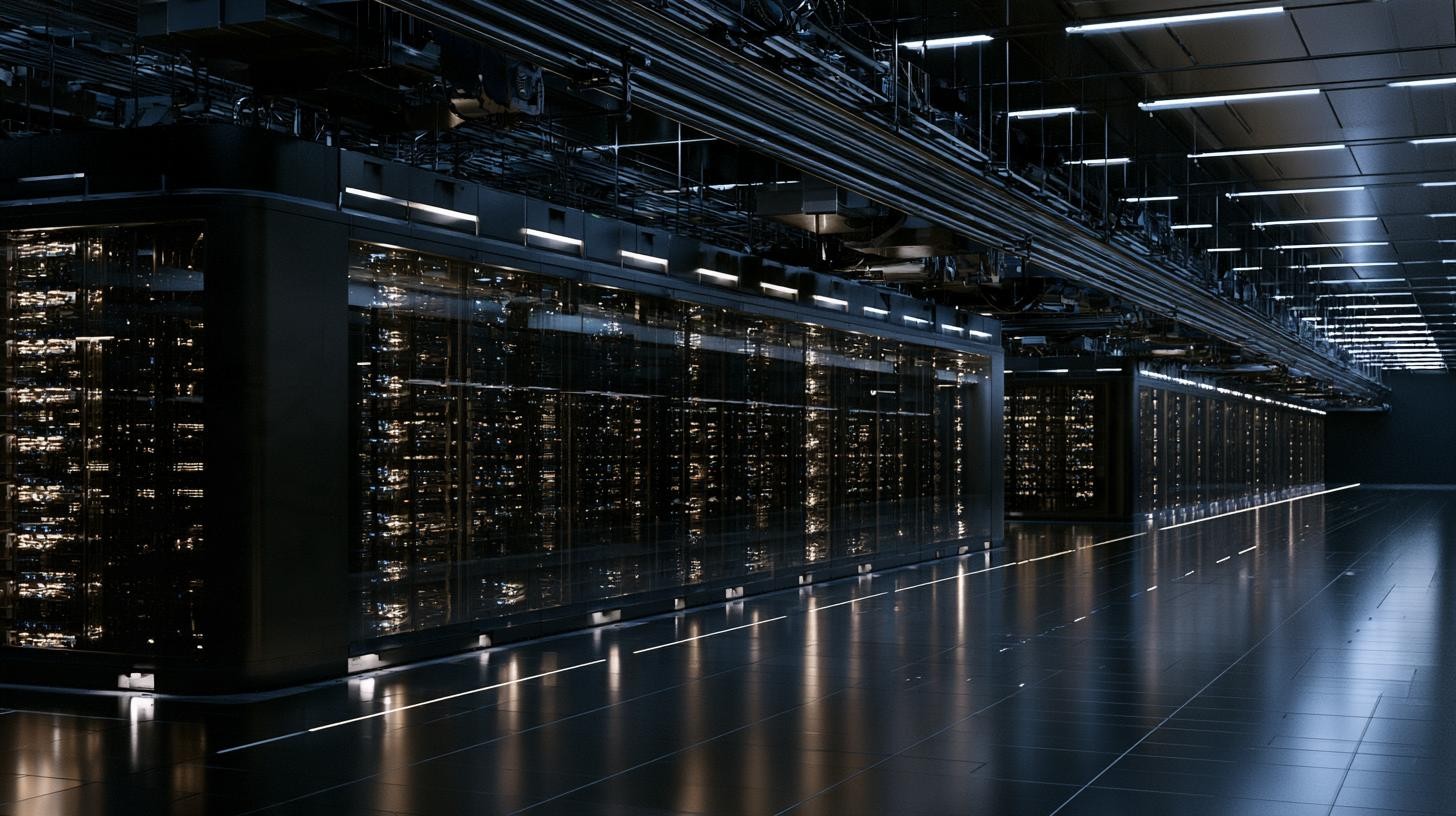
The Colossus 2 project in Memphis has rapidly scaled up, initially installing 59 natural gas turbines in July and sparking immediate environmental concerns from nearby communities. According to Elon Musk, the facility is tracking toward roughly 860,000 Nvidia GB300 GPUs across four buildings—Macroharder, Minihard, Gun Range, and Spam—with a total of around 1.2 million Blackwell chips expected by the end of the year, configured for both heavy AI training and inference workloads.
Implications for tech infrastructure
The hyper-fast deployment of massive AI data centers is increasingly clashing with strict environmental regulations and local community pushback in the United States. While infrastructure speed remains critical for Elon Musk's AI ambitions, mounting legal battles over gas-powered generation threaten to slow down expansion plans and establish strict precedents for future tech infrastructure compliance across the industry.
Source: Latest from Tom's Hardware