
The hidden chip compromise lurking in today's flagship smartphones
Cut-down flagship chips could save you money. But are you getting a bargain or less than you paid for?
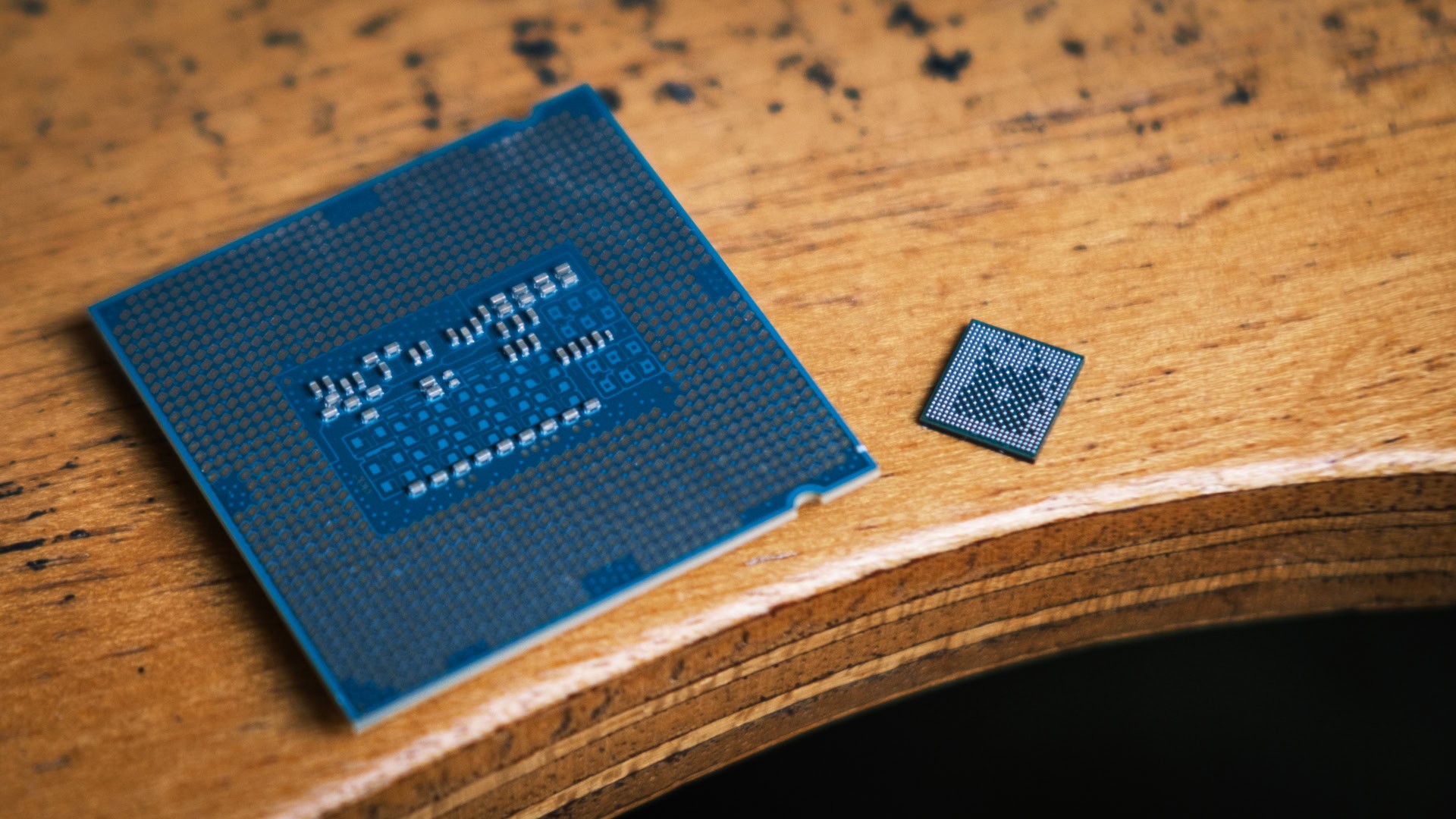
In today's market of premium smartphones priced at $1,000 and above, a subtle yet significant trend is emerging that often goes unnoticed by everyday consumers. Manufacturers are increasingly utilizing cut-down or modified flagship processors to manage production costs and keep final device pricing competitive.
According to reports from Android Authority, buyers often believe they are purchasing a top-tier flagship device, only to find a compromised processor hidden beneath the surface. This raises important questions about transparency and whether consumers are truly receiving the value they pay for.
While hardware compromises are not entirely new in the tech industry, the rising cost of smartphones makes these silicon differences much more impactful. These modified chips often feature reduced power efficiency or lower graphics performance, which can subtly affect daily usage and demanding tasks alike.
For tech enthusiasts and consumers in Uzbekistan and the wider region, this trend highlights the importance of looking beyond marketing claims. When investing in expensive mobile devices, understanding the exact processor variant and its specifications is becoming crucial for making an informed purchase.
Ultimately, while these hidden compromises might offer slight financial relief to manufacturers, they often leave users with less capability than expected. Thoroughly researching device internals and expert reviews remains the best defense against paying flagship prices for compromised hardware.