GPU supply crisis and memory price surge will last until 2030
AI data centers are driving a severe GPU and memory shortage, with component prices and supply constraints expected to persist until 2030.

The global consumer electronics industry is facing a severe component crisis driven by the rapid expansion of artificial intelligence data centers. As chipmakers redirect their manufacturing resources to support the booming AI sector, everyday consumers and PC builders are left dealing with skyrocketing prices and severe shortages.
- According to JP Morgan, DRAM prices are projected to surge by 400 percent by the end of 2026 compared to 2024.
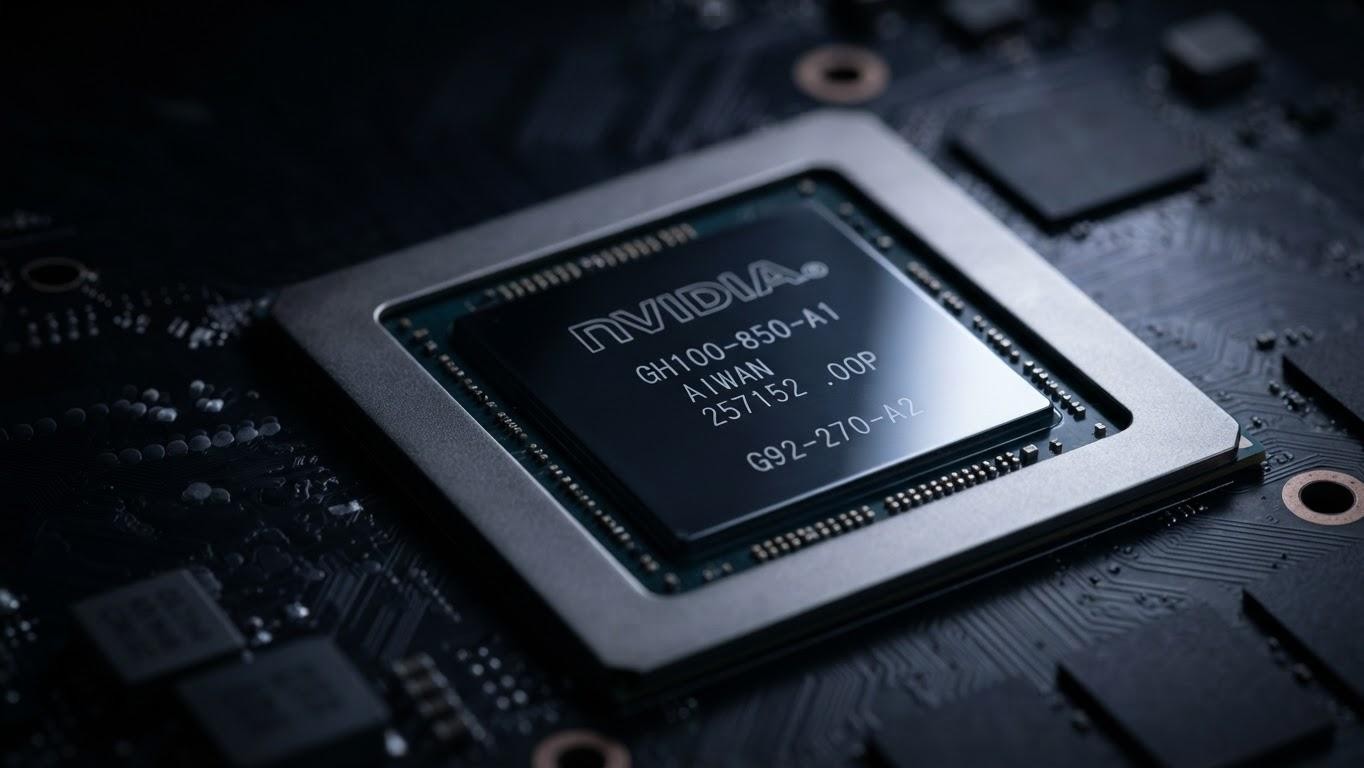
- Nvidia's flagship consumer GPU, the GeForce RTX 5090, retails significantly above its initial $1,999 launch price.
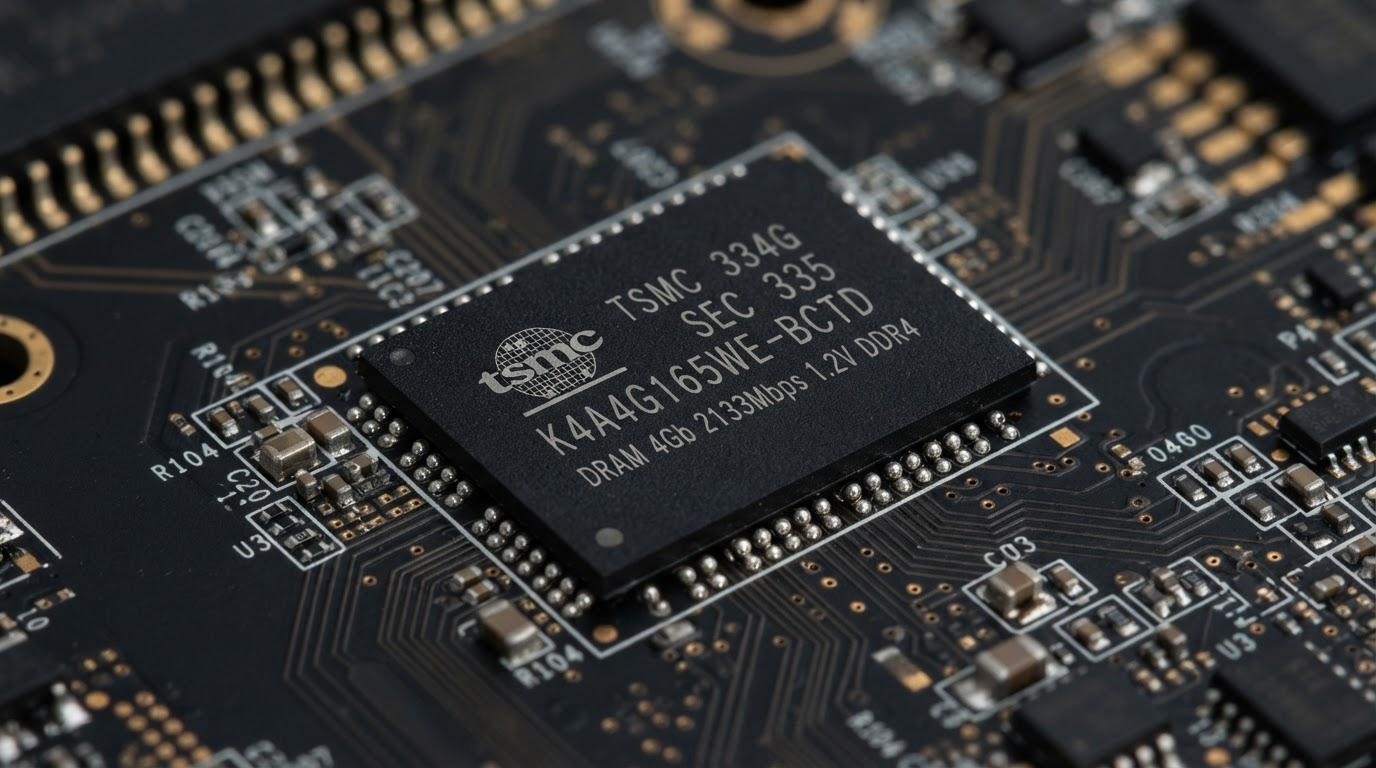
- Micron, Samsung, and SK Hynix control roughly 90 percent of global DRAM production and are prioritizing AI data centers.
- Industry leaders warn that supply constraints and high prices will likely extend into the 2030s.
The core of the crisis: The unstoppable demand for HBM
AI developers require massive amounts of high-bandwidth memory (HBM) to train and run complex models, creating an intense competition for wafer capacity. Because HBM yields roughly 30 percent higher profit margins than traditional DRAM, manufacturers have steadily shifted their production lines toward advanced AI memory. Furthermore, the industry's ongoing transition to advanced generations like HBM4 and HBM4E has temporarily restricted overall memory output.
Market concentration and bleak executive forecasts
Read alsoTSMC denies exploring 3D DRAM production at Nvidia's requestThe memory market is highly concentrated, with just three companies—Micron Technologies, Samsung Electronics, and SK Hynix—accounting for about 90 percent of global production. All three major players expect tight supplies to persist. Micron CEO Sanjay Mehrotra noted that supply will remain much tighter through 2027 and 2028, while SK Hynix executives have warned that upcoming quarters could represent the worst period in the industry's history regarding component availability.
Economic impact and long-term market outlook
The cascading effects of the GPU and memory shortage have driven up prices for laptops, video game consoles, and software accessories, contributing to an unusual drop in PC shipments. Major suppliers have already pre-sold the vast majority of their output capacity for upcoming years at significantly elevated prices. While a few industry optimists speculate about potential supply influxes later in the decade, most experts agree it will take several years to bridge the gap between supply and demand.