TSMC denies exploring 3D DRAM production at Nvidia's request
TSMC has officially denied reports that it is exploring 3D DRAM manufacturing at Nvidia's request to address global memory shortages.
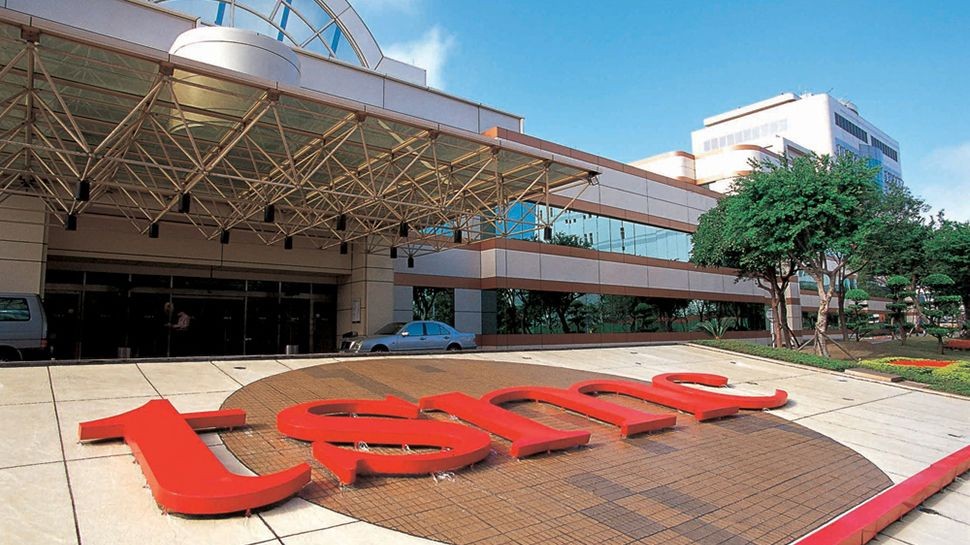
TSMC has firmly denied recent media reports suggesting that the foundry is exploring 3D DRAM production at the request of its largest customer, Nvidia. The initial report claimed that surging demand for AI hardware was straining global supplies and prompting Nvidia to seek out TSMC for advanced memory manufacturing solutions.
Key Takeaways - TSMC stated it is a pure-play logic foundry and plans to remain focused on its core business. - Reports from industry insiders had suggested advanced packaging VP Hsu Kuo-chin was overseeing the initiative. - Industry experts note TSMC lacks the specialized expertise and fabrication capacity required for DRAM production.
A TSMC spokesperson emphasized to tech media that the company's core business is dedicated IC foundry, aimed at being a trusted technology and capacity provider for the global logic IC industry. This essentially serves as a direct denial of the rumors regarding any active 3D DRAM development plans within the foundry.
Despite the denial, sources indicated that Nvidia had pushed for the initiative as memory shortages turned into a critical bottleneck for AI hardware shipments. 3D DRAM stacks memory cells vertically to drastically increase wafer capacity, an advanced architecture currently pursued by major memory makers like Micron, Samsung, and SK hynix.
Manufacturing Challenges and Market Risks Building 3D DRAM requires entirely different fabrication techniques compared to logic manufacturing, focusing on layer-by-layer defect control and yield maintenance. TSMC currently lacks a competitive planar DRAM process technology, making a direct jump to 3D memory extremely challenging without massive research and development investments.
Read alsoTSMC considers entering advanced 3D DRAM memory manufacturingFurthermore, entering the memory market would expose TSMC to severe cyclical risks, including potential oversupply and price volatility. Such a move could also jeopardize partnerships with established memory giants like SK hynix and trigger intense scrutiny from antitrust regulators over vertical integration concerns.
Alternative Strategies for Advanced Memory Rather than spending billions to build dedicated memory fabs from scratch, TSMC can capitalize on the AI memory boom through other means. The company can leverage its advanced packaging capabilities, SoIC hybrid bonding technology, and logic base dies for HBM products.
This approach allows TSMC to capture significant value from the memory market without undertaking the immense financial and operational risks of developing competitive DRAM manufacturing processes on its own.
Source: Latest from Tom's Hardware