GTA VI and Nvidia DLSS 5: Gamers experiment with console enhancements
Gamers are using a capture card and open-source software to apply Nvidia DLSS 5 frame generation to console-exclusive Grand Theft Auto VI.
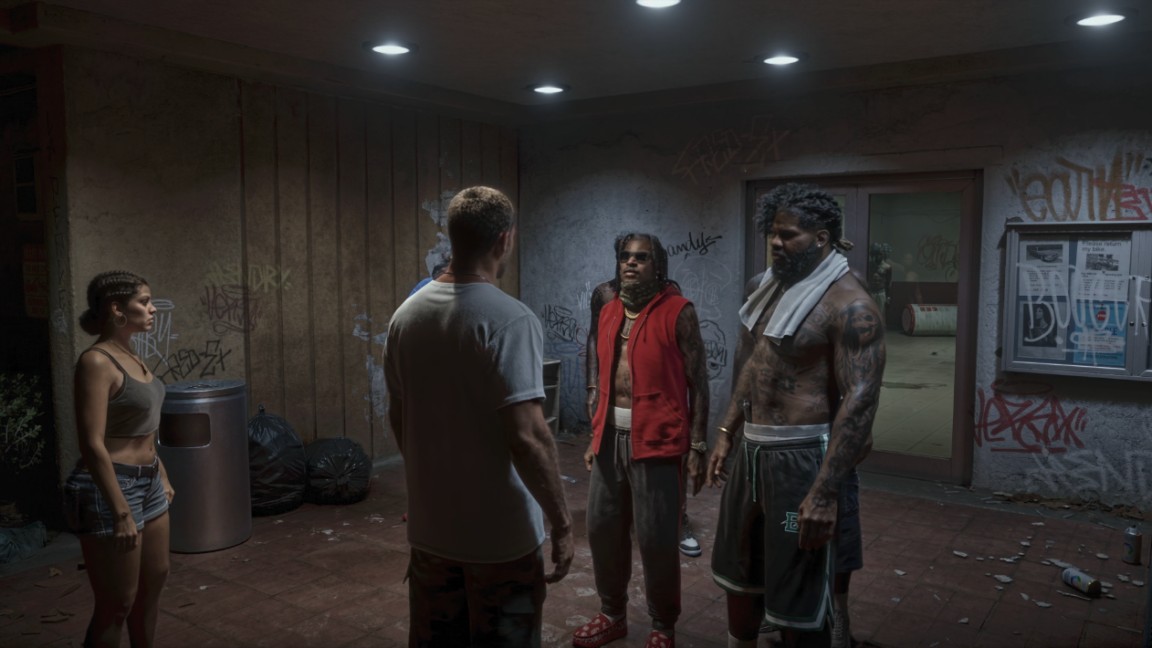
Grand Theft Auto VI is not officially available on PC yet, but gamers are exploring unconventional ways to bring Nvidia's DLSS 5 neural rendering technology to the PlayStation 5 version. The process involves routing console output through a powerful PC to enhance visuals in real time.
- The setup uses a 4K capture card, PS5, and open-source Veyra software.
- DLSS 5 frame generation boosts the game from 30 FPS to 90 FPS.
- The goal is to sharpen background details and improve shadow quality.
- Major drawbacks include increased input latency and potential visual artifacts.
The Veyra approach to AI upscaling
By passing the console's video signal through a PC equipped with a capable Nvidia GPU, users are attempting to mimic high-end PC gaming performance on a console. The open-source tool Veyra processes this feed, applying AI-powered neural rendering. While this allows for impressive graphical tweaks like better light scattering and cleaner edges, it is inherently limited by the constraints of a non-native implementation.
Performance trade-offs and latency
Read alsoRevolut moves 2000 engineers to self-hosted GLM: 90% cost cutWhile the AI upscaling provides sharper images, it comes at a cost. The extra processing steps involved in capturing and outputting the video can introduce noticeable input lag. Although 11 ms of added delay is claimed by some, many find that real-time interaction in a fast-paced game like GTA VI makes such latency trade-offs difficult to justify, despite the visual gains.
Implications for the gaming community
For enthusiasts who own both a PS5 and a high-end PC, this workaround offers a glimpse into what a 'boosted' GTA VI could look like before the official 2027 PC release. However, for most players, the complexity of the setup—combined with the inherent risks of visual glitches—makes it a niche experiment rather than a practical solution for general console gaming.
Source: Ars Technica - All content