Meta and Fourier develop Max humanoid robot prototype
Meta has partnered with China's Fourier to build the Max humanoid robot prototype. Work on the second generation has already started.
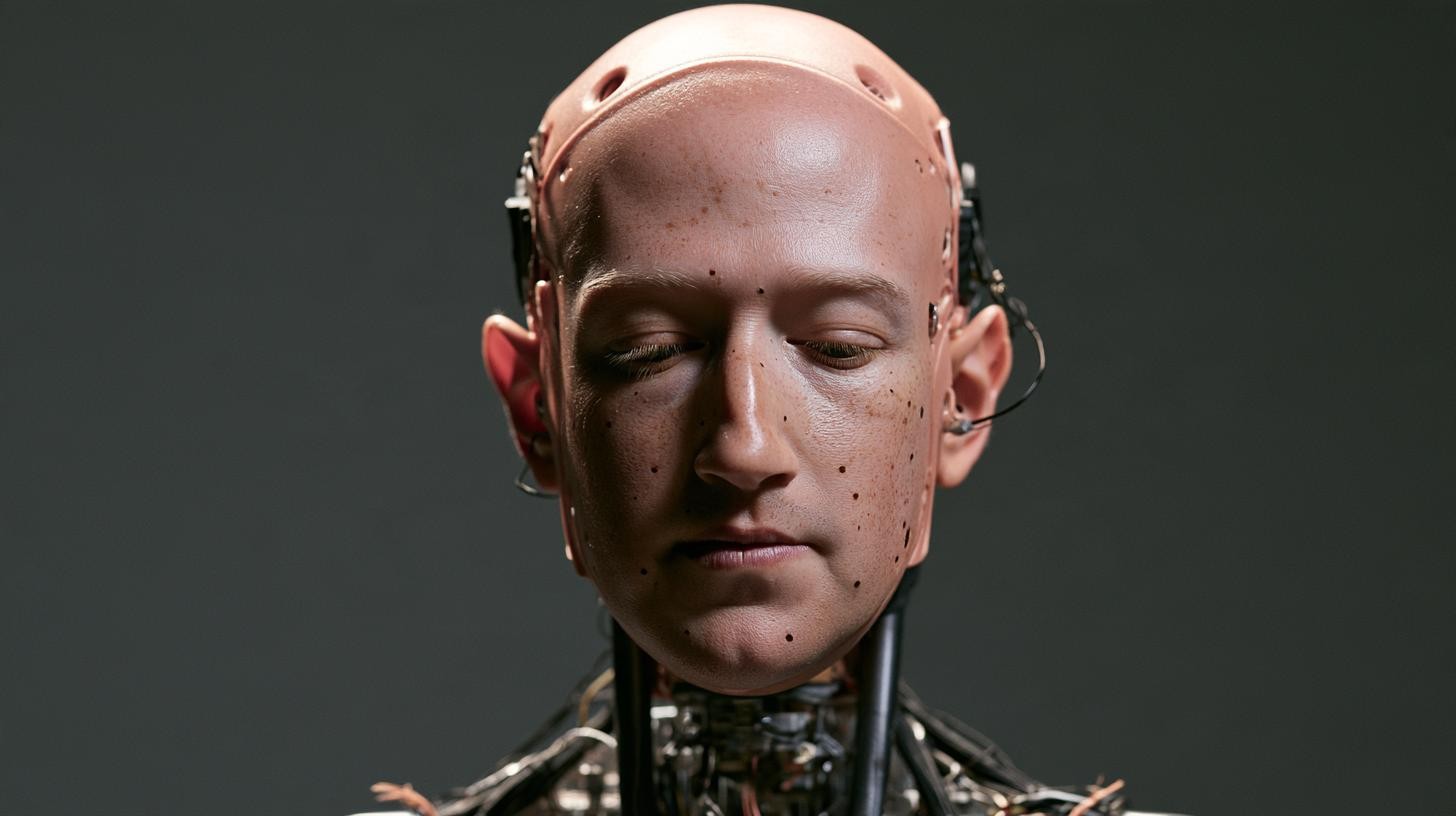
Meta, in partnership with Chinese robotics manufacturer Fourier, has developed a humanoid robot prototype named Max and has already begun working on its second generation. The creation of the first version took about three months, and the company views it as the foundation for a more advanced home robot.
- Meta and Fourier collaborated to build the Max prototype in approximately three months.
- The robot stands 1.5 meters tall, weighs 48 kg, and runs on the Nvidia Jetson Thor platform.
- Development of the updated Max 2 version with improved hands and a projector started in September.
- The humanoid platform is viewed as a physical embodiment of the Muse AI agent for individual users.
Technical features of the Max robot
The Max prototype stands about 1.5 meters tall and weighs around 48 kilograms. It is powered by the Nvidia Jetson Thor computing platform. The robot is equipped with two chest speakers, can reproduce human facial expressions using its eyes and mouth, maintains eye contact, and recognizes voices from up to five meters away.
Cameras and sensors allow the robot to read gestures at a distance of up to three meters, while its five-fingered manipulators can pick up small bottles and toys. Meta's VP of Robotics, Li-Qian Miller, spent nearly two months working at the Fourier plant in Shanghai, and the prototype was shown to company employees in late August.
Read alsoWhatsApp announces new features including Group Status and message pinningDevelopment plans for Max 2
Work on the second-generation robot, designated Max 2, began in September. The new version will feature a redesigned body and hands to better handle object manipulation. Additionally, developers plan to add a built-in projector for playing videos and specialized sensors required for navigating stairs.
Meta CTO Andrew Bosworth reportedly describes the humanoid platform as the physical embodiment of the Muse personal AI agent. While Meta emphasizes that the collaboration with Fourier is strictly research-oriented with no current commercial sales plans, the project highlights significant ambitions in consumer robotics.
Industry impact and context
The development of Max underscores the growing convergence between artificial intelligence and hardware engineering among tech giants. Utilizing the Nvidia Jetson Thor platform and linking hardware to advanced AI agents sets a new benchmark for future smart home technologies.
Source: iXBT.com