Can open-source prompt-injection detectors catch realistic AI agent attacks?
Prompt-injection attacks targeting AI agents pose serious security challenges, while open-source detectors face real-world testing.
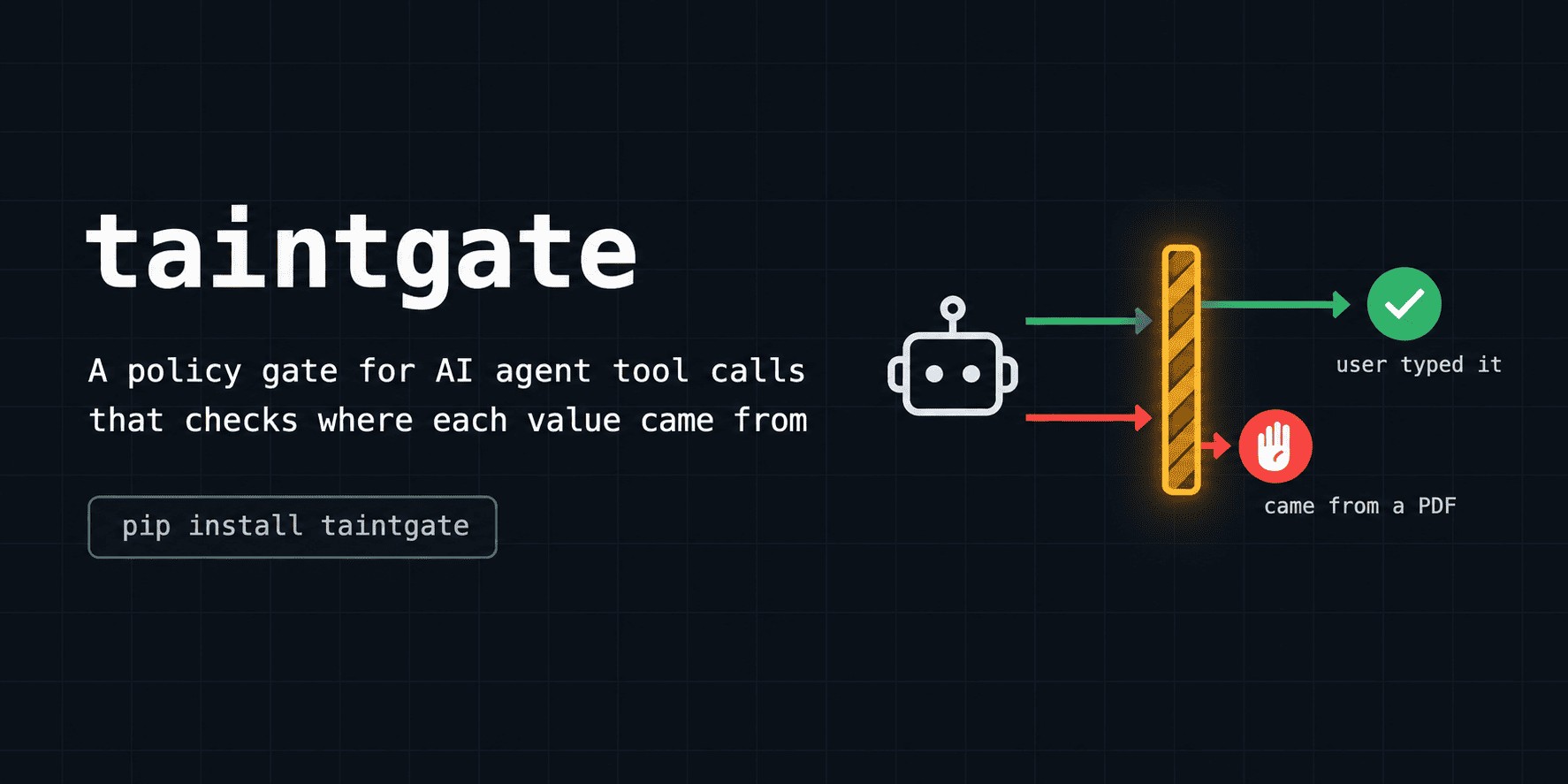
As artificial intelligence technologies rapidly evolve and integrate into various aspects of modern life, security concerns have taken center stage. Among the most pressing issues are prompt-injection attacks directed at AI agents, which pose significant risks to system integrity and data safety. Developers and researchers are constantly seeking reliable ways to identify and mitigate these vulnerabilities.
Open-source prompt-injection detectors have emerged as popular tools within the developer community for spotting malicious inputs and filtering out harmful requests. However, the tech community is actively debating whether these community-driven solutions are truly capable of catching sophisticated and realistic attacks deployed in real-world scenarios.
This topic recently sparked lively discussions on Hacker News, highlighting the ongoing arms race between AI security defenders and malicious actors. Experts point out that while open-source tools offer transparency and adaptability, attackers continuously refine their techniques, rendering simple detection methods insufficient against advanced threats.
For the tech ecosystem in Uzbekistan and the wider region, AI security is becoming a crucial factor as the adoption of intelligent systems accelerates. Understanding the limits of current open-source detection tools and staying informed about global security trends enables local developers to build more resilient and secure AI-driven applications.