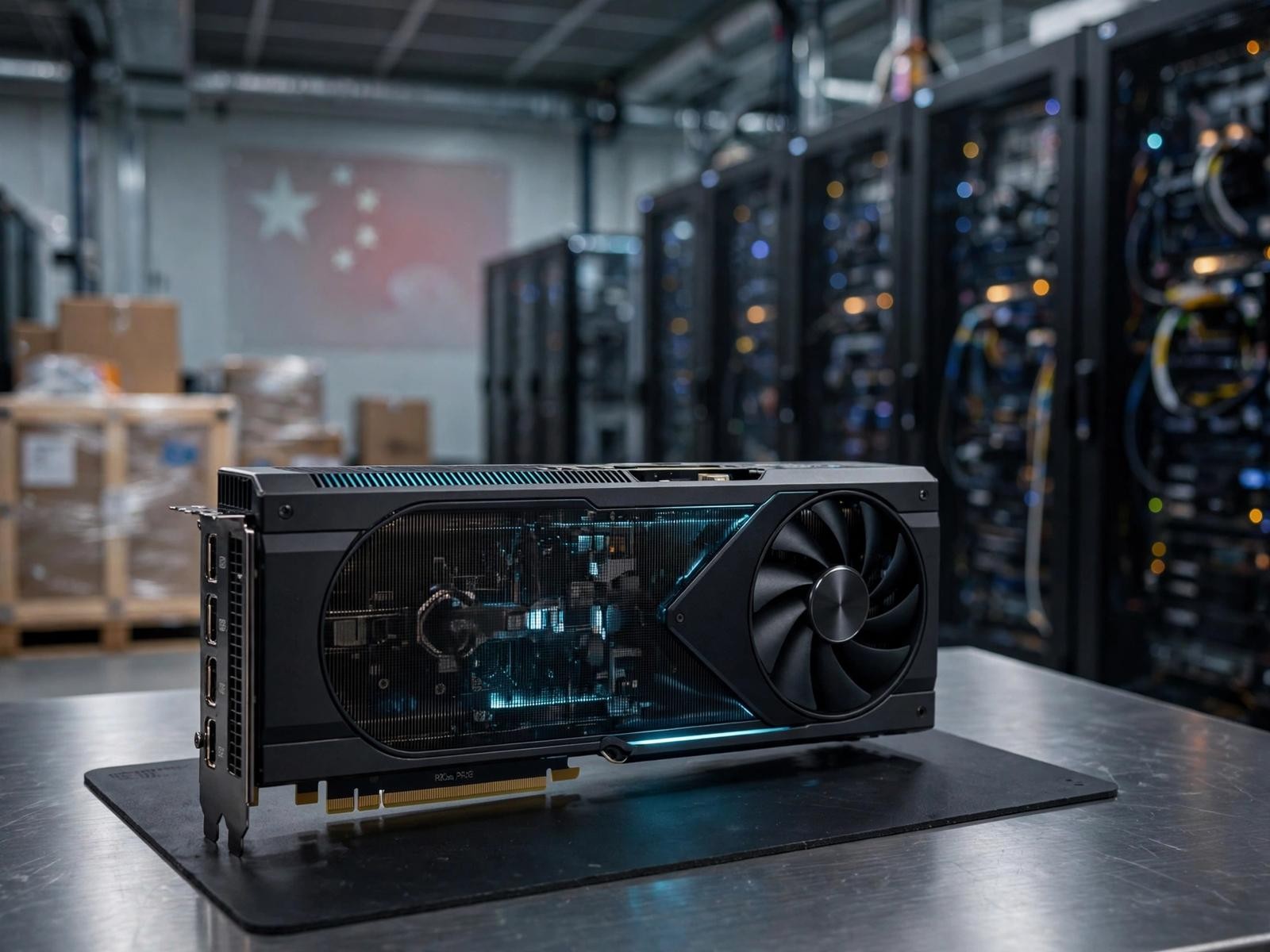
Nvidia aims to turn over 130 telecom buildings into micro data centers
Nvidia is reportedly in talks with Brightspeed to repurpose over 130 telecommunication facilities into compact data centers with up to 1GW capacity.
Internet and telecommunications provider Brightspeed is in talks with Nvidia to convert several of its properties into compact data centers. According to recent reports, Nvidia pitched the concept to executives at Apollo Global Management, proposing a distributed infrastructure approach.
- Nvidia is discussing the conversion of more than 130 Brightspeed facilities into micro data centers.
- The sites could collectively deliver up to 1 gigawatt of compute capacity for future AI workloads.
- Repurposing existing telecom assets aims to bypass community backlash and lengthy approval processes for brand-new data centers.
Infrastructure and Capacity Potential
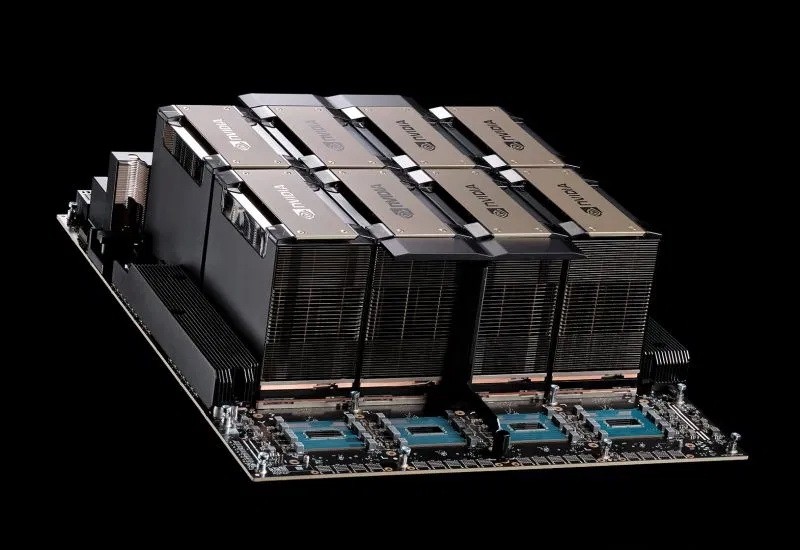
Brightspeed operates around 130 facilities across the United States that are already equipped with voice and data traffic handling capabilities, along with robust power infrastructure. Nvidia estimates that these locations could collectively yield approximately 1 gigawatt of compute capacity. This potential output could accommodate over 2,200 Supermicro Vera Rubin NVL72 racks, each packed with 72 Rubin GPUs and 36 Vera CPUs.
Despite having the necessary baseline power, the transition is not a simple plug-and-play operation. Nvidia would still need to deploy dedicated cooling systems and supporting architecture. While local government permits and approvals remain mandatory, utilizing existing buildings is expected to encounter significantly less bureaucratic resistance and public opposition compared to constructing facilities entirely from scratch.
Read alsoNvidia GPUs worth 11.4 million dollars stolen in a truck heist in the USApollo Global Management and Market Context
Apollo Global Management has previously committed heavily to AI infrastructure, participating in a major $40 billion agreement involving roughly 360,000 Vera Rubin GPUs spread across 5,000 NVL72 racks. Converting Brightspeed facilities could provide an immediate deployment avenue for the hardware already ordered by Apollo, bypassing the multi-year delays typically associated with standard data center development.
Public pushback against new data center construction has grown significantly across the U.S., with numerous local bans and moratoriums enacted following recent elections. These regulatory hurdles threaten to constrain future AI expansion, making the use of pre-existing commercial and telecommunications real estate an increasingly attractive alternative for major tech enterprises.
Building an Inference Network for AI Agents
While large, centralized homogeneous clusters remain optimal for initial AI model training, tech leaders like OpenAI and Anthropic have explored decentralized multi-site setups. Nvidia representatives have characterized these smaller interconnected sites as an inference network designed to efficiently run existing AI models.
This distributed approach is particularly crucial as autonomous AI agents, which consume five to ten times more tokens than standard human queries, continue to gain mainstream traction. Repurposing established telecom sites offers a pragmatic pathway to secure vital compute capacity without enduring years of development delays.
Source: Latest from Tom's Hardware