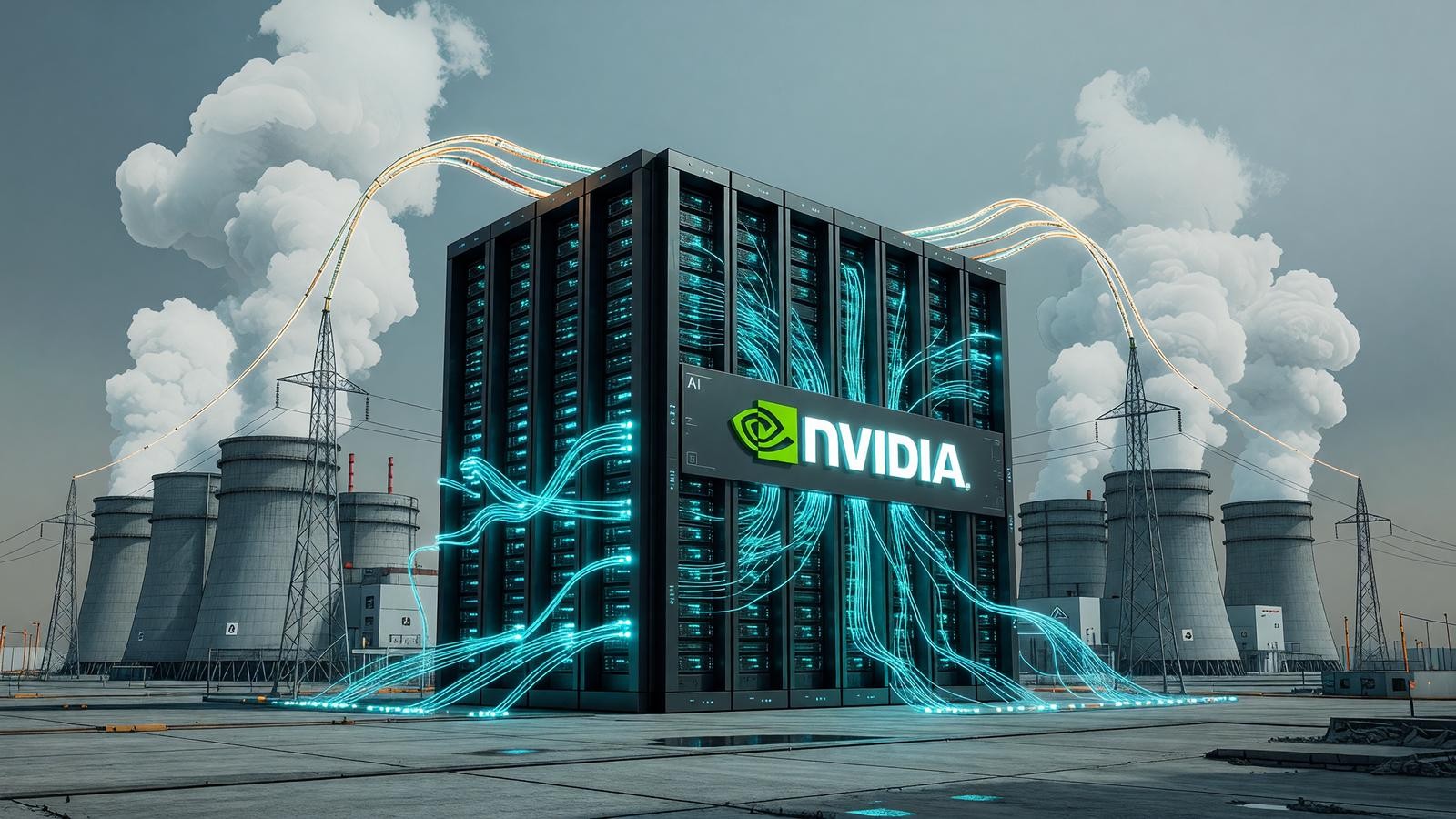
Nvidia plans to turn Brightspeed buildings into micro data centers
Nvidia is negotiating with Apollo Global Management to convert Brightspeed telecom buildings into small data centers providing about 1 GW of power.

Nvidia is currently in talks with telecommunications company Brightspeed to convert several of its facilities into small-scale data centers. The initiative aims to quickly scale up computing infrastructure across the United States.
- Nvidia approached Apollo Global Management, the parent company of Brightspeed.
- The combined sites could provide approximately 1 GW of computing power.
- This capacity will support over 2,200 Supermicro Vera Rubin NVL72 racks.
- The conversion approach is expected to be significantly cheaper and faster to approve than greenfield construction.
Project details and Apollo partnership
Nvidia has reached out to Apollo Global Management, which owns Brightspeed, regarding the adaptation of their telecom assets. Apollo currently owns roughly 130 buildings across the United States, a significant portion of which were originally designed in a way that allows them to be retrofitted into data centers without excessive renovation costs.
According to Nvidia's estimates, these combined locations could yield roughly 1 gigawatt of computing capacity. This power footprint would be sufficient to house more than 2,200 Supermicro Vera Rubin NVL72 server racks. However, the exact number of buildings slated for the initial rollout remains unclear.
Read alsoNvidia aims to turn over 130 telecom buildings into micro data centersCost efficiency and physical limitations
The primary advantage of converting existing telecom properties is the dramatic reduction in capital expenditure and faster regulatory approval processes. Building traditional hyperscale data centers from scratch typically faces severe delays due to zoning laws, permitting hurdles, and power grid constraints. Utilizing pre-existing commercial footprints bypasses many of these bottlenecks.
At the same time, industry analysts point out that these locations will remain relatively modest in size by modern standards. Consequently, they cannot fully replace massive hyper-scale data centers, but they offer a valuable decentralized expansion avenue.
Industry impact and context
With the booming demand for artificial intelligence straining current data center capacities and power grids, finding alternative real estate solutions has become critical. Nvidia's move to repurpose existing telecom infrastructure highlights a clever strategy to bypass traditional infrastructure deployment delays in the tech sector.
Source: iXBT.com