Tesla ramps Optimus production to hundreds a week, but generalization remains a hurdle
Tesla has significantly increased production of its Optimus humanoid robots at Fremont, though generalization and reliability issues continue to limit their utility.
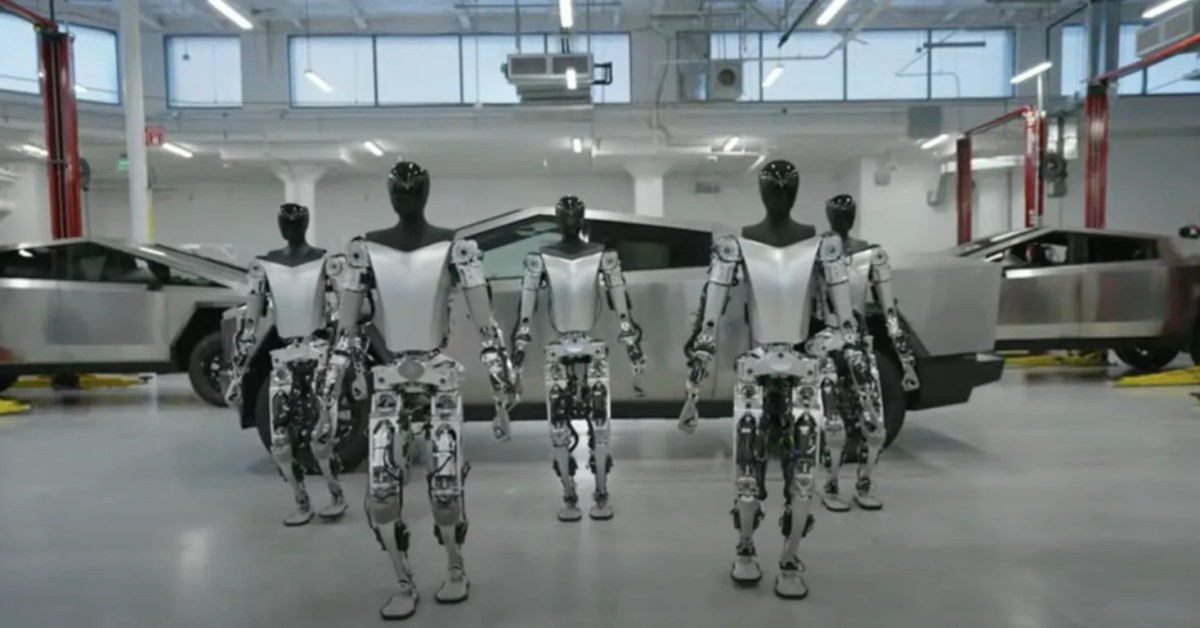
Tesla is rapidly scaling up the production of its Optimus humanoid robots at its Fremont facility. According to a new report, the company is now building several hundred units per week, marking an approximate tenfold increase compared to its output in the second quarter.
Despite this impressive volume growth, the robots coming off the assembly line still struggle with generalized tasks. This lack of adaptability across different and unpredictable scenarios severely limits their overall usefulness in practical applications.
The report highlights several critical manufacturing hurdles, including fragile robot hands, misaligned parts on the assembly line, and suppliers failing to maintain consistent quality at volume. Industry experts note that generalization and reliability are the two make-or-break factors for whether humanoid robots can become commercially viable.
As the robotics industry continues to evolve, Tesla's scaling efforts offer valuable insights into the complexities of mass-producing advanced AI-driven hardware. Solving these engineering challenges will be crucial for the broader adoption of humanoid technology worldwide.