Tesla Optimus robot cost to drop to 20,000 dollars for rentals
Elon Musk announced plans to lower Tesla Optimus robot production costs to 20,000 dollars and offer them for rent instead of selling.
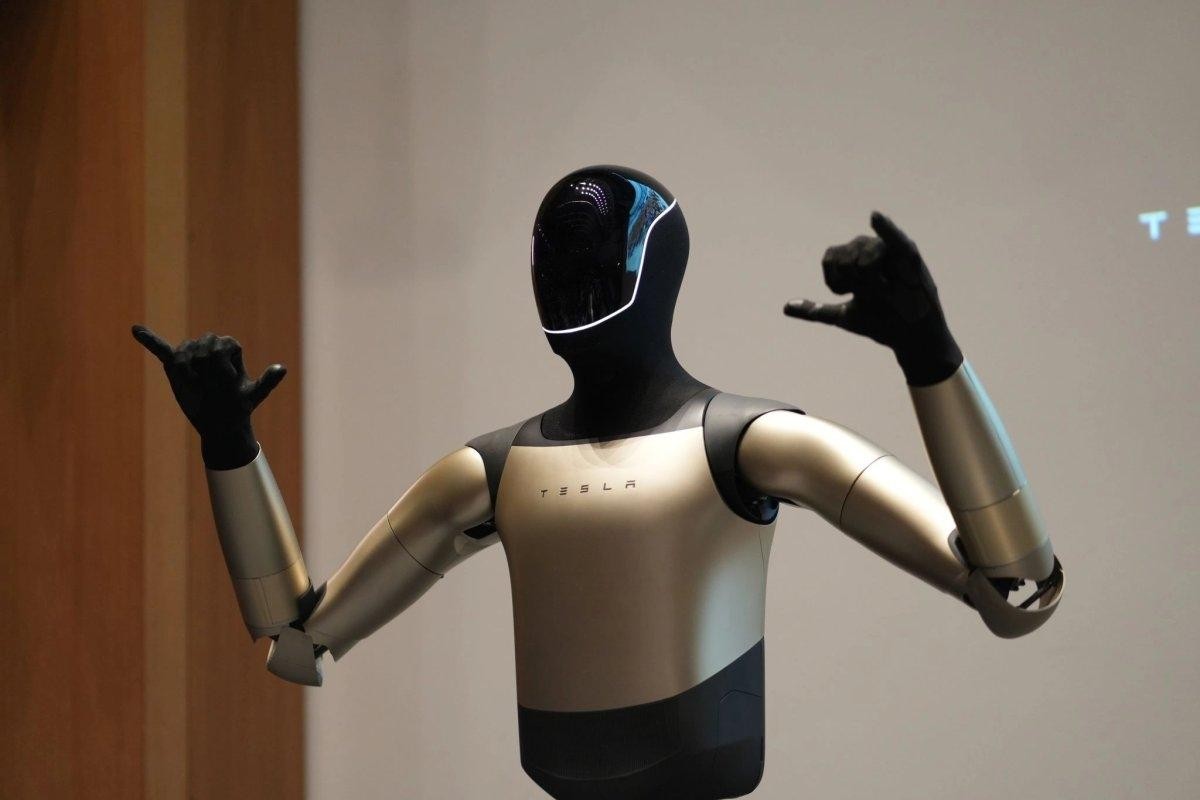
Tesla plans to lease its humanoid robots Optimus to customers rather than selling them outright, according to company statements. Elon Musk shared details regarding the production economics and deployment strategy for the humanoid robot project.
- The production cost of a single robot is planned to decrease from 30,000 dollars to about 20,000 dollars.
- The productivity of Optimus is claimed to be five times higher than that of an average human.
- Manufacturing has started at the Fremont factory with a target capacity of 1 million units per year.
Production at the Fremont facility
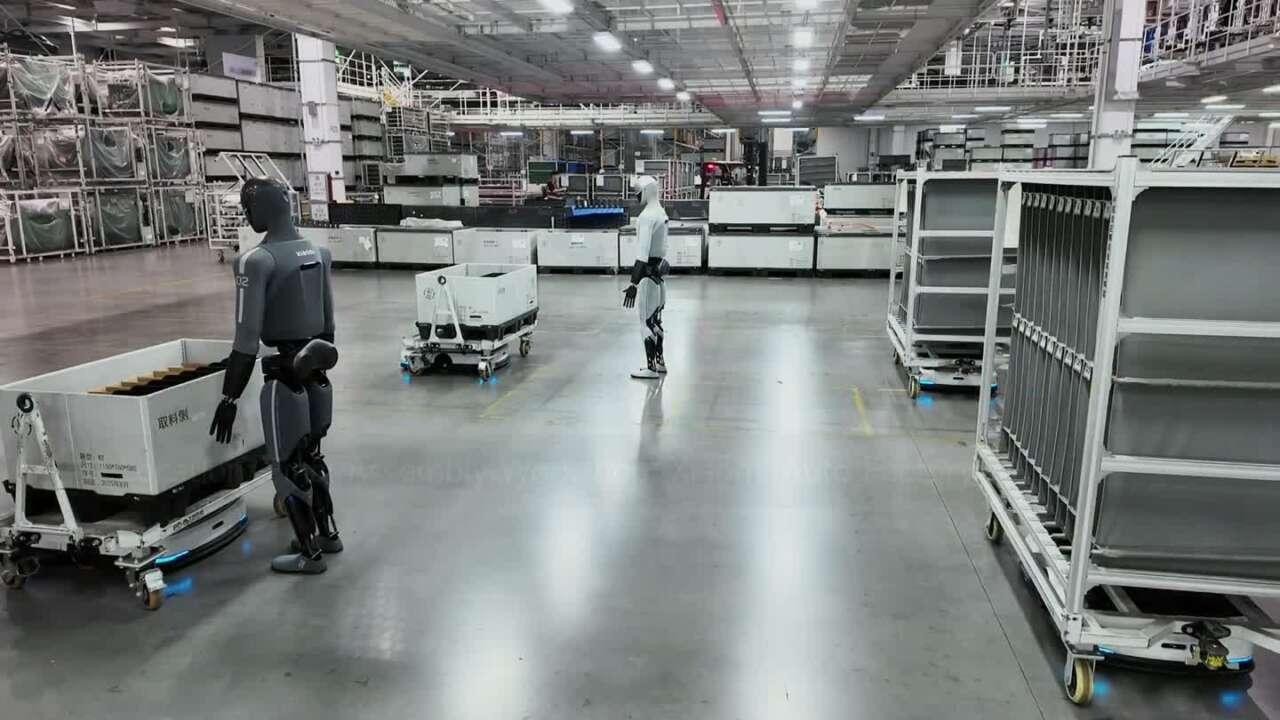
In October, Tesla officially initiated the production of Optimus robots at its facility in Fremont. The company utilized manufacturing floor space that became vacant following the dismantling of older Model S and Model X assembly lines.
The projected capacity of this enterprise is set to reach 1 million robots annually, translating to approximately 20,000 units per week. However, achieving these massive manufacturing volumes will require at least a full year of scaling.
Read alsoElon Musk claims humanoid robots will be five times more efficient than humansRental model and delivery timeline
Instead of a direct purchase model, Tesla intends to rent out the robots to interested parties. Initially, the manufactured units will be deployed primarily within Tesla's own factories to test and optimize performance.
Commercial deliveries to external corporate customers are currently expected to begin around the end of 2027. Furthermore, a next-generation Optimus equipped with the AI5 chip could potentially debut as early as April 2027.
What this means for the industry
Shifting towards a rental model and reducing production costs to 20,000 dollars makes advanced automation significantly more accessible for businesses. This approach lowers the financial barrier to entry and could accelerate industrial adoption on a global scale.
Source: iXBT.com