Elon Musk claims humanoid robots will be five times more efficient than humans
Elon Musk states humanoid robots will be five times more productive than humans by working 24/7. 30 million units could match the US workforce.
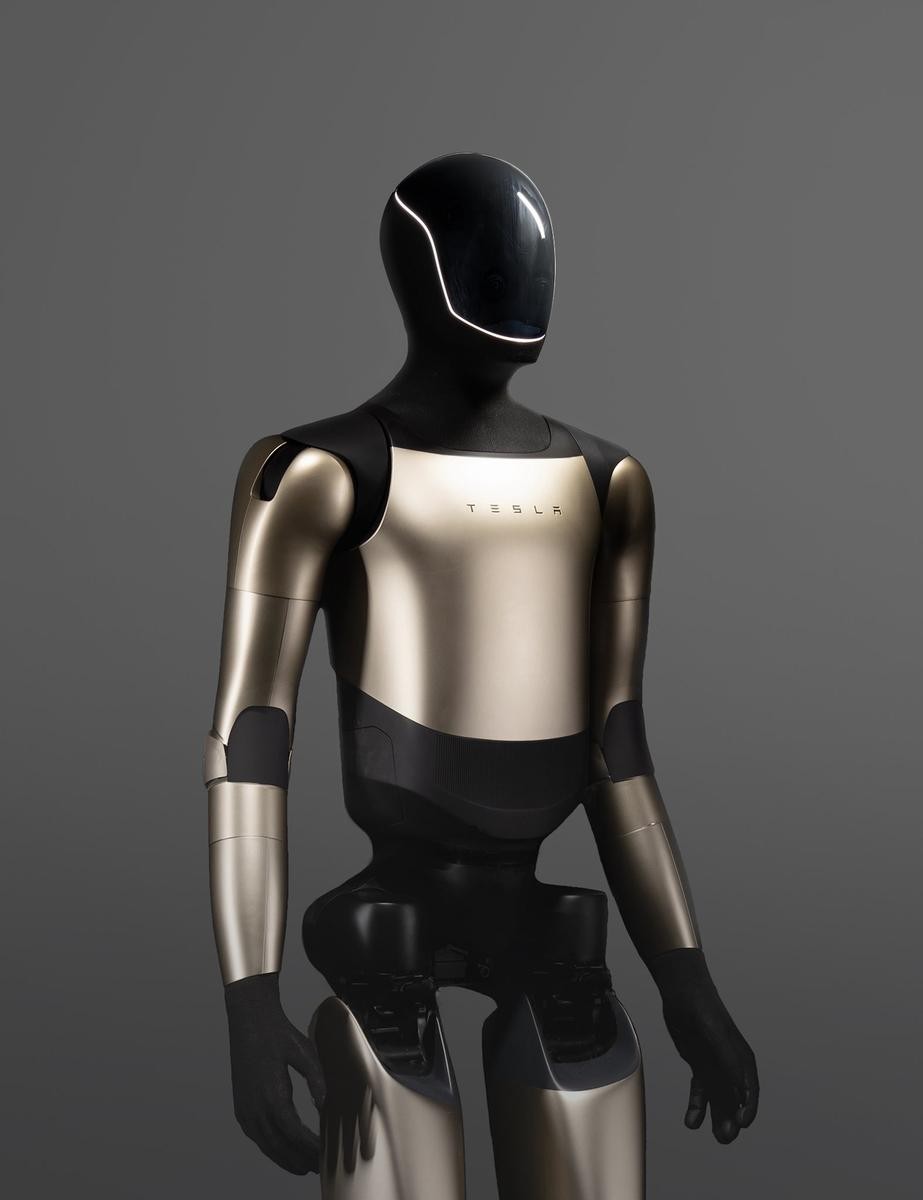
SpaceX founder and Tesla CEO Elon Musk believes that humanoid robots will eventually achieve a productivity level roughly five times higher than that of humans. According to the entrepreneur, this massive advantage will stem from the machines' ability to operate around the clock, seven days a week, without taking vacations or coffee breaks. The visionary shared these insights during a recent interview with American investor Ron Baron.
- Elon Musk predicts that humanoid robots will be on average five times more productive than human workers.
- The key performance driver is the ability to run 24/7 without holidays, bathroom breaks, or lunch hours.
- Only 20 to 30 million machines would be sufficient to match the total goods and services output of the entire US economy.
Operating around the clock without breaks
Detailing the mechanics behind this forecast, Musk pointed out that average human workers are limited by weekly hours, sleep schedules, and mandatory rest periods. In contrast, a robot functioning 168 hours a week without stopping eliminates downtime entirely. Because an android does not need to take vacations, eat lunch, or take personal breaks, its cumulative weekly output scales dramatically.
Tesla, which develops the Optimus humanoid robot, is positioning itself at the forefront of this industrial shift. Deploying autonomous mechanical labor into factories and supply chains could fundamentally rewrite manufacturing economics, lowering production costs and reshaping global commerce.
Read alsoSpaceX aims to reduce orbit payload delivery costs to $100 per kilogramReplacing the scale of the US economy
Musk also evaluated the sheer quantity of robots required to match the total economic output of the United States. Based on his projections, roughly 20 to 30 million units would suffice to replicate the entire volume of goods and services produced in the country. He explained that this relatively low number is due to a large portion of the human population being retired, studying, or engaged in non-industrial activities.
While scaling humanoid robotics to millions of units presents immense engineering and logistical hurdles, the vision outlines a profound transformation for automated systems. Companies investing in artificial intelligence and robotics are watching these developments closely to prepare for the next generation of automation.
What this means for business and labor markets
The prospect of fivefold operational efficiency brings both massive opportunities for enterprises and complex questions for the global labor market. While businesses stand to gain unprecedented cost reductions and output scaling, workforce displacement and retraining will become critical challenges. For tech investors and developers, Musk's assessment highlights the long-term economic imperative driving humanoid robotics forward.
Source: iXBT.com