
Developer ports 1993 Amiga game to Godot using an LLM for assembly
An enthusiast used a large language model to help read and translate vintage 68000 assembly code for a classic Amiga game into the Godot engine.
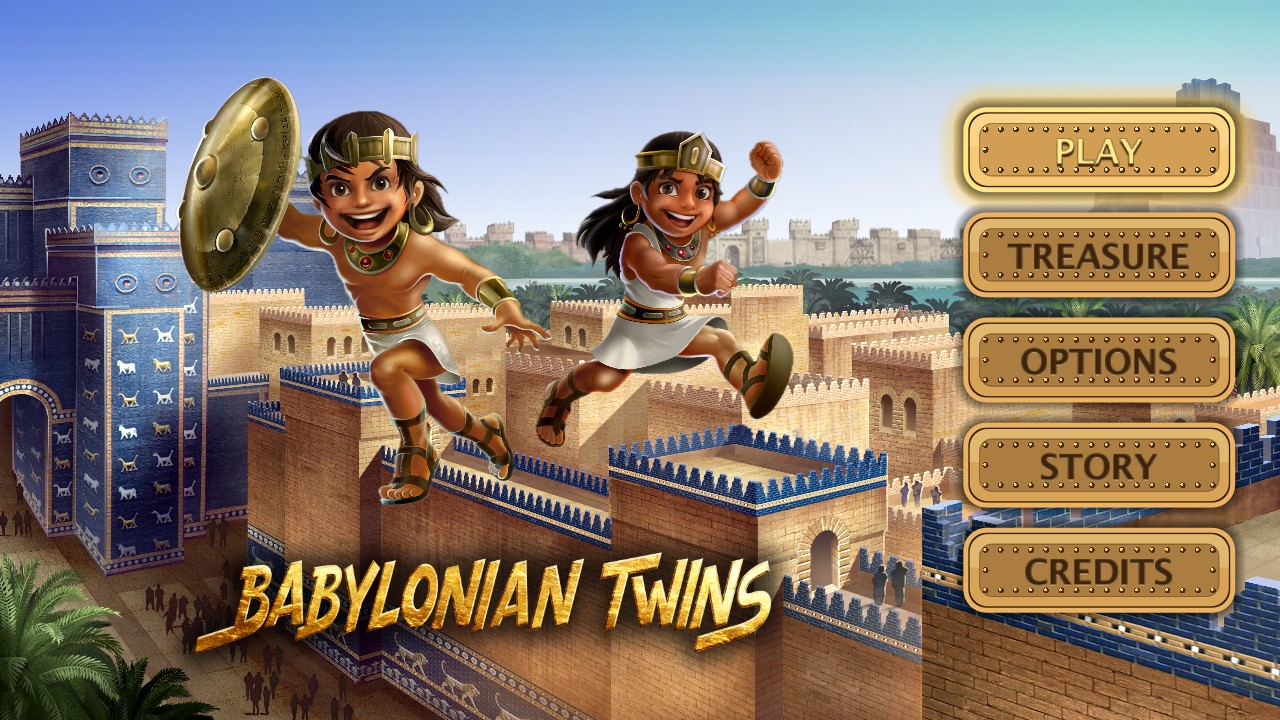
Porting classic retro games to modern platforms has always been a challenging task that requires deep technical knowledge and a significant amount of time. Recently, a developer tackled this challenge by porting a 1993 Amiga game to the modern Godot game engine. What makes this project stand out is the use of a large language model (LLM) to assist in reading and understanding the original 68000 assembly code.
The Motorola 68000 assembly code used in 90s Amiga development is notoriously difficult to read and maintain by today's standards. The AI model helped analyze the complex logic of the legacy software, making it easier to translate and adapt the game's mechanics into a contemporary development environment. This experiment highlights how artificial intelligence can aid in retro engineering and legacy code comprehension.
Choosing the Godot engine for this port makes sense given its lightweight nature, open-source philosophy, and growing adoption within the indie development community. Bringing a vintage project to Godot breathes new life into classic titles while demonstrating the practical intersection of retro computing and modern AI tools.
Such projects spark significant interest in the tech community as developers constantly look for better ways to maintain and migrate legacy software. As AI models become more adept at parsing rare and older programming languages, the preservation and revival of historical digital projects become increasingly feasible.
For software engineers and tech enthusiasts, this experiment serves as an inspiring example of applying creative problem-solving and modern AI assistance to unconventional coding challenges.