Orbital Matter and EnduroSat to 3D print solar panel supports in space
Orbital Matter and EnduroSat will conduct a 2028 mission to 3D print five-meter solar array supports directly in orbit.
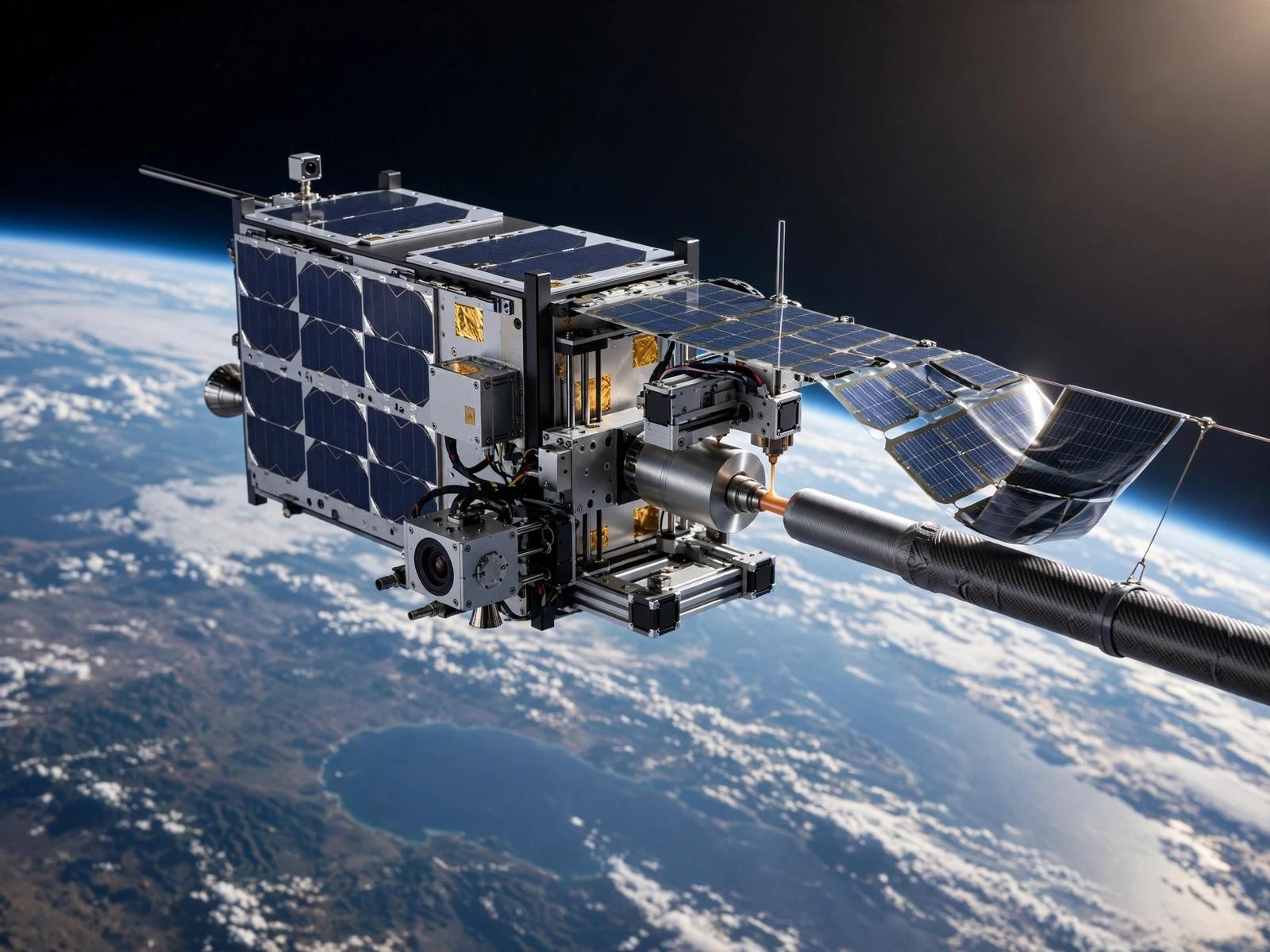
Companies Orbital Matter and EnduroSat have announced a joint space mission for 2028 to manufacture a 5 kW solar array support structure using 3D printing directly in orbit. Instead of folding massive panels and supports to fit inside a launch vehicle, the technology allows structural load-bearing elements to be produced right in space.
Project highlights: - The joint mission by Orbital Matter and EnduroSat is scheduled for 2028. - Plans include 3D printing rigid supports for a solar panel measuring about 5 meters with a 5 kW capacity. - The method eliminates the need to transport bulky foldable frameworks inside rockets. - Future scaling aims to power orbital data centers requiring over 100 kW of energy.
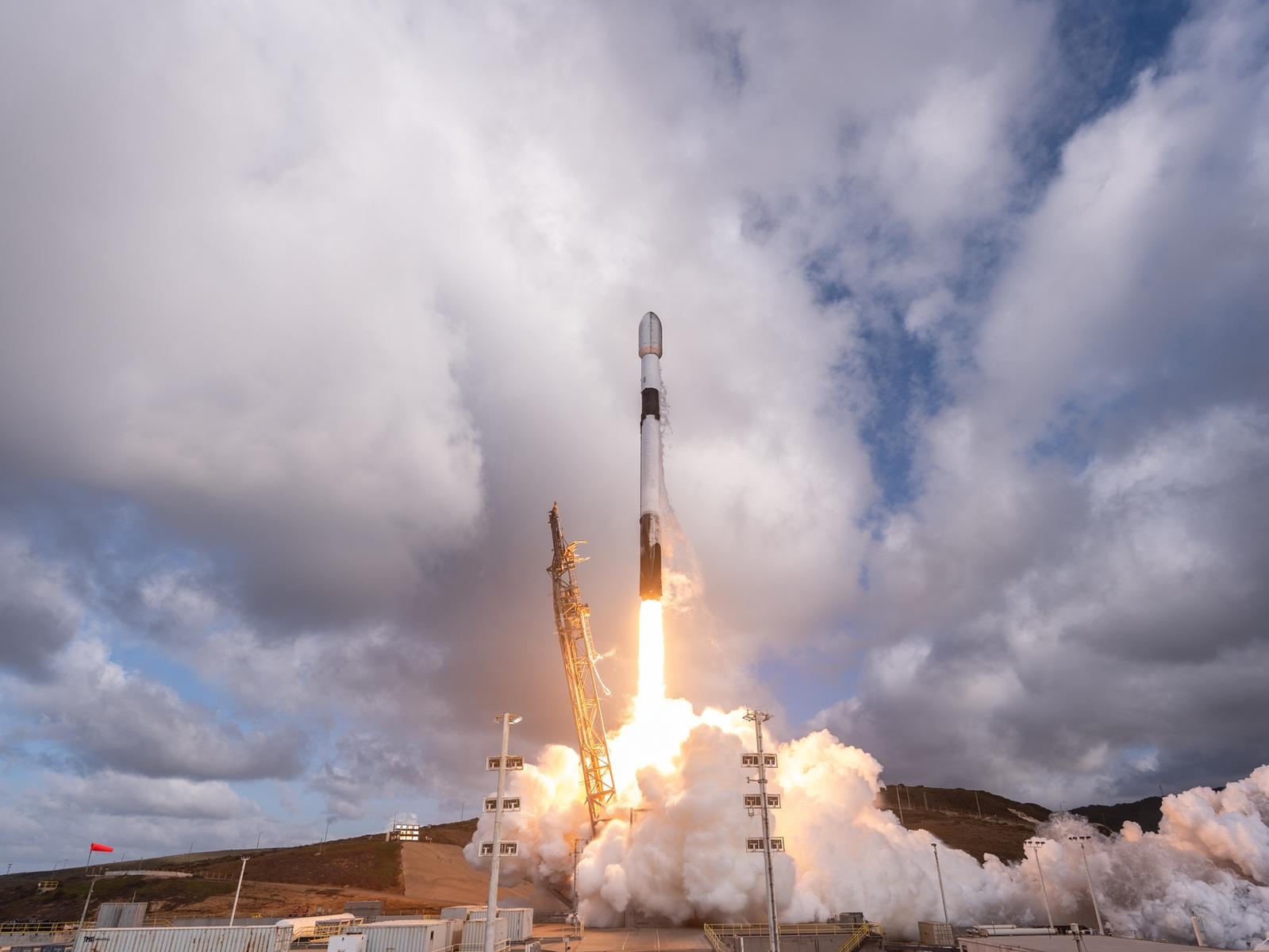
Testing the Replicator 2 technology The upcoming mission will build on the orbital testing of Orbital Matter's technology. In July, the company launched the Replicator 2 spacecraft aboard a Falcon 9 rocket during the SpaceX Transporter-17 mission. The craft carried four specialized printers using a liquid polymer material applied to a rotating cylinder and cured under ultraviolet light to form a rigid beam supporting a flexible silicon solar panel. An initial printing attempt in August failed due to gaps forming between material layers, preventing the structure from gaining sufficient strength. Following two months of ground testing and printer software updates, Orbital Matter successfully produced a seamless 32.5 cm structure and partially deployed a solar array using the printed support.
Scaling up for orbital data centers For the 2028 mission, the companies plan to significantly scale up the experiment. Orbital Matter's printers are expected to fabricate rigid solar array supports about 5 meters long with a 5 kW power rating. Orbital Matter CTO Robert Ihnatisin noted that testing such a structure on orbit is a crucial milestone for the team. A primary application for this technology is orbital data centers. Running heavy computational equipment, including artificial intelligence systems, will demand immense power supplies. EnduroSat CTO Viktor Danchev stated that such facilities could require solar arrays yielding hundreds of kilowatts per satellite, with future designs aiming past 100 kW.
Future outlook and extraterrestrial manufacturing Looking ahead, Orbital Matter intends to leverage its technology for printing other large-scale structures directly in space, including infrastructure elements on the Moon and Mars. The startup is currently securing funding to expand its compact team of just seven employees and build a new manufacturing facility to produce additional printers.
The development points toward a paradigm shift where space infrastructure is built on-site rather than launched from Earth. For the aerospace industry, orbital additive manufacturing promises unprecedented autonomy in deploying large energy grids and research facilities across the solar system.
Source: iXBT.com